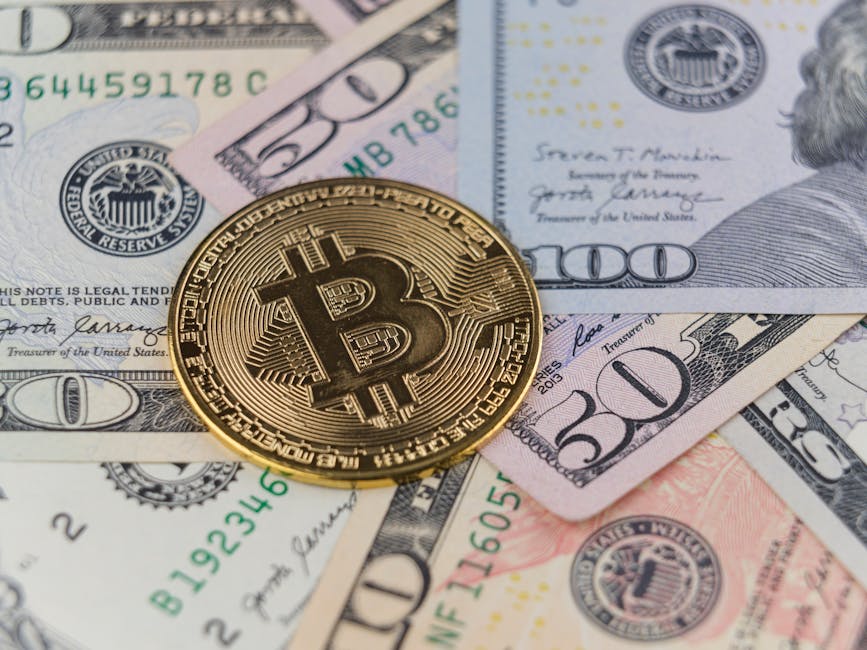
Bitcoin staged a sharp rally above $65,000 as news of a diplomatic breakthrough between the United States and Iran swept through markets, reversing weeks of selling pressure. With JD Vance signaling potential release of the agreement text before Friday, traders are now weighing the implications for oil, geopolitics, and the Federal Reserve's next move.
What to know
- Bitcoin climbed more than 3% to reach an intraday high of $65,940, before settling near $64,000.
- The rally followed reports of a sudden diplomatic breakthrough between the US and Iran, easing a major geopolitical risk.
- JD Vance, a key political figure, stated that Israel is expected to support the agreement despite existing differences.
- The potential release of the full Iran agreement text could come before Friday, according to Vance.
- Analysts suggest the deal could lower oil prices by reopening shipping lanes in the Strait of Hormuz and reduce global inflation pressures.
- Traders are also eyeing the upcoming Federal Reserve meeting under new chair Warsh, which could determine whether the rally sustains.
The Market Reaction
Bitcoin’s jump above $65,000 was swift and decisive. After weeks of decline driven by uncertainty around US-Iran tensions and their impact on global energy markets, the cryptocurrency finally caught a bid. The move was amplified by the sudden nature of the diplomatic announcement — an agreement that many had considered unlikely in the near term.
The price action saw Bitcoin surge from the $62,000 level to a high of $65,940 within hours. However, profit-taking quickly emerged, pulling the asset back to around $64,000 by the time of writing. The rapid reversal underscores the lingering caution among traders, who remain skeptical of a sustained breakout without confirmation of the deal's terms.
The market is pricing in a de-escalation premium, but the details matter. If the agreement text shows concrete concessions, we could see further upside.
The Anatomy of the Rally
Bitcoin’s price movement was not isolated. The altcoin market also saw a lift, but Bitcoin led the charge. The surge above $65,000 recaptured a key psychological level that had been lost during the selloff. Traders noted that the rally was accompanied by increasing open interest and volume on exchanges, suggesting genuine buying rather than mere short covering.
The sudden nature of the news — a diplomatic breakthrough that was not widely anticipated — caught many by surprise. This is reflected in the rapid price adjustment and subsequent pullback as the market digests the implications.
The Iran Deal and Geopolitical Reset
The diplomatic thaw between the United States and Iran represents a significant shift in Middle Eastern geopolitics. For months, tensions in the region had kept oil prices elevated and risk assets under pressure. A formal agreement would not only reduce the risk of conflict but also potentially restore normal shipping through the Strait of Hormuz, a critical chokepoint for global oil supplies.
Lower oil prices would have a cascading effect: reduced inflation, easier monetary policy, and improved risk appetite for assets like Bitcoin. The US-Iran agreement could also reshape alliances in the region, with Israel playing a key role as a U.S. ally.
Israel’s Role and JD Vance’s Statement
JD Vance, a prominent figure in the current administration, has publicly stated that Israel is expected to support the US-Iran agreement despite previous differences. This is a crucial signal, as Israel has historically been one of the strongest opponents of any deal with Iran. Vance's comments suggest that the agreement includes provisions addressing Israel's security concerns, potentially allowing for a unified front.
The potential release of the Iran agreement text before Friday could significantly impact geopolitical stability and influence global markets and diplomacy.
Oil Markets and Macro Implications
One of the most immediate impacts of the Iran deal would be on oil prices. The reopening of the Strait of Hormuz, which had been threatened by Iranian naval posturing, would increase supply and likely drive crude prices lower. Lower oil prices would reduce global inflationary pressures, giving central banks more room to ease policy.
For Bitcoin, this macro backdrop is historically bullish. The cryptocurrency has often performed well in periods of monetary expansion and geopolitical calm. However, the relationship is not mechanical — Bitcoin also faces headwinds from regulatory scrutiny and competition from traditional safe havens.
The Fed Factor
While the Iran deal is the primary catalyst for the current rally, traders are also watching the Federal Reserve’s first meeting under new chair Warsh. The meeting, scheduled for later this week, could introduce a new policy direction. If the Fed signals a dovish tilt aided by lower inflation expectations from falling oil prices, risk assets could get a further boost.
Conversely, if the Fed remains hawkish despite the deal, the rally may stall. The interplay between geopolitics and monetary policy is now the central theme for markets.
Looking Ahead
The next few days will be critical. The release of the Iran agreement text — potentially before Friday — will provide clarity on the deal's scope and Israel's concessions. If the market likes what it sees, Bitcoin could test the $70,000 level. If the text reveals loopholes or unresolved issues, the sell-off could resume.
For now, the market is cautiously optimistic. The combination of a geopolitical reset and potential Fed dovishness creates a rare tailwind for Bitcoin. But as always, the devil is in the details.