A series of rapid escalations in the Middle East has pushed the region to the brink. From a provocative nuclear facility visit to the re-imposition of naval blockades, the path to diplomacy appears closed.
What to know
- Netanyahu visited a nuclear facility, signaling potential military confrontation with Iran.
- The US has escalated military posturing through Operation Epic Fury strikes.
- The Hormuz blockade has been reinforced, affecting global shipping.
- A ceasefire collapsed, leading to reinstated naval blockades.
- Rising tensions reduce chances for a US-Iran nuclear deal.
- Global oil markets face instability due to Hormuz disruptions.
The Nuclear Signal
Israeli Prime Minister Netanyahu’s visit to a nuclear facility is a direct signal of potential escalation between Israel and Iran. While the visit itself is a show of readiness, it underscores the growing likelihood of a military confrontation that could draw in regional powers. This move comes at a moment when diplomatic channels between the US and Iran are already under severe strain, and any additional military posturing from Israel may further erode prospects for a negotiated settlement.
The timing of the visit is critical. Just days earlier, the fragile ceasefire that had temporarily stabilized oil markets collapsed, and the US reinstated its naval blockade in the Strait of Hormuz. Netanyahu’s decision to highlight nuclear capabilities appears designed to send a clear message to Tehran and Washington alike: Israel will not stand idly by as the situation deteriorates.
Hormuz Blockade Escalation
The Hormuz blockade is the linchpin of the current crisis. After the ceasefire fell apart, US forces moved aggressively to enforce the blockade, disabling a non-compliant tanker. This action has direct consequences for global maritime security and trade routes, as a significant portion of the world’s oil supply passes through the strait. The enforcement operation signals that the US is prepared to use force to maintain the blockade, raising the stakes for any attempt to breach it.
The escalation in blockade enforcement also threatens regional stability. Gulf states and shipping companies are now forced to navigate a volatile security environment, with increased risk of accidental collisions, military miscalculations, or deliberate attacks. The economic impact is already being felt in oil markets, where prices have become more volatile as traders price in the possibility of extended disruption.
Operation Epic Fury Strikes
Operation Epic Fury has emerged as the US military’s primary response to the breakdown in diplomacy. The strikes target Iranian assets and infrastructure, but their broader aim is to pressure Tehran into returning to negotiations. However, the operation has so far only heightened tensions, with each strike making diplomatic resolution more distant.
The strikes are a double-edged sword. On one hand, they demonstrate the US’s willingness to use force to protect its interests and those of its allies. On the other, they risk provoking a wider conflict that could spiral beyond the Hormuz strait. The operation has already drawn criticism from international bodies concerned about regional escalation, but the US shows no signs of backing down.
Diplomatic Fallout
Each of these developments—Netanyahu’s visit, Hormuz blockade enforcement, and Operation Epic Fury strikes—undermines the already fragile diplomatic process. The likelihood of a US-Iran nuclear deal is now lower than at any point in recent memory. Iran views these actions as a casus belli, while the US insists it is defending freedom of navigation and regional allies.
The collapse of diplomacy has broader implications. Without a deal, Iran may accelerate its nuclear program, while Israel may feel compelled to strike preemptively. The US finds itself caught between supporting Israel and seeking a negotiated outcome that limits Iran’s nuclear ambitions. This three-way tension is the defining feature of the current crisis.
Oil Markets Under Pressure
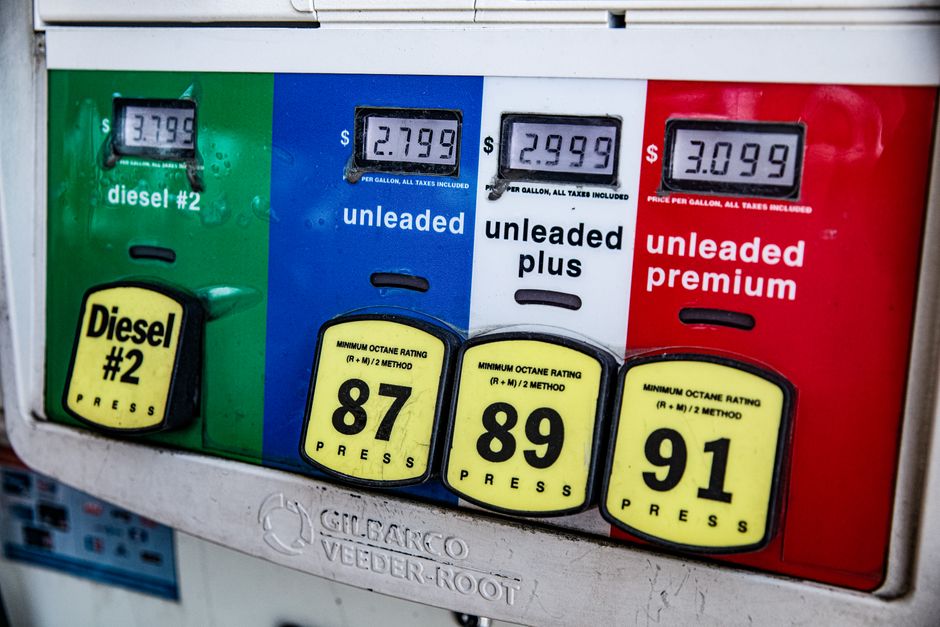
Global oil markets are the most immediate and visible casualty of the escalating tensions. The Hormuz blockade disrupts supply chains, and the uncertainty surrounding the conflict has led to erratic price swings. Past periods of instability in the region have shown that oil prices can spike dramatically, with knock-on effects on inflation, central bank policy, and economic growth worldwide.
The market is already pricing in a risk premium, but the situation remains fluid. If the Hormuz blockade continues or expands, oil prices could rise further, hurting consumers and businesses already struggling with high energy costs. The US and its allies have strategic petroleum reserves to draw on, but these are finite and themselves subject to market forces.
Looking Ahead
The path forward is fraught with risk. The US may intensify Operation Epic Fury or seek to open a new diplomatic channel. Israel could launch a preemptive strike against Iran’s nuclear facilities. Iran may respond with asymmetric attacks or attempts to break the blockade. Any of these scenarios would deepen the crisis.
For global oil markets, the short-term outlook is one of continued volatility. Traders will watch for any signs of de-escalation or, conversely, further military action. The diplomatic window is narrowing, and unless both sides show restraint, the region could face a conflict with far-reaching consequences.
What remains clear is that Netanyahu’s nuclear facility visit was not an isolated event, but part of a strategic escalation that has already reshaped the geopolitical landscape. The next moves by US, Iran, and Israel will determine whether the crisis deepens or gives way to a fragile peace.