American consumers have never been more pessimistic. The University of Michigan’s benchmark sentiment index has plunged to an all-time low of 44.8, driven by war-driven inflation that is eroding household budgets and reshaping economic expectations.
What to know
- The University of Michigan consumer sentiment index hit a record low of 44.8, the weakest reading in the survey’s history.
- The index dropped 21% since February, a steep decline tied directly to war-driven inflation.
- Record-low sentiment signals profound economic stress among U.S. households, with spending power severely constrained.
- Consumer spending is expected to contract, threatening key sectors such as retail, travel, and leisure.
- The Federal Reserve‘s inflation policy may come under renewed scrutiny as economic weakness deepens.
- Appetite for risk assets is shrinking as households prioritize essential spending over investments.
- Socio-economic disparities are likely to widen, with lower-income groups absorbing the greatest blow from rising costs.
The Anatomy of a Record Low
The University of Michigan’s consumer sentiment survey has long been a bellwether for the American economic psyche. Its latest reading of 44.8 is not just a number—it is a statement.
The index has fallen 21% since February, a collapse that dwarfs many previous downturns. The primary culprit: war-driven inflation that has forced households to stretch every dollar.
This level of pessimism has not been seen in decades. It reflects a consumer base that is acutely aware of rising prices for essentials—food, energy, housing—and increasingly anxious about the future. The survey measures both current conditions and future expectations; both components are in freefall.
For economists, the 44.8 reading is a flashing red warning light. Consumer sentiment is a leading indicator of spending behavior, and when confidence evaporates, so does the willingness to make big-ticket purchases, travel, or invest.
Inflation’s Grip on the Household Budget
War-driven inflation is the engine behind this sentiment collapse. While the Trend does not specify which conflict, the impact is clear: prices for everyday goods have risen sharply, and wage growth has not kept pace.
“Record-low consumer sentiment may dampen spending, impacting GDP growth and potentially influencing Federal Reserve’s inflation policy,” one analysis noted.
The link between inflation and consumer sentiment is well established. When people pay more for gas and groceries, they feel poorer. That feeling shows up in the Michigan index. The drop from February to May indicates that the situation has worsened rapidly, likely as the effects of the conflict intensified supply chains and commodity markets.
Households are responding by cutting back on discretionary spending. Retailers and travel companies are bracing for a pullback, and early signs of weakening demand are already appearing.
Spending, Growth, and the Fed
The real-world consequences of a 44.8 sentiment score are stark. Consumer spending accounts for roughly 70% of U.S. GDP. When confidence plunges, spending follows, dragging down economic growth.
A sustained drop in consumer confidence could hinder U.S. economic growth, threatening sectors like retail and travel, and signaling a potential economic slowdown.
The Federal Reserve now faces a delicate balancing act. If inflation remains elevated, the Fed may be forced to maintain or even tighten policy, further squeezing households. But if consumer weakness deepens, the central bank could come under pressure to pivot toward easing—even if inflation has not fully subsided.
The Trend’s sources emphasize that the record-low sentiment may influence the Fed’s inflation policy directly. This puts the central bank in a difficult position: act against inflation and risk deepening the downturn, or support growth and risk letting prices run.
Markets in the Crosshairs
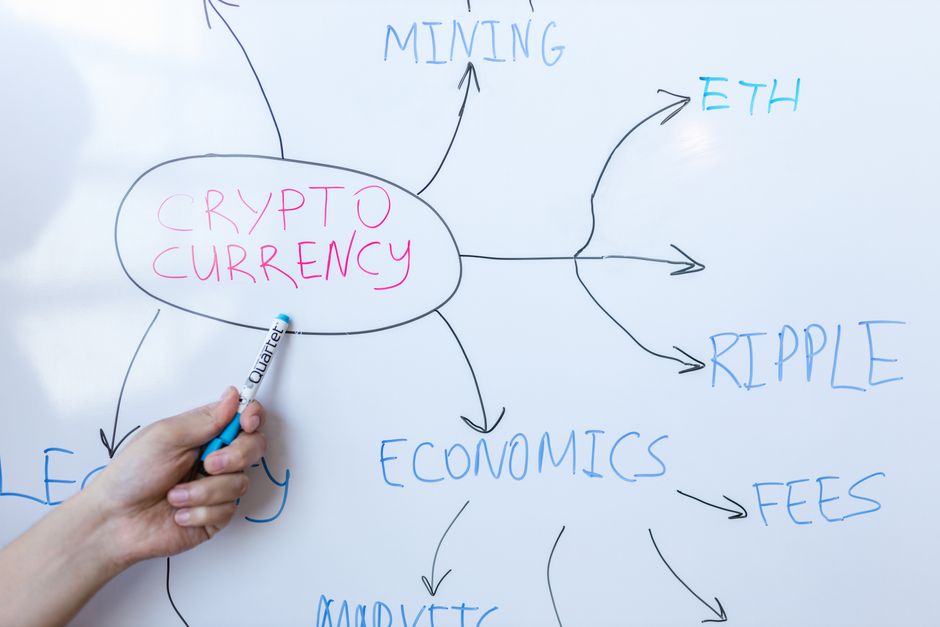
Risk assets are feeling the heat. A consumer base that is cutting spending is also less likely to allocate funds to stocks, crypto, or other speculative investments.
Record-low consumer sentiment signals economic stress, pressuring spending and reducing appetite for risk assets, impacting broader markets.
This rotation away from risk has implications across asset classes. Equities could face headwinds as earnings expectations are revised lower. Crypto markets, which rely on retail participation and speculative capital, are particularly vulnerable in such an environment.
The sentiment index is not just a measure of feelings—it is a predictor of behavior. And the behavior now points to risk-off positioning across the board.
The Unequal Toll
Perhaps the most troubling consequence of this sentiment collapse is its unequal distribution. Lower-income households, which spend a larger share of their income on essentials, are hit hardest by inflation.
Record-low consumer sentiment may signal prolonged economic challenges, impacting spending and widening socio-economic disparities.
Wealthier households have more buffer—savings, investments, and the ability to absorb price shocks. But for millions of Americans living paycheck to paycheck, the combination of high inflation and dwindling confidence is a one-two punch that can lead to missed rent payments, reduced nutrition, and increased financial stress.
These disparities are likely to deepen if the economic environment does not improve. Policy responses—whether from the Federal Reserve or Congress—will need to consider the uneven impact of both inflation and sentiment collapse.
Looking Ahead
The University of Michigan’s record-low reading of 44.8 is a watershed moment for the U.S. economy. It encapsulates the pain of households grappling with war-driven inflation, the uncertainty of future policy, and the fragility of growth.
Looking forward, several key questions remain. Will inflation ease enough to restore confidence? Can the Federal Reserve navigate between price stability and economic support? And will the damage be temporary or structural?
What is clear is that American consumers are signaling distress at unprecedented levels. Policymakers, businesses, and investors should heed the warning. The road ahead is likely to be rocky, with spending constrained, risk appetite diminished, and the gap between haves and have-nots growing wider.
The record low is not just a statistic—it is a snapshot of a nation under economic siege.