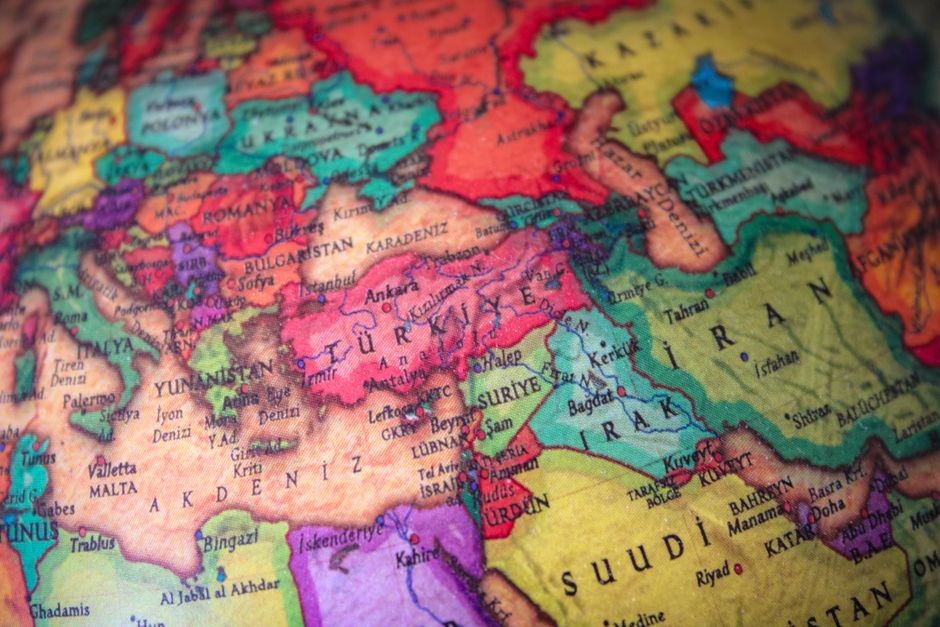
The resumption of hostilities between the United States and Iran, coupled with President Trump’s hardline posture, has effectively closed the door on near-term diplomatic talks and raised the stakes for regional reconstruction.
What to know
- President Trump formally notified Congress of resumed hostilities with Iran, ending a fragile ceasefire that had offered a brief window for negotiations.
- Trump publicly backed Saudi military operations against Houthi forces in Yemen, deepening U.S. involvement in the proxy dimension of the conflict.
- The administration dismissed comparisons to the Vietnam War, insisting the current campaign is distinct in scale and objectives.
- Trump claimed that Iran’s military capabilities have been “all gone” after coordinated U.S.-Israeli operations, a assertion that may heighten Tehran’s strategic calculus.
- Americans increasingly expect a prolonged war, as ceasefire talks falter and no off-ramp appears imminent.
- The deteriorating security environment threatens future reconstruction deals, particularly in post-conflict zones, and undermines market confidence.
- Regional stability remains at high risk, with the conflict expanding beyond direct U.S.-Iran exchanges into a broader confrontation involving proxies and allies.
A Ceasefire Collapses
Just weeks ago, there was cautious optimism that the U.S.-Iran ceasefire could pave the way for a broader diplomatic framework. That optimism has evaporated. On July 13, 2026, President Trump notified Congress that hostilities with Iran had resumed, signaling an official end to the truce. The move came amid a flurry of statements from the administration that framed the conflict as both necessary and irreversible.
The collapse of the ceasefire is not merely a procedural setback. It represents a strategic choice by the White House to prioritize military pressure over negotiation. For analysts, this decision reduces the likelihood of any near-term diplomatic resolution, which in turn complicates planning for post-war reconstruction — a key concern for international investors and regional governments alike.
The Saudi Dimension
One of the most significant escalations in recent days has been Trump’s endorsement of Saudi military action against Houthi rebels in Yemen. Reported by Axios and amplified by Crypto Briefing, the president’s support ties the U.S. directly to the Saudi-led campaign, effectively widening the theater of the conflict.
The Houthis, who are backed by Iran, have long been a proxy battleground between Riyadh and Tehran. By aligning himself with Saudi operations, Trump is signaling that the U.S. will not distinguish between direct Iranian threats and those posed by its allies. This posture risks further inflaming tensions in the already volatile Arabian Peninsula.
Dismissing History: No Vietnam, Says Trump
As the conflict intensifies, comparisons to the Vietnam War have emerged — both among critics and within the administration. Trump has publicly dismissed these parallels, arguing that the current engagement lacks the prolonged ground war and unclear objectives that defined Vietnam. Yet the dismissal itself underscores a nervousness about historical analogies that could undermine public support.
The administration’s pushback against the Vietnam comparison is part of a broader effort to shape the narrative around the conflict. By insisting this is a different kind of war, the White House hopes to avoid the domestic erosion that plagued previous protracted engagements. However, the reality of a multi-front conflict with no clear exit strategy may eventually force the analogy back into the mainstream.
Military Claims and Escalation Risks
Perhaps the most provocative statement in the recent flurry came when Trump claimed that Iran’s military is “all gone” after joint U.S.-Israeli operations. The hyperbolic assertion — not backed by independent verification — carries serious risks. It could embolden allies to push for further gains, while simultaneously provoking Iran to prove its military relevance through asymmetric retaliation.
Such rhetoric, even if intended as psychological warfare, escalates the stakes. Markets are already pricing in higher volatility, and diplomatic channels — including backchannel talks via intermediaries — have been frozen. The resumption of hostilities diminishes the prospect of any U.S.-Iran deal, a blow to those who hoped that economic incentives could bring Tehran to the table.
Global Markets and Reconstruction in the Balance
The conflict’s impact extends far beyond the battlefield. With no diplomatic resolution in sight, reconstruction deals — particularly those involving infrastructure, energy, and regional development — are on hold. Investors who had positioned for a post-war recovery are now reassessing risk. The prolonged instability affects everything from oil prices to supply chain security.
Crypto Briefing has noted the correlation between geopolitical risk and market sentiment. As the U.S.-Iran conflict deepens, digital assets and traditional safe havens alike may see erratic movements. American citizens, according to recent polls, expect the war to last months if not years, a sentiment that further depresses business confidence.
What Comes Next: A Conflict Without End?
The trajectory of the next few weeks will define whether the conflict remains contained or spirals into a broader regional war. Trump’s stance — supportive of Saudi operations, dismissive of Vietnam comparisons, and resolute in military claims — leaves little room for diplomatic off-ramps.
For Iran, the loss of its military capability (even if overstated) may push the regime toward unconventional responses, from cyberattacks to proxy escalation across the Middle East. For the U.S. and its allies, the challenge is to manage the conflict without triggering a direct ground war.
The outlook is grim for near-term peace. The ceasefire has faltered, hostilities have resumed, and the window for diplomacy has closed. Reconstruction deals, once seen as the prize of a stable settlement, now appear distant. The question is no longer when diplomacy will return, but what the new normal of a prolonged conflict will look like — and who will bear its costs.