As the 2026 FIFA World Cup unfolds, cryptocurrency is no longer a fringe player in sports. Brazil's victory has triggered a fan token trading frenzy, while prediction markets draw millions in wagers.
What to know
- Brazil's World Cup win sparked a sharp rise in fan token trading, highlighting the deepening link between sports and crypto.
- Prediction markets logged $1.85 million in wagers on the Paraguay vs. Turkey group stage match alone.
- Crypto betting volumes have exploded as the tournament progresses, with eleven players scoring two or more goals.
- Fan tokens are reshaping how supporters engage, offering a new digital asset class tied to teams.
- The trend raises questions about market volatility, regulatory scrutiny, and the risks for retail fans.
- Paraguay secured a 1-0 victory over Turkey, boosting prediction market activity.
- The surge in crypto betting and fan tokens underscores both opportunity and risk in the sports-crypto nexus.
The Great On-Field and On-Chain Matchup
The 2026 FIFA World Cup is delivering more than just thrilling football. It has become a live experiment in the integration of digital assets with global sports fandom. From the opening whistle, crypto betting platforms and fan token exchanges have seen activity levels that dwarf previous tournaments. Brazil's triumphant run — culminating in a victory that sent fan token markets into overdrive — marks a defining moment for this intersection.
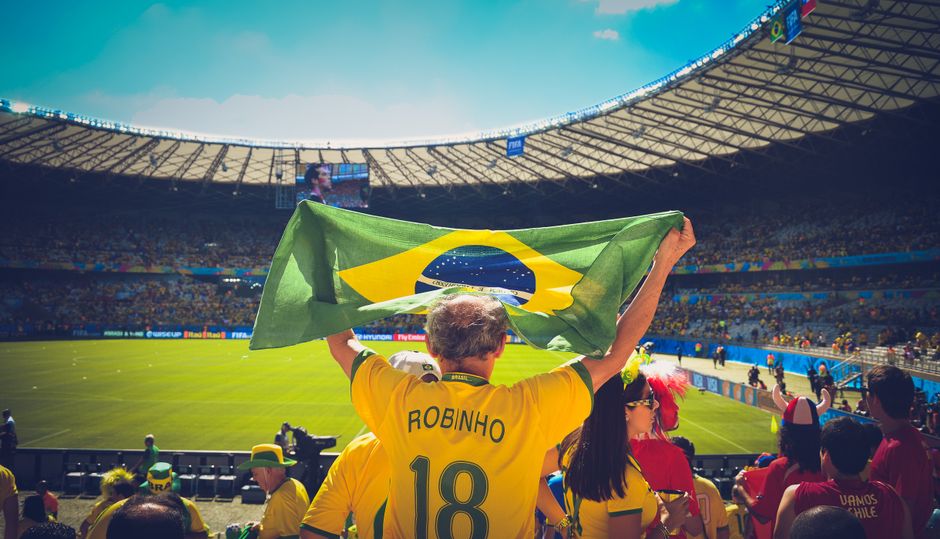
Brazil's World Cup win sent fan token trading volumes soaring, a clear signal that the digital asset market is now deeply intertwined with live sporting events.
For the first time at this scale, millions of fans are not just watching the matches; they are actively trading tokens pegged to national teams and placing bets through decentralized prediction markets. The World Cup has effectively become a catalyst for mainstream crypto adoption in sports.
Prediction Markets: Real Money, Real Risk
One of the standout stories of the group stage was Paraguay's 1-0 victory over Turkey. According to reports, prediction markets attracted $1.85 million in wagers on that single fixture. The figure highlights a broader trend: crypto-based sports betting is no longer a niche activity.
Across the tournament, the volume of crypto wagers has climbed steadily. Eleven players have already scored two or more goals, fueling speculative trading on player performance markets. These platforms allow users to bet on everything from match outcomes to goal counts, all settled on-chain.
While the liquidity is impressive, so are the risks. Prediction markets lack the consumer protections of traditional sportsbooks, and volatility can wipe out positions in minutes. For every winning bettor, there are others left holding worthless tokens.
Fan Tokens: Community Currency or Speculation Vehicle?
Fan tokens have been one of the most visible crypto products at the 2026 World Cup. Issued by national football associations and clubs, these digital assets give holders voting rights on certain team decisions and access to exclusive experiences. But in practice, many fans treat them as speculative investments.
Brazil's World Cup win triggered a buying frenzy. Token prices surged as supporters rushed to acquire a piece of the champion nation. However, similar spikes were seen after key victories by other teams, followed by sharp corrections when those teams were eliminated.
The volatility of fan tokens raises a fundamental question: Are they a tool for engagement or just another crypto gamble?
For the platforms issuing these tokens, the World Cup has been a marketing goldmine. The surge in trading volumes has brought millions of new users into crypto wallets, some for the first time. But the long-term retention of these fans — and the regulatory response — will determine whether this moment becomes a lasting shift.
Institutional Endorsement and What It Means
The World Cup's crypto boom did not happen by accident. Earlier in the tournament, major exchange Kraken announced a partnership with FIFA, a move widely seen as a stamp of legitimacy for digital assets in sports. That partnership has paved the way for increased integration, from branded wallets to tokenized stadium experiences.
Yet institutional involvement also brings scrutiny. Regulators in several jurisdictions have already flagged concerns about unlicensed betting platforms and the lack of investor protection for fan token holders. The very visibility that makes the World Cup so attractive to crypto companies could also make it a target for new rules.
The Broader Impact on Sports and Crypto
The 2026 World Cup may be remembered as the tournament where crypto went mainstream in sports. But it is also a stress test. The influx of retail capital into fan tokens and prediction markets has exposed gaps in education, custody, and compliance.
For traditional sports organizations, the message is clear: fans want digital engagement, but they also want safety. The platforms that thrive will be those that combine the excitement of crypto with the trustworthiness of established sports finance.
Looking Ahead
As the knockout rounds approach, attention will shift to how fan token markets react to upsets and whether prediction market volumes continue to climb. The regulatory landscape is still forming, and any new rulings could reshape the market overnight.
One thing is certain: the genie is out of the bottle. Crypto and football have merged at the highest level, and the 2026 World Cup is only the beginning. Fans, investors, and regulators alike will be watching closely as the final whistle blows on this experiment — and the next one begins.