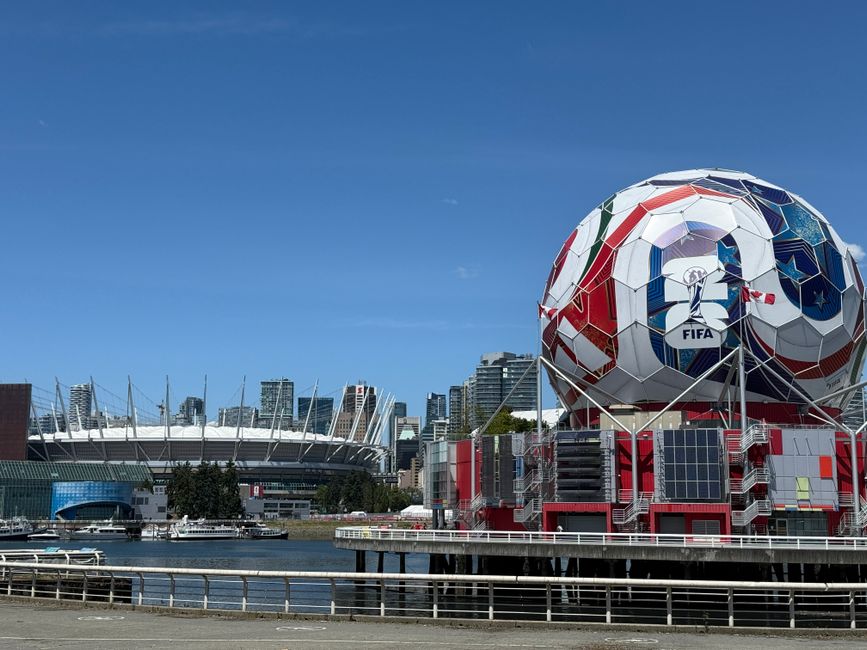
The 2026 FIFA World Cup in Brazil is shaping up to be a tournament defined not just by football, but by crypto, own goals, and a controversial tiebreaker rule. Here's what you need to know.
What to know
- The tournament runs from June 14 to July 15, 2026, with the final in Rio de Janeiro on July 26.
- Prize money totals an unprecedented $10.5 billion.
- Canada faces Switzerland for the lead in Group B.
- Nine own goals have been scored so far, raising questions about the expanded format.
- FIFA has deepened crypto partnerships, aiming to boost blockchain adoption and fan engagement.
- Former President Donald Trump is set to present the World Cup trophy.
- New tiebreaker rules may reduce competitive intensity in group-stage finales.
The Expanded World Cup: More Goals, More Own Goals
The 2026 edition is the largest in history, with 48 teams vying for glory. But the expanded format has brought an unexpected statistical anomaly: nine own goals so far. This surge highlights the defensive disorganization and fatigue that can come with a crowded fixture list. Critics argue that the bigger tournament dilutes quality, while proponents see it as a global celebration of football. Either way, the own-goal tally is a talking point that even crypto enthusiasts are monitoring — seeing a parallel to volatility in digital assets.
Crypto Takes Center Stage
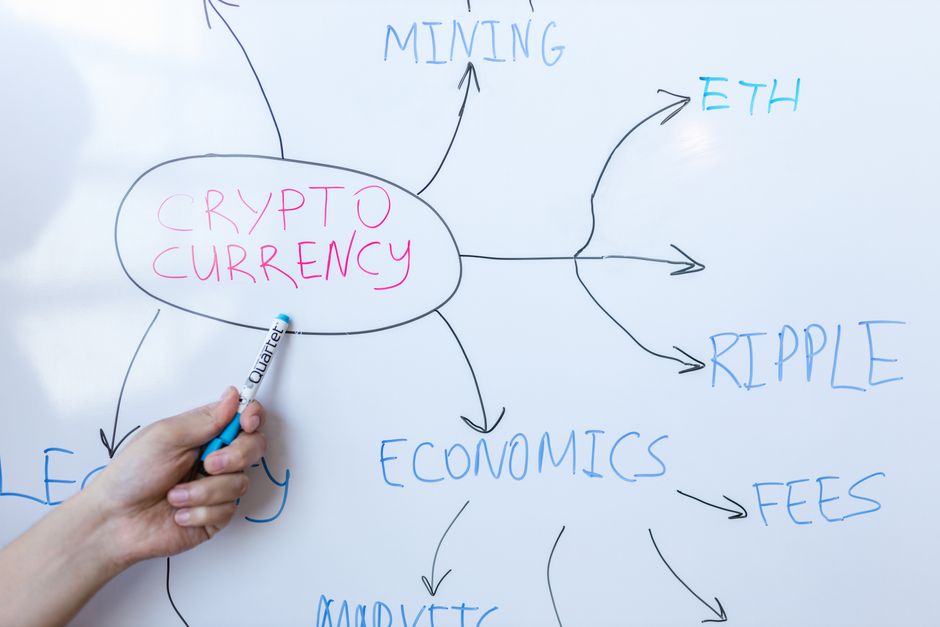
FIFA has aggressively integrated cryptocurrencies into the 2026 World Cup ecosystem. Partnerships with blockchain firms aim to tokenize fan experiences, from voting on match moments to exclusive digital collectibles. The move could redefine how fans interact with the sport, potentially boosting blockchain adoption on a massive scale. This is not just a sponsorship deal; it is a strategic bet on decentralized engagement. The crypto angle is particularly relevant as the tournament unfolds in a year when digital assets have regained mainstream attention.
The Trump Factor: Politics Meets Sports
In a development that blends sports and politics, Donald Trump is scheduled to present the World Cup trophy at the final. His involvement underscores the political weight of the host nation and the global stage of the event. While FIFA has historically kept politics at arm’s length, Trump’s appearance signals a new era where high-profile figures intersect with sport on the biggest platform. It also raises questions about how this could influence global perceptions and potentially affect licensing or broadcast agreements.
Tiebreaker Turmoil: Fairness Concerns
New tiebreaker rules introduced for 2026 could reduce competitive intensity in final group games. Instead of teams fighting for a win, they might settle for a draw that secures advancement on tiebreakers. This has sparked debate about the integrity of the competition. For fans and bettors alike, the predictability of outcomes may dampen excitement. FIFA’s decision comes as a response to previous controversies, but it may have unintended consequences for engagement and viewership — a risk that the crypto partnerships are partly designed to offset.
Canada vs. Switzerland: A Group B Battle with Crypto Undertones
In Group B, Canada and Switzerland are locked in a tight race for first place. The match is drawing extra attention because it epitomizes the crypto-sports fusion: both nations have active blockchain communities, and the game is being framed as a showcase for how digital currencies can enhance fan experiences. Real-time NFT drops, crypto-based voting for player of the match, and blockchain-verified ticket resales are part of the pilot programs being tested during this fixture.
Looking Ahead
As the 2026 World Cup progresses, all eyes will be on how the own-goal trend evolves, whether the crypto partnerships truly engage fans, and how Trump’s presence shapes the final. The tournament is a litmus test for FIFA’s modernization strategy — balancing tradition with digital innovation. For investors, fans, and policymakers, the next few weeks will reveal whether football and blockchain can coexist, or if the expanded format and political entanglements create more friction than spectacle.