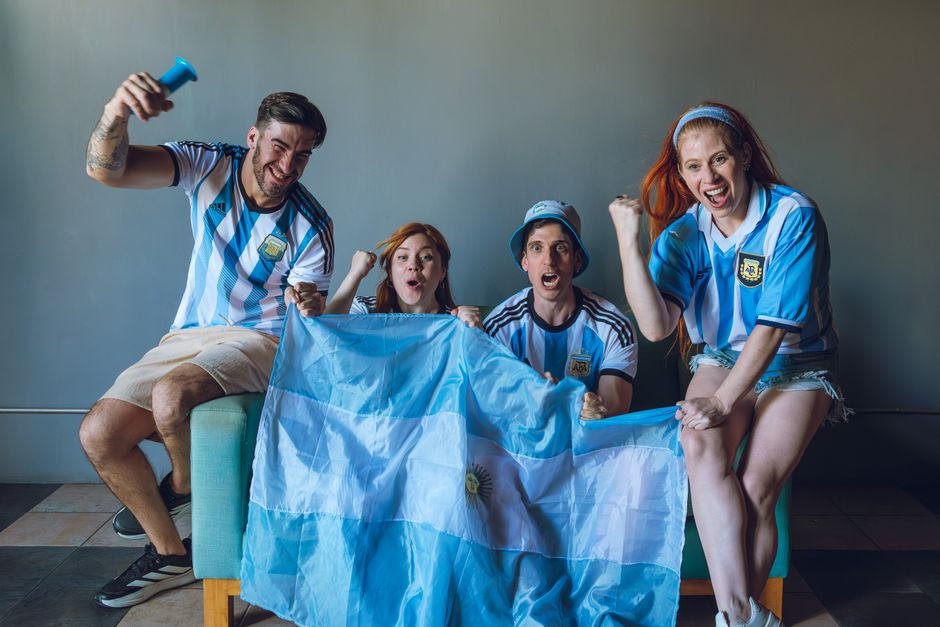
The 2026 World Cup is not just a football festival; it’s a proving ground for the crypto industry’s ambitious push into mainstream sports. From fan tokens to sponsorship deals, the tournament is a live experiment in digital finance — with all the volatility that entails.
What to know
- Austria opened the World Cup with a 3-1 victory over Jordan, a match heavily promoted by crypto sponsors.
- Crypto fan tokens, including those tied to national teams, saw dramatic price swings as the tournament began.
- Lionel Messi scored his 118th goal for Argentina, then spoke candidly about his emotional struggles, drawing attention to mental health in sports.
- The influx of crypto sponsorships this year surpasses previous tournaments, marking a new era in sports marketing.
- Fan tokens are being used to drive engagement, but their speculative nature carries risks for fans and investors alike.
- Regulatory scrutiny and market volatility remain significant concerns as digital assets become more embedded in major events.
The Opening Match: Austria vs Jordan and the Crypto Onslaught
On June 17, 2026, the World Cup kicked off with a match between Austria and Jordan. The scoreline — 3-1 in favor of Austria — was almost secondary to the branding blitz that surrounded it. Crypto sponsors dominated advertising boards, digital overlays, and broadcast segments. This was the most crypto-heavy World Cup opening in history, as reported by Crypto Briefing. The match served as a live demonstration of how deeply digital finance has woven itself into the fabric of global sports. For the first time, the opening whistle was accompanied not just by cheers, but by the hum of speculative markets tied to team performance.
The significance of Austria and Jordan as the opening match is not arbitrary. Both nations have embraced blockchain technology in different ways, and their fan tokens were among the most traded leading up to the event. Yet the immediate volatility — fan tokens “already feeling the heat” — suggests that the marriage of sports and crypto is still a rocky one. The price swings reflect not just game outcomes, but also broader market sentiment and the influence of celebrity moments like Messi’s.
Fan Tokens Under the Spotlight
As the first whistle blew, the market for fan tokens reacted instantly. Several national team tokens experienced sharp price movements, reflecting the speculative nature of these assets. The trend report notes that “crypto fan tokens are already feeling the heat” — a reference to the volatility that accompanies major sporting events. Fan tokens, which allow holders to vote on club decisions or access exclusive content, have become a tool for teams to monetize their fanbase. But the 2026 World Cup has exposed how quickly sentiment can shift.
The rise of crypto fan tokens highlights the growing intersection of sports and blockchain, offering new speculative avenues for fan engagement.
This quote, from the Crypto Briefing coverage, captures both the promise and the peril. Fans who bought tokens expecting a stable connection to their team are instead experiencing the adrenaline of a crypto day trader. The tokens are not tied to any underlying asset or revenue stream — their value is entirely driven by hype, news, and match results. This makes them a high-risk instrument, especially for retail investors who may not fully understand the market dynamics.
Messi’s Milestone and Mental Health Revelations
Beyond the numbers, Lionel Messi provided one of the most human moments of the tournament. He scored his 118th goal for Argentina, a milestone that should have been pure celebration. Instead, Messi used the platform to open up about his personal struggles, highlighting the mental health challenges athletes face. This candidness, reported by Crypto Briefing, may influence how sports culture addresses psychological well-being. It also underscores the dual narrative of the World Cup: the dazzling spectacle of crypto and the raw humanity of the athletes.
The emotional goal and the subsequent interview sent ripples through both the sports world and the crypto markets. Messi’s influence — often cited as a driver of fan token prices — became even more pronounced. Yet his vulnerability also reminded everyone that behind the digital assets and sponsorship deals are real people with real struggles. This moment could catalyze a shift in how mental health is discussed in sports, potentially leading to better support systems for athletes globally.
Why This Matters: The Intersection of Sports and Digital Finance
The flood of crypto sponsorships at the 2026 World Cup is not an anomaly; it’s the culmination of a years-long trend. Major crypto exchanges, blockchain platforms, and fan token issuers have poured millions into partnerships with FIFA and national teams. The goal is to capture the attention of a global audience and onboard new users into digital finance. For fans, this means new ways to engage — from token-based voting to crypto rewards. For investors, it opens up speculative opportunities tied to real-world events. But the risks are equally real. Volatility, regulatory crackdowns, and the potential for hype-driven bubbles are ever-present.
The World Cup is a unique testing ground because it combines massive viewership with emotional investment. Every goal, every upset, every star moment can trigger a wave of buying or selling. This creates a feedback loop where sports events directly influence financial markets — a phenomenon that was once the realm of fantasy sports and betting, but is now becoming mainstream.
The influx of crypto sponsorships at the World Cup highlights the growing intersection of sports and digital finance, impacting fan engagement and investment strategies.
This statement from the trend data encapsulates the core shift. Fans are no longer passive consumers; they are financial participants. And brands are no longer just advertisers; they are ecosystem builders. The implications are profound for how sports organizations think about loyalty, revenue, and community.
Who Is Affected? Fans, Investors, and Regulators
The most immediate impact is on fans, who are being offered a new kind of relationship with their teams: not just cheering, but holding a financial stake. However, the volatility of fan tokens can turn enthusiasm into losses. Investors, including retail participants, are drawn to the excitement but may underestimate the risks. Regulators worldwide are watching closely. The integration of crypto into a global event like the World Cup puts pressure on authorities to establish clearer rules. The Trend’s open questions ask “How will World Cup respond to this situation?” — which suggests that governing bodies may need to address both opportunities and pitfalls.
For Austria and Jordan, the opening match was a chance to showcase their crypto-friendly policies. For Argentina, Messi’s performance and personal story will likely dominate narrative. But beyond individual teams, the entire ecosystem of Crypto Briefing and similar media outlets will be tracking the financial ups and downs, providing real-time analysis that further fuels market movements. The cycle is self-reinforcing: more coverage leads to more attention, which leads to more volatility.
Looking Ahead: What to Watch Next
As the tournament progresses, the performance of fan tokens will likely mirror match outcomes and player stories. Messi’s continued influence, the success of sponsor-backed teams, and any regulatory statements could drive market moves. The crypto industry has placed a huge bet on the World Cup being its gateway to the mainstream. Whether that bet pays off depends on how well the ecosystem can manage the volatility and earn the trust of skeptics. The next few weeks will be critical.
What will happen if a major sponsor’s token crashes during a high-profile match? The answer could determine the future of crypto in sports.
Eyes are on FIFA, national associations, and crypto platforms to see how they handle the inevitable bumps. The 2026 World Cup may be remembered not just for the goals scored, but for how it changed the relationship between sports, money, and technology forever.