The 2026 FIFA World Cup semifinals are set, and the biggest absence isn't a player — it's crypto. No blockchain sponsorships, no fan token integrations. Yet off the pitch, digital asset markets are moving with every goal.
What to know
- FIFA and the World Cup have entered the semifinal stage with zero crypto brand presence, a stark contrast to the 2022 tournament in Qatar which featured multiple crypto sponsors.
- Morocco's quarterfinal success has been correlated with increased activity in crypto markets, suggesting a growing intersection between sports achievements and digital assets.
- Fan token prices show real-time reactions to player narratives — such as injuries and disciplinary news — but those movements rarely sustain, urging caution among traders.
- The absence reflects a broader shift in sports marketing, with brands exercising caution after the collapse of several high-profile crypto sponsorships in 2022-2023.
- Despite the current void, analysts see potential for blockchain integration to redefine fan engagement in future World Cups, including tokenized ticketing and fan rewards.
- Canada, a co-host for the 2026 tournament, has its own domestic crypto landscape, but no major sponsorship deals have emerged involving Canadian crypto firms.
The Empty Pitch: Crypto's Vanishing Act
Just four years ago, the World Cup was a proving ground for crypto ambition. Stadium walls bore the logos of exchanges, fan tokens promised digital ownership, and blockchain projects competed for attention. The 2026 tournament tells a different story — one of retreat.
The 2026 tournament has become a case study in caution, with brands pulling back after the collapse of high-profile crypto sponsorships that marked the previous cycle.
No major crypto brand appears on the sideline boards. No token rewards tempt fans in the stadium app. The silence is deliberate, and it speaks to a sector still recovering from the market downturn and regulatory crackdowns that followed the 2022 boom.
For FIFA and its host nations — Canada, Mexico, and the United States — the decision to keep crypto at arm's length appears to be one of risk management. The integrity of the sport is paramount, and tying it to volatile digital assets raises questions that sports bodies are not yet ready to answer.
Morocco's Run and the Crypto Ripple Effect
While the pitch is crypto-free, the markets are not ignoring the tournament. Morocco's stunning run to the quarterfinals has been accompanied by a noticeable uptick in crypto trading activity, particularly among assets associated with the region and broader emerging markets.
Data from crypto exchanges suggests that Moroccan-themed tokens and related digital assets saw increased volume during key matches. This is not a coincidence. Sports events have long been catalysts for market sentiment, and the 2026 World Cup is proving no exception.
Morocco's success on the world stage appears to be resonating in digital asset markets, highlighting a nuanced relationship between national pride and investment behavior.
The phenomenon is not isolated to Morocco. When underdog teams advance, traders often seek exposure to assets linked to those countries or regions. This behavior mirrors traditional market reactions to geopolitical events, but in crypto, the moves can be faster and more volatile.
Fan Tokens: Volatility on the Sidelines
Fan tokens — digital assets issued by football clubs or governing bodies — are supposed to connect supporters to teams through voting rights and exclusive perks. During the 2026 World Cup, these tokens have shown a different pattern: they react sharply to on-field news, yet rarely sustain the momentum.
The reaction of fan token markets to player narratives demonstrates real-time sentiment capture, but disciplinary and injury news rarely cause lasting price shifts, urging cautious trading.
For example, when a star player receives a yellow card or is ruled out of a match, the associated fan token may spike or dip within minutes. But within hours, the price often reverts. This volatility makes fan tokens a poor store of value and a risky vehicle for casual investors.
The data from the tournament suggests that while fan tokens can amplify fan engagement, they also introduce a gambling-like dynamic that leagues and regulators are watching closely.
Sponsorship Integrity: A New Frontier
The absence of crypto sponsors does not mean the debate is over. In fact, the quiet has allowed deeper questions to surface about the integrity of sports sponsorship in the digital age.
When crypto brands were prominent, concerns centered on market manipulation, pump-and-dump schemes, and the exposure of retail fans to risky assets. Without them, the focus shifts to what might replace that revenue stream — and whether crypto can ever return in a responsible form.
FIFA has not ruled out future blockchain integrations. The organization has explored projects involving ticketing authentication, player contracts, and fan rewards. But the 2026 tournament represents a pause, not a permanent ban.
The integration of crypto in the 2026 World Cup could have redefined sports fan engagement, but instead it sets a precedent for cautious experimentation in future events.
For regulators, the current landscape offers a breathing space to design frameworks that protect consumers without stifling innovation. For brands, it is a moment to rebuild trust.
What's Next for Blockchain and Football?
Looking ahead, the 2026 World Cup may be remembered as a turning point — not because crypto was present, but because it was absent. That absence forces the industry to confront its shortcomings and articulate a clearer value proposition.
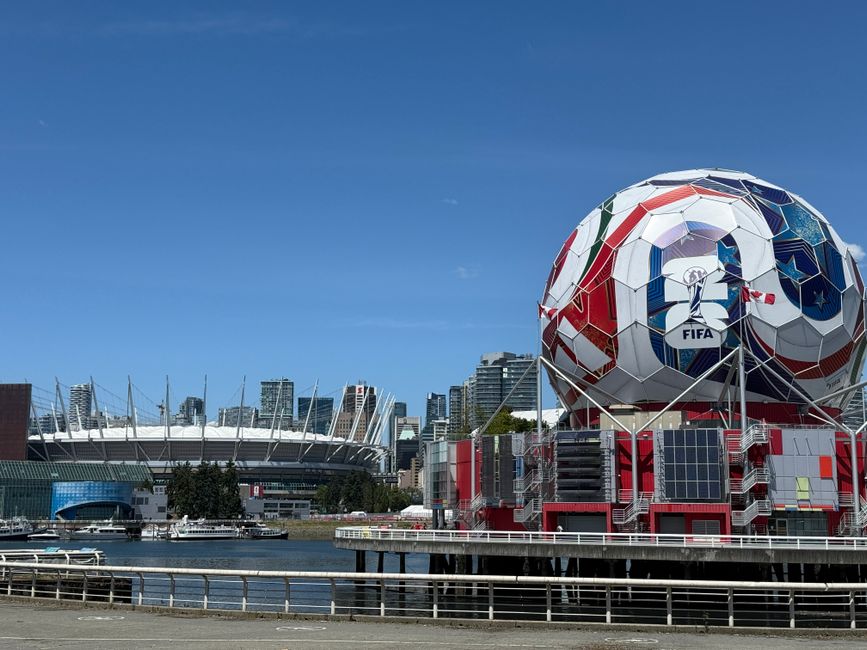
Canada's role as a co-host is also notable. The country has a growing blockchain ecosystem, but no major sponsorship deals have emerged for the tournament. This could change in the lead-up to the 2026 final, but for now, the door remains closed.
The most likely path forward involves gradual integration: pilot programs for blockchain-based ticketing, fan tokens tied to specific features rather than speculative trading, and transparent sponsorship models that prioritize long-term value over short-term hype.
Looking Ahead
The 2026 FIFA World Cup semifinals are a stage without crypto, but the story is far from over. Morocco's market impact, the behavior of fan tokens, and the quiet caution of sponsors all point to a sector in transition.
The question is not whether blockchain will return to football — but in what form, and under what rules.
For now, the game goes on. The pitch is clear of crypto logos, but the digital asset world is watching every kick. The next World Cup cycle may look very different.