The 2026 FIFA World Cup is making history even before the final whistle. For the first time, a cryptocurrency exchange has secured a top-tier sponsorship deal with the world's most-watched sporting event, signaling a tectonic shift in how digital assets are perceived and consumed by a global audience of billions.
What to know
- Kraken has become an official FIFA sponsor for the 2026 World Cup, placing crypto at the center of global sports marketing.
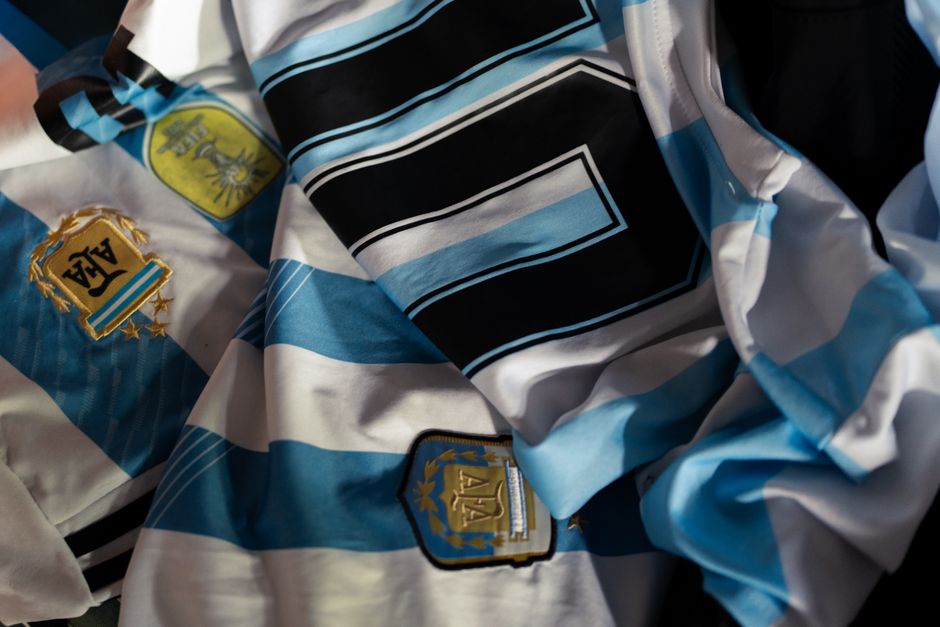
- The tournament opened with Argentina taking on Algeria, showcasing the expanded reach of the new 48-team format.
- In another group-stage match, Iran and New Zealand drew 1-1, with Kraken branding visible on pitchside boards and digital assets integrated into the fan experience.
- For the first time, every confederation earned at least one point in the opening matches, reflecting FIFA's push for a more inclusive competition.
- Crypto sponsorship is expected to unlock new revenue streams through tokenized fan tokens, blockchain-based ticketing, and NFT merchandise.
- The partnership could legitimize decentralized finance (DeFi) in the eyes of regulators, traditional sponsors, and the general public.
The Kraken Deal: A Milestone for Crypto in Sports
The announcement that Kraken had inked a sponsorship agreement with FIFA sent ripples through both the crypto and sports marketing industries. While exchanges have dabbled in sports partnerships before — from arena naming rights to shirt sponsors — the FIFA World Cup represents an order-of-magnitude leap in scale and prestige.
The deal places Kraken alongside legacy sponsors like Coca-Cola, Visa, and Adidas, signaling that the world football governing body sees digital assets as a permanent fixture in the commercial landscape. For a crypto exchange navigating an often hostile regulatory environment, this is a powerful stamp of legitimacy.
But the implications go far beyond a single company's branding. The sponsorship opens the door for deeper blockchain integration throughout the tournament, potentially transforming how fans interact with the game. From decentralized ticketing systems that eliminate scalping to fan tokens that give holders a vote on club decisions, the possibilities are vast.
A World Cup Like No Other: Inclusivity on the Pitch
The 2026 edition is already unique for reasons beyond crypto. Expanded to 48 teams, the tournament is the most inclusive in history. The opening match pitting Argentina against Algeria — a clash between a traditional powerhouse and an African rising star — exemplifies the new spirit of global representation.
Meanwhile, the 1-1 draw between Iran and New Zealand in the group stage highlighted the competitiveness of teams from across confederations. The decision to award each confederation at least one point in the first two games (a rule embedded in the new format) ensures that no region leaves empty-handed, fostering a sense of shared stake in the tournament's success.
This format aligns perfectly with the ethos of decentralized finance: open, borderless, and resistant to gatekeeping. Crypto advocates see a natural synergy between football's global expansion and the promise of permissionless financial systems.
Crypto on the Pitch: Fan Engagement Redefined
The visible presence of Kraken logos on advertising boards is just the tip of the iceberg. Behind the scenes, the integration of blockchain technologies is poised to overhaul the fan experience.
FIFA has already explored fan token programs in previous tournaments, but the Kraken deal supercharges that effort. Imagine match-day rewards earned in real time via a mobile wallet, or exclusive NFT highlights minted automatically after each goal. In-stadium purchases using stablecoins could become the norm, reducing friction for international visitors.
For investors, the World Cup represents a massive engagement flywheel. Kraken can onboard millions of new users by offering tournament-specific promotions and educational content, converting football fans into crypto holders. This strategy could significantly boost exchange volumes and user growth, reshaping the competitive landscape among platforms.
The Road to Legitimacy for Decentralized Finance
Perhaps the most profound impact of the partnership is its potential to normalize cryptocurrencies in the public consciousness. While Wall Street and Silicon Valley have embraced digital assets, skepticism persists among everyday consumers and regulators. FIFA's endorsement changes that equation.
By associating with a universally beloved institution like the World Cup, Kraken and the broader crypto ecosystem gain cultural cachet that no amount of marketing spend could buy. The message is clear: crypto is not a fringe phenomenon — it is a mainstream economic force.
This legitimacy could accelerate regulatory clarity, as governments see the benefits of embracing innovation rather than stifling it. Crypto Briefing coverage of the tournament has highlighted growing optimism that the World Cup will serve as a catalyst for more favorable policies worldwide.
Looking Ahead
The 2026 FIFA World Cup is still in its early group stage, but the signals are already clear. Kraken's sponsorship has blurred the line between digital finance and traditional sports, creating a new playbook for future partnerships. Expect to see more blockchain-based fan engagement features rolled out as the knockout rounds approach.
Questions remain: Will regulators in key markets push back against crypto's expanding footprint in sports? How will traditional sponsors respond to the newcomer? And can the partnership deliver on its promise of transforming football's commercial model?
One thing is certain: the ball is now rolling, and crypto is on the pitch to stay.