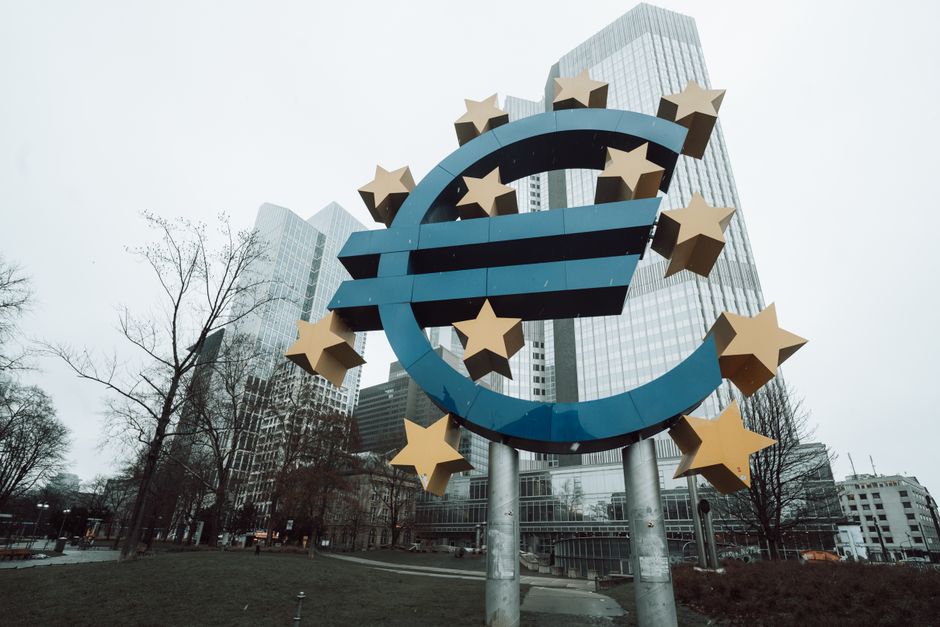
The ECB’s rate hike is a watershed moment for global monetary policy, coming amid escalating conflict in the Middle East and marking the first tightening by a major bank since the Iran war began.
What to know
- The ECB raised rates by 25 basis points, its first increase since 2023.
- It is the first G7 central bank to hike interest rates since the outbreak of the Iran war.
- The move signals an end to the prolonged easing cycle that dominated post-pandemic policy.
- Inflation remains the ECB's priority, despite risks to eurozone growth.
- Geopolitical tensions—particularly in the Middle East—are complicating the monetary outlook.
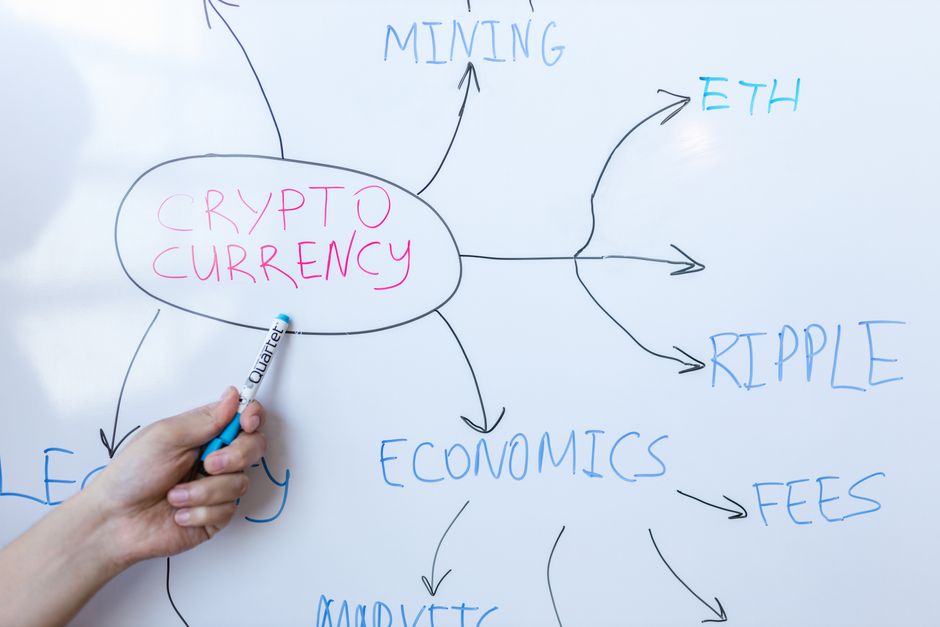
- Tighter policy may strain liquidity, potentially pulling capital out of risk assets like crypto and equities.
- The decision could trigger a domino effect on other central banks, reshaping global monetary dynamics.
The End of an Era for Easy Money
The European Central Bank has pulled the trigger. After years of loose monetary policy following the pandemic and the onset of the Iran war, the ECB has raised its benchmark rate by 25 basis points. This is the first rate hike by the institution since 2023, and it firmly signals that the era of cheap money in the eurozone is over.
The decision comes as inflation continues to run above the bank’s 2% target, driven in part by energy costs and supply chain disruptions linked to the geopolitical situation in the Middle East. The ECB has made it clear: price stability takes precedence over growth, even if that means slower economic activity in the short term.
"The ECB is the first G7 bank to hike since the Iran war began." This fact underscores the global significance of the move. It breaks a long stretch of inaction among major central banks, which have largely held rates steady or even cut them to support economies battered by conflict and uncertainty.
Geopolitical Backdrop: The Iran War Factor
To understand the ECB's timing, one must look east. The ongoing conflict involving Iran has sent shockwaves through energy markets, pushing up oil prices and stoking inflationary pressures worldwide. The Middle East remains a tinderbox, and the ECB is now navigating these treacherous waters.
Central banks typically avoid tightening during geopolitical crises for fear of choking off growth. But the ECB has concluded that allowing inflation to fester would be more damaging in the long run. The bank’s hawkish stance reflects a judgment that the inflation genie must be stuffed back into the bottle before it spirals out of control.
The decision also carries a symbolic weight: by acting first among G7 peers, the ECB is asserting its independence and its commitment to its mandate, even as governments across Europe grapple with the fallout from the war.
Impact on Risk Assets and Liquidity
For investors, the ECB’s rate hike is a shot across the bow. Tighter monetary policy typically reduces liquidity in the financial system, as borrowing costs rise and central banks withdraw stimulus. Risk assets—from equities to cryptocurrencies—are particularly vulnerable in such an environment.
Analysts covered by Crypto Briefing have noted that the shift could “strain liquidity, impacting risk assets and shifting investor focus back to fixed-income.” This means that the easy money that once flowed into speculative bets may now find its way into bonds and other safer instruments.
The end of the easing cycle could mark a turning point for crypto markets, which have thrived in a low-rate, high-liquidity world. If the ECB’s move is followed by other major central banks, the liquidity crunch could deepen.
Global Monetary Ripple Effects
The ECB’s decision is unlikely to occur in isolation. As the first G7 bank to hike since the Iran war began, it sets a precedent. The Federal Reserve, the Bank of England, and the Bank of Japan will all be watching closely. If inflation remains sticky and geopolitical tensions persist, others may follow suit.
This could lead to a synchronized tightening cycle—something the global economy has not seen in years. The impact on currencies could be significant: a stronger euro against a weaker dollar? Possibly, but much depends on how other central banks react.
The ECB’s move also highlights the growing divergence between the eurozone and other regions. Some emerging market central banks have already raised rates aggressively, but for developed economies, this is a new chapter.
Looking Ahead
The ECB has signaled that this rate hike may not be the last. If inflation does not cool or if geopolitical risks escalate further, additional tightening could be on the table. Markets will now parse every subsequent data point and ECB statement for clues about the pace and duration of this new cycle.
For now, one thing is certain: the free-money era is behind us. Investors who have been riding the wave of easy monetary policy must recalibrate for a world where central banks prioritize inflation control over economic support. The Iran war has changed the calculus, and the ECB has drawn the first line in the sand.