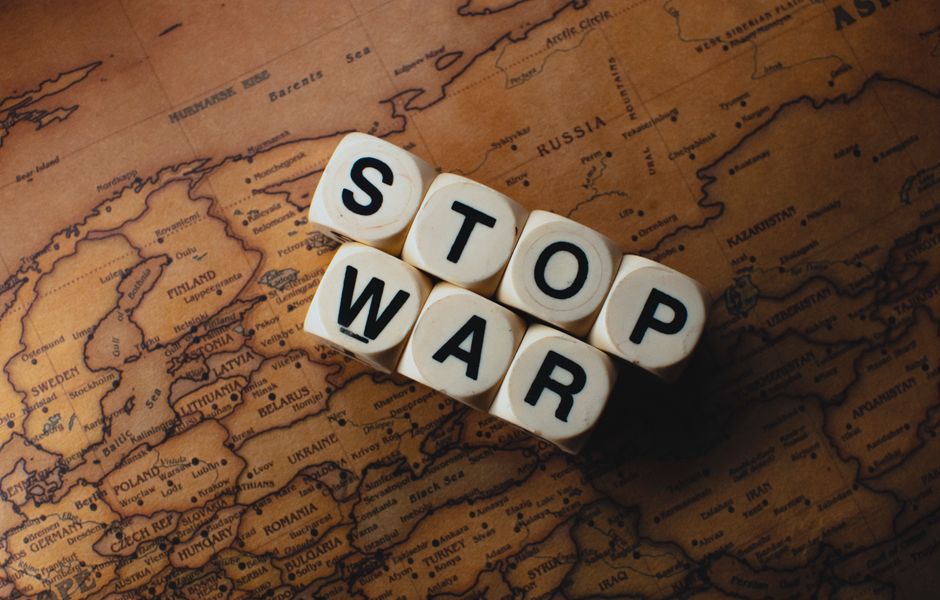
A series of reports on July 16, 2026, chronicled an alarming escalation between the United States and Iran, with a strike near a children's hospital in Ahvaz and a drone offensive against Kuwait. The Gulf is on edge, and the world is watching.
What to know
- On July 16, the US conducted a strike near a children's hospital in Ahvaz, which Iran immediately condemned as a "war crime."
- Hours later, Iran launched drones targeting Kuwait, prompting Kuwait's air defenses to activate.
- The escalating exchanges risk destabilizing Iran's internal regime dynamics, according to reports.
- US President Trump is expected to address the nation, potentially signaling shifts in military posture.
- Defense firms have been urged to increase production, a move that may strain global arms supply chains.
- Prediction markets and traditional markets are reacting to the heightened geopolitical risk.
The Ahvaz Strike: A Condemnation and a Crisis Point
On July 16, the US conducted a strike that landed near a children's hospital in Ahvaz, a city in southwestern Iran. The location and timing drew an immediate and sharp response from Tehran, which condemned the attack as a "war crime." While specific casualty figures or the intended target were not disclosed, the proximity to a medical facility for children transformed the incident into a profound humanitarian and propaganda flashpoint. The strike threatens to galvanize anti-US sentiment within Iran and across the region, complicating any potential diplomatic off-ramp.
The hospital strike also raises the stakes for both sides. For Iran, it is an opportunity to frame the conflict as a moral outrage and rally domestic support. For the US, it risks alienating allies and international opinion, even as it pursues its military objectives. The lack of detailed information leaves room for competing narratives, each with its own strategic value.
Drone Warfare Reaches Kuwait
Barely hours after the Ahvaz strike, Iran launched drone attacks targeting Kuwait. The drones, likely intended to test and strain Kuwait's air defenses, represent a dramatic expansion of the theater of conflict. Kuwait's military responded with counter-drone operations, successfully engaging some of the threats. Kuwait, a prominent Gulf state and close US ally, had previously been on the sidelines of direct military exchanges. This attack forces a new calculus: the entire Gulf coastline is now a potential battleground. The use of drones, which are relatively cheap and hard to fully neutralize, adds a persistent layer of insecurity.
Drone warfare in the Gulf is not new, but the direct targeting of Kuwait marks a significant departure. Kuwait's air defense systems, while capable, face the challenge of handling swarms or coordinated drone incursions. The incident highlights the growing importance of counter-drone technology and the vulnerability of even well-defended states. It also underscores the ability of Iran to project power beyond its borders, even under pressure.
Regime Destabilization: The Internal Risk
The dual blow of an external attack and a foreign drone operation places immense stress on Iran's domestic political architecture. Analysts cited in the reports warn that the escalating tensions risk destabilizing the regime itself. The government must manage public outrage over the hospital strike, counter any perception of military weakness, and maintain internal control—all while facing a powerful adversary abroad. The regime's stability is increasingly tied to its ability to respond effectively and project strength. Any misstep could accelerate internal unrest, a factor that both Washington and Tehran are likely weighing.
The internal dynamics of Iran are notoriously complex. The regime has weathered sanctions, protests, and proxy conflicts for decades, but a direct confrontation with the US on its own soil—and the resulting civilian impact—could be a different matter. The reports from Crypto Briefing and other outlets note that the risk of destabilization is real. How Tehran navigates the coming days will be critical not only for the conflict but for the entire region.
Washington Prepares for a Long Campaign
President Trump is scheduled to address the nation, a televised event that may signal shifts in US strategy. The address comes amid growing political pressures and a rapidly evolving military situation. Simultaneously, the administration has called on defense firms to increase production, a directive that could strain global arms supply chains but indicates a preparation for extended operations. The dual signals—a presidential speech and a production ramp-up—suggest the US is bracing for a protracted confrontation rather than a quick weekend strike. The resource implications are significant: increased defense production may divert materials and labor from other sectors, impacting the global arms market for years.
The call for boosted production also reflects the reality of modern warfare: precision munitions, drones, and air defense systems consume vast resources. Sustaining a high-tempo operation in the Gulf requires a ready industrial base. The move is likely aimed at reassuring allies and deterring adversaries, but it also sends a signal of long-term commitment.
A New Domain: Geopolitics and Crypto Markets Cross
The fact that the reports were aggregated and amplified through Crypto Briefing is itself noteworthy. It signals a growing awareness in crypto and blockchain communities that geopolitical risks directly impact market volatility and prediction platforms. The crisis is being priced not only in oil futures but also in decentralized prediction markets, where participants are wagering on outcomes like regime change or full-scale war. This convergence of traditional and crypto-native risk assessment tools could change how analysts monitor global conflicts.
Prediction markets have gained traction as real-time barometers of geopolitical risk. In the case of the Gulf crisis, the odds of a broader regional war have likely shifted, influencing everything from trading strategies to national security assessments. The US-Iran standoff is now being traded alongside commodities and equities, making the intersection of defense, technology, and finance more relevant than ever.
Prediction Markets and Global Finance in Turmoil
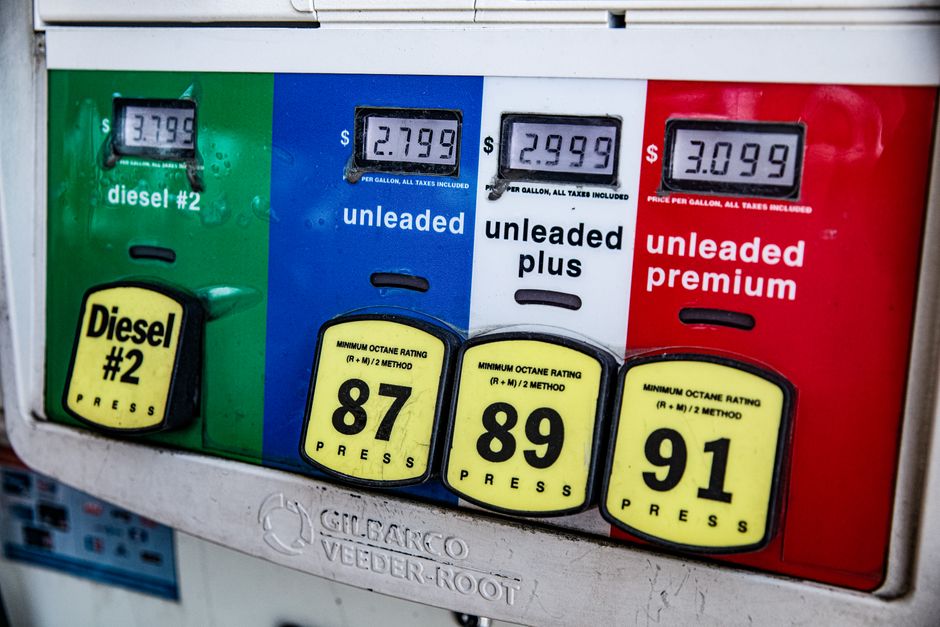
The geopolitical shockwave did not stop at military and political spheres. Global markets reacted instantly. The Gulf is a critical node for energy production, and any disruption to oil flows can send prices spiking. Prediction markets, which have become a barometer for geopolitical risk, are rapidly adjusting probabilities. The reports highlight that market perceptions are being "influenced" in real time. Investors are flocking to safe-haven assets while reassessing exposure to the region. This crisis underscores the tight coupling between military conflict and financial systems, a relationship that is only intensifying in the age of high-speed markets.
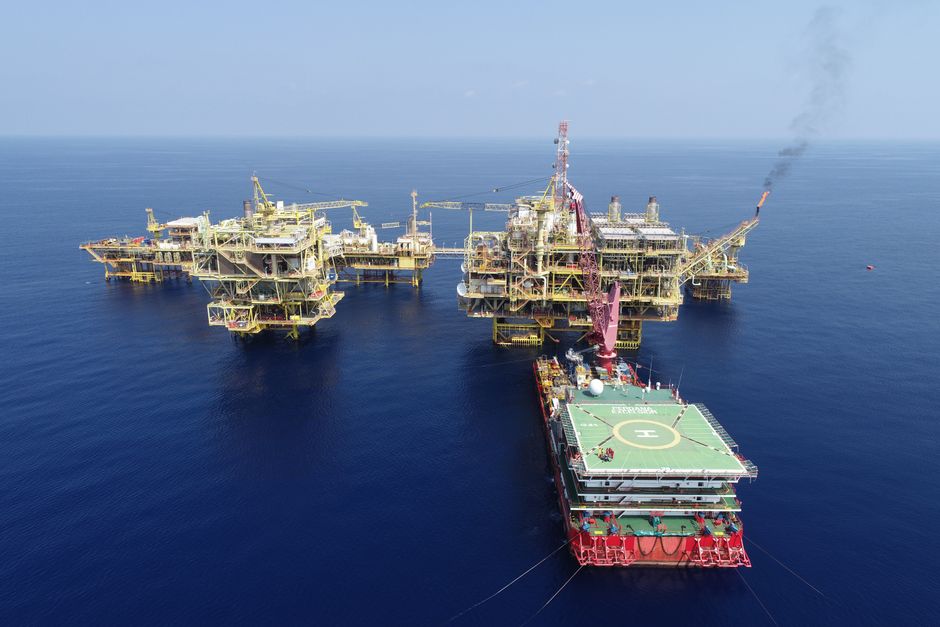
Energy markets are particularly sensitive. The Gulf holds a large share of global oil reserves, and the threat of supply disruptions from Iran or the Strait of Hormuz could cause volatility. Meanwhile, defense stocks may see a surge as governments around the world reconsider their military spending. The intertwining of geopolitical events and market outcomes is a theme that will define the coming years.
Looking Ahead
The events of July 16, 2026, may well be remembered as a turning point. A strike near a hospital, drone incursions over a relatively quiet Gulf state, and a superpower ordering its defense base to prepare for war—these are not isolated incidents but interlocking pieces of a larger puzzle. The risk of miscalculation is extreme. For Iran, the path forward is fraught with peril: a military response could invite more devastation, while restraint could be seen as weakness. For the US and its Gulf allies, the challenge is to contain the escalation without triggering an uncontrollable regional war. The next 48 hours will be decisive. The world holds its breath.