In a landmark move, FIFA has selected Kraken as its official crypto partner for the 2026 World Cup, signaling a new era of digital engagement in the world's biggest sporting event.
What to know
- FIFA has partnered with Kraken, making the crypto exchange an official sponsor for the 2026 World Cup.
- The tournament in Brazil runs from June 14 to July 15, featuring a record 48 teams.
- The knockout stage bracket is taking shape as group play concludes.
- Argentina is set to face Cape Verde in their upcoming match.
- Crypto prediction markets have surged past $5 billion, reflecting the intersection of sports and digital finance.
- Fan tokens and blockchain ticketing are being explored to reshape fan engagement.
- Regulatory uncertainties remain a potential hurdle for widespread adoption.
The Kraken Deal: A New Sponsorship Frontier
FIFA's decision to partner with Kraken, a major cryptocurrency exchange, represents a watershed moment for sports sponsorships. The deal, announced as the 2026 World Cup shifts into its knockout phase, positions crypto at the heart of the world's most-watched sporting event.
The partnership signals that digital assets are no longer peripheral in sports. For FIFA, it opens new revenue streams and engagement channels. For Kraken, it offers a global stage to showcase its platform to billions of fans. This is not a minor branding exercise; it's a strategic bet on the future of fan interaction through blockchain-based tools.
"FIFA's partnership with Kraken signals growing crypto integration in sports, potentially reshaping fan engagement and digital asset use." — Crypto Briefing
The 2026 Tournament: Brazil Takes Center Stage
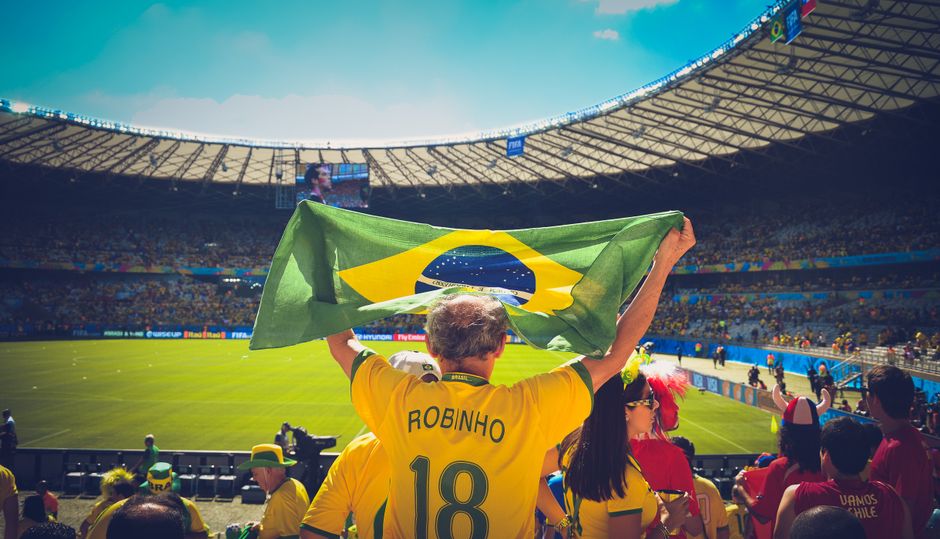
The 2026 World Cup is already historic for its expanded 48-team format. Brazil, a nation synonymous with football, provides the backdrop for a tournament that has seen the group stage wrap up and the knockout bracket take clear shape. Matches are scheduled from June 14 to July 15.
One of the standout matchups emerging from the group stage is Argentina versus Cape Verde. Argentina, a perennial powerhouse, faces Cape Verde, a team making waves in its World Cup journey. The clash epitomizes the tournament's global reach and the increased drama of the expanded format.
The expanded group stage also means more games, more fans, and more opportunities for digital engagement. It is in this context that FIFA's crypto push finds its most fertile ground.
Crypto Meets the Beautiful Game
Beyond the Kraken sponsorship, the 2026 World Cup is witnessing a surge in crypto-related activity. Prediction markets have ballooned past $5 billion, as fans use blockchain platforms to wager on match outcomes, player performance, and tournament winners. This isn't just betting; it's a data-driven ecosystem that ties digital finance directly to live sports.
Blockchain ticketing is also gaining traction. By issuing tickets as digital assets, organizers can reduce fraud, enable secondary market transparency, and offer fans verifiable ownership of their seat rights. Fan tokens — cryptocurrency assets tied to specific clubs or national teams — are another avenue being explored. These tokens allow holders to vote on minor decisions, access exclusive content, and participate in the fandom in a tokenized way.
"The surge in crypto prediction markets and blockchain ticketing highlights a growing intersection of sports and digital finance, reshaping fan engagement."
The expanded World Cup format amplifies these trends. More matches mean more data points for prediction markets, more tickets to tokenize, and more opportunities for fan tokens to generate loyalty and revenue.
Regulatory Headwinds
For all the potential, the marriage of crypto and the World Cup is not without risks. Regulatory uncertainties hang over the industry, and sports organizations must navigate a patchwork of laws across jurisdictions. The timeline points out that "regulatory uncertainties may hinder widespread adoption" of fan tokens and other crypto products.
In some markets, crypto sponsorships face scrutiny from financial watchdogs. The volatility of digital assets also poses a challenge for long-term fan engagement programs. If a fan token loses significant value, it could erode trust rather than build loyalty.
FIFA and Kraken will need to work closely with regulators to ensure that the crypto integration enhances the fan experience without creating legal or financial pitfalls. The success of this partnership could set a precedent for future sports-crypto alliances.
What This Means for Fans
For the average World Cup viewer, the immediate effects may be subtle. But behind the scenes, the infrastructure is shifting. Fans may soon find themselves using crypto wallets to buy tickets, trading fan tokens alongside match jerseys, and engaging with prediction markets through their mobile devices.
The partnership also opens the door for exclusive digital experiences. Imagine NFT-based highlights, token-gated meet-and-greets, or in-stadium purchases made with cryptocurrency. While these are not yet confirmed for 2026, the Kraken deal lays the groundwork for such innovations.
Looking Ahead
The 2026 World Cup in Brazil is shaping up to be a proving ground for crypto in global sports. The Kraken partnership, the explosion of prediction markets, and the exploration of blockchain ticketing all point to a more digital, more interactive fan experience.
Yet the path forward is not without obstacles. Regulatory clarity, market stability, and user education will determine whether crypto becomes a permanent fixture in football or a fleeting experiment. As the knockout bracket takes form and Argentina prepares to face Cape Verde, one thing is clear: the intersection of sports and crypto is no longer theoretical. It's on the world's biggest stage.