An attack on an Iranian crude oil carrier near the Strait of Hormuz — the first of its kind in the region’s history — has triggered military retaliation and exposed deep vulnerabilities in global energy and financial systems.
What to know
- An Iranian cargo ship loaded with more than 1,000 tons of crude oil was attacked in the Strait of Hormuz, marking the first such incident in the area’s history.
- The US retaliated by striking Iranian military sites near the Strait of Hormuz.
- The British military separately reported attacks on three additional tankers in the same waterway.
- The violence risks disrupting global oil supply, raising energy prices, and fueling inflation.
- Insurance costs on maritime shipments are expected to spike, and logistics routes may be rerouted.
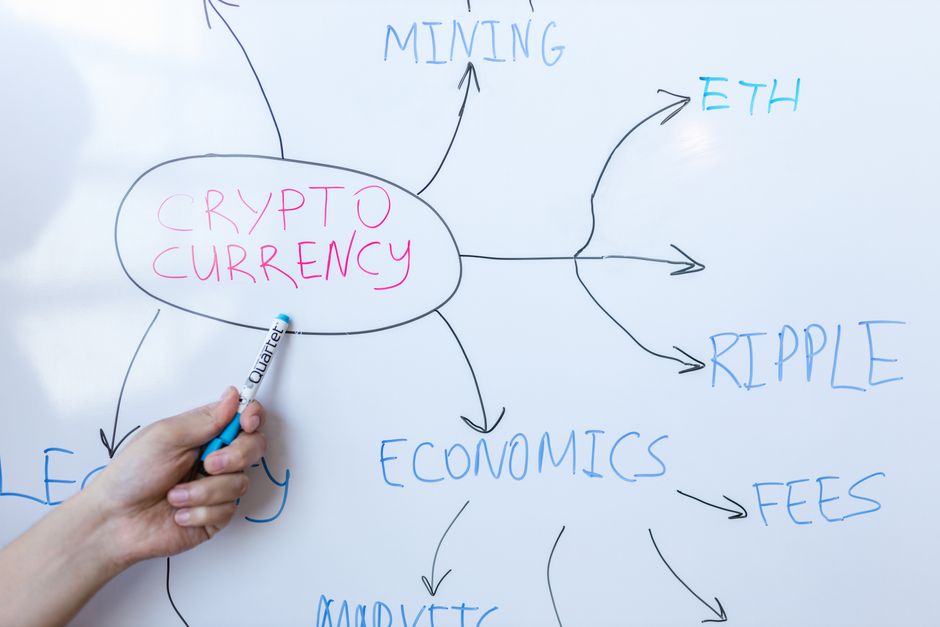
- Analysts say the crisis could accelerate the adoption of crypto payments for international trade, especially in sanctions-heavy regions.
- Crypto markets already showed increased volatility in response to the news.
The First Attack of Its Kind
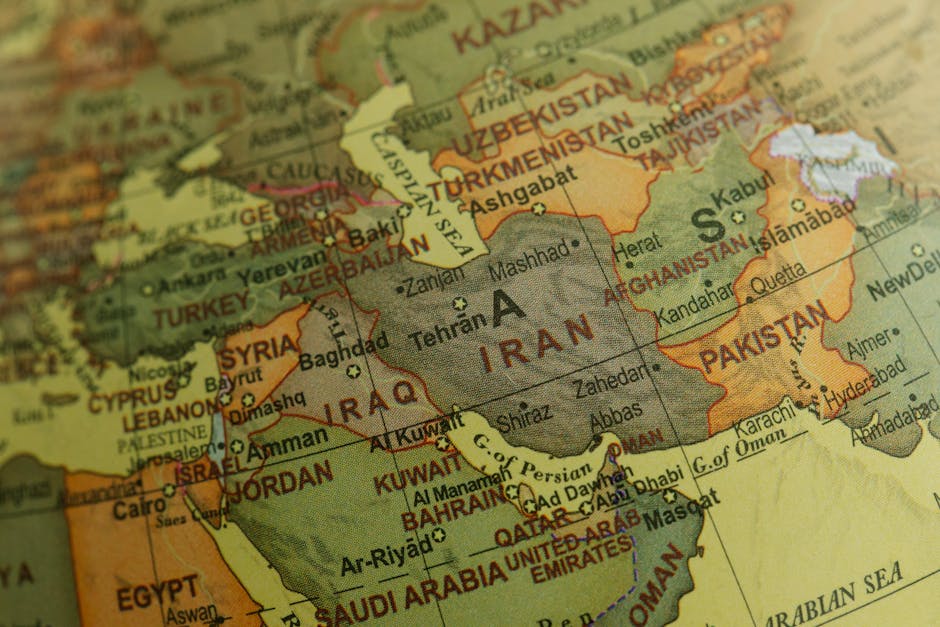
The assault on the Iranian crude oil carrier in the Strait of Hormuz is not just another flashpoint — it is a historical first. According to reports, the vessel was transporting more than 1,000 tons of crude oil when it was hit. The attack’s novelty signals a dangerous escalation in a waterway that carries roughly one-fifth of the world’s petroleum.
In response, US forces struck Iranian military installations near the Strait. Meanwhile, the British military confirmed that three tankers in the same area had also come under fire. No group immediately claimed responsibility, but the coordinated nature of the strikes suggests a deliberate campaign.
Ripple Effects on Global Energy
The Strait of Hormuz is a chokepoint for global energy flows. Any disruption here sends shockwaves through oil and LNG markets. Analysts warn that insurance premiums for vessels transiting the strait are set to climb, while shipping companies may be forced to reroute cargo — adding transit time and costs.
LNG prices are already under pressure as the incident threatens stability in natural gas supply chains. Energy importers from Asia to Europe are watching closely, as any sustained disruption could push prices higher and exacerbate inflationary trends worldwide.
The Crypto Connection
This geopolitical crisis is also rippling through digital asset markets. Crypto Briefing reports that rising tensions near the Strait of Hormuz could directly impact crypto market dynamics — both through inflation fears and via the potential reshaping of maritime trade payments.
Iran, which has faced severe financial sanctions, has long been interested in using cryptocurrencies to bypass traditional banking systems. The attack may accelerate that trend, as countries and traders look for alternatives to dollar-based clearing mechanisms. Bitcoin and other digital assets have historically been viewed as hedges during geopolitical turmoil, and this event may reinforce that narrative.
Regulatory and Market Implications
The escalation could prompt regulatory shifts in how crypto markets interact with geopolitical risk. If trade routes become more volatile, decentralized payment rails could gain traction for cross-border settlements. However, this also increases scrutiny from governments concerned about sanctions evasion.
Energy markets are already pricing in higher risk premiums. The combination of military strikes, insurance uncertainties, and potential supply disruptions creates a volatile backdrop for both traditional and digital assets. Investors should monitor whether the British, US, and Iranian governments take additional steps that could further destabilize the region.
Looking Ahead
The attack on the Iranian cargo ship may be the first of its kind, but it likely will not be the last. The Strait of Hormuz remains a strategic flashpoint with little sign of de-escalation. The immediate consequences — higher energy costs, inflation pressure, and crypto market volatility — are already materializing. Longer term, the crisis could accelerate a fundamental shift toward digital payment systems in international trade, especially among nations under sanctions. The world is watching, and global supply chains are bracing for more turbulence.