A tanker was set ablaze near Oman in an attack reportedly carried out by Iran's IRGC, escalating tensions in the strategic Strait of Hormuz. In a parallel development, Iran and Oman have proposed joint control of the waterway, a move that could trigger global trade disruptions and legal challenges.
What to know
- The IRGC reportedly attacked a tanker near Oman, setting it on fire.
- The attack occurs amid heightened tensions in the Strait of Hormuz, a critical chokepoint for global oil shipments.
- Iran and Oman have proposed joint control of the Strait, citing concerns over tolls and security.
- The joint control proposal may trigger legal challenges under international maritime law and affect strategic maritime routes.
- The incident exacerbates instability in global energy markets and highlights vulnerabilities in maritime trade security.
- Heightened tensions could lead to prolonged disruptions, impacting global oil markets and regional stability.
- The crisis is part of an escalation in 2026, with previous missile strikes and threats of military action.
A Dangerous Escalation
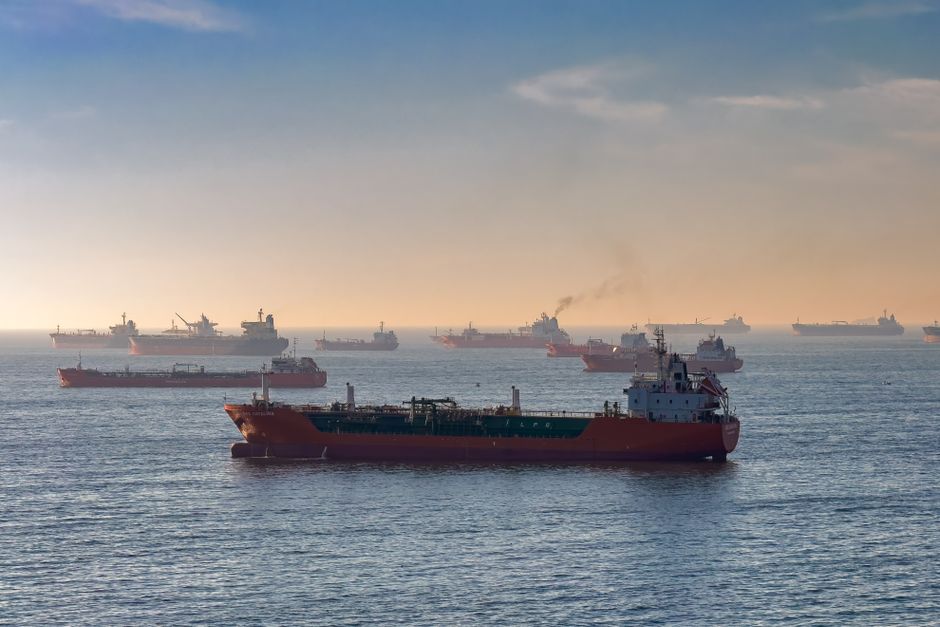
The attack on the tanker marks a significant escalation in the ongoing standoff over the Strait of Hormuz. According to reports, the IRGC targeted the vessel near Oman, setting it on fire. The exact identity of the tanker and its cargo remain undisclosed, but the strike underscores the acute risk to commercial shipping in one of the world's most strategic waterways.
Strait of Hormuz is a narrow passage connecting the Persian Gulf to the Gulf of Oman. The Trend notes that "the tanker attack exacerbates global energy market instability, highlighting vulnerabilities in maritime trade security and potential economic impacts." This is not an isolated event. The timeline includes earlier incidents where Iran fired missiles at ships in the Strait, and warnings from the U.S. that it could eliminate Iran's power grid if no deal is reached. The 2026 crisis is deepening, and the maritime theater is becoming increasingly hostile.
The Joint Control Gambit
Amid the rising violence, Iran and Oman have proposed a joint control regime for the Strait of Hormuz. The rationale includes concerns over tolls — the fees levied on vessels transiting the waterway. But the proposal is far from a simple administrative arrangement.
If implemented, joint control would fundamentally alter the legal status of the Strait. Currently navigated under the principle of transit passage, any bilateral takeover could be contested by other nations, including the United States, China, and European powers that rely on the route. The Trend explicitly states that the proposal "may trigger global trade disruptions and legal challenges, affecting strategic maritime routes and market stability."
The joint control proposal is not just a regional matter — it threatens to rewrite the rules of global commerce.
Legal experts would likely point to the United Nations Convention on the Law of the Sea (UNCLOS), which guarantees freedom of navigation through straits used for international navigation. A joint Iran-Oman regime could be seen as a violation, leading to disputes in international tribunals. Moreover, if Iran — already under sanctions — takes a more active role in managing the Strait, it could weaponize access against adversaries.
Energy Markets Under Pressure
The attack has already exacerbated "global energy market instability," as noted in the report. Traders and analysts are now pricing in a risk premium for oil shipments from the Middle East. While no specific price movements are available in the data, the Trend clearly states that "heightened tensions could lead to prolonged disruptions, impacting global oil markets."
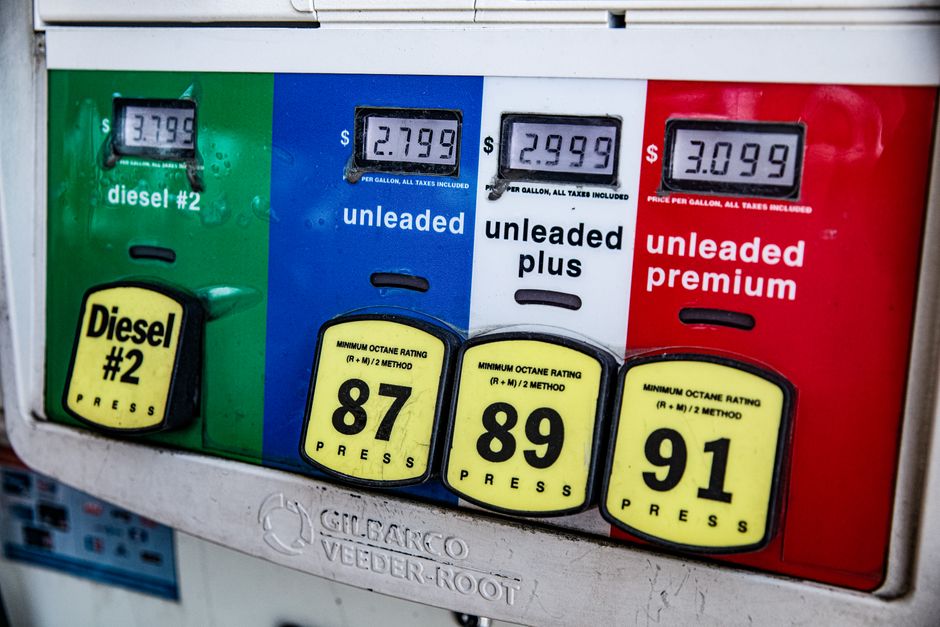
The impact is not limited to crude oil. Refined products, liquefied natural gas, and other commodities that transit the Strait of Hormuz could see delays and higher insurance costs. Shipping companies may reroute vessels, adding time and expense to voyages. The ripple effects would be felt in fuel prices worldwide, from gasoline pumps to jet fuel.
Prolonged disruption in the Strait of Hormuz is a nightmare scenario for energy-importing nations.
Trade and Legal Quagmire
Beyond energy, the broader implications for global trade are severe. The Strait of Hormuz is also a major route for container ships and bulk carriers. Any disruption here cascades through supply chains, affecting everything from electronics to food.
The joint control proposal introduces a legal minefield. How would tolls be collected? Would they apply equally to all nations? Could Iran use its role to discriminate against certain shipping lines? The Trend indicates that "global trade disruptions and legal challenges" are likely outcomes. No country with maritime interests can afford to ignore this.
Furthermore, there are security concerns. If the IRGC — already involved in the tanker attack — becomes part of a joint control force, the Strait could become a flashpoint for confrontation. The U.S. Fifth Fleet is stationed in Bahrain, just across the water. Any attempt to enforce joint control could be met with naval opposition.
The Geopolitical Chessboard
Oman has traditionally played a mediating role in the region, maintaining good relations with both Iran and Western powers. Its willingness to propose joint control reflects a desire to assert sovereignty and perhaps gain economic benefits from tolls. But it also signals a shift away from the status quo.
Iran, meanwhile, is under pressure from sanctions and military threats. The tanker attack and the joint control proposal could be attempts to increase leverage ahead of potential negotiations. However, the risk of miscalculation is high. The timeline includes an event where "heightened tensions and market skepticism suggest increased risk of military escalation, potentially undermining diplomatic resolutions."
The dual-track approach — attack and proposal — leaves observers wondering whether Tehran is seeking confrontation or negotiation.
Looking Ahead
The next steps are uncertain. The tanker attack and the joint control proposal could lead to a naval buildup in the region. Diplomatic channels may open, but the legal challenges will take years to resolve. In the short term, oil markets will remain volatile, and shipping insurance premiums will rise.
Global powers must weigh their responses carefully. The U.S. has already demonstrated a willingness to threaten military action. Other nations, including China and India, which are heavily dependent on Strait of Hormuz oil, may push for a multilateral solution.
What is clear is that the Strait of Hormuz has become the central theater of a 2026 crisis that shows no signs of abating. The attack on the tanker is a grim reminder that in this crowded waterway, any spark can ignite a much larger fire.