Brent crude’s dramatic spike above $100 has given way to relative calm, but the geopolitics remain explosive. With diplomacy tentatively re-emerging and crypto markets catching the shockwaves, the macro picture is far from settled.
What to Know
- Brent crude surged past $100 per barrel during the early phase of the US-Iran conflict, but has since dropped back to a range of $75 to $83.
- The retreat coincides with Secretary of State Rubio’s public signals that the US is open to diplomatic engagement with Iran after nine consecutive nights of airstrikes.
- A projectile strike near Urmia in Iran’s West Azerbaijan Province extends a pattern of escalation that has kept both oil and crypto traders on edge.
- Crypto markets absorbed $350 million in liquidations, with Bitcoin experiencing heightened volatility as the conflict unfolded.
- Oil prices have remained relatively stable despite five months of hostilities, challenging the conventional safe-haven narrative for both commodities and digital assets.
- The timeline of events includes Iran shooting down a drone, IRGC claims of strikes on US radar in Kuwait, and the Urmia projectile strike before the diplomatic overture.
The Great Retreat: From $100 to Stability
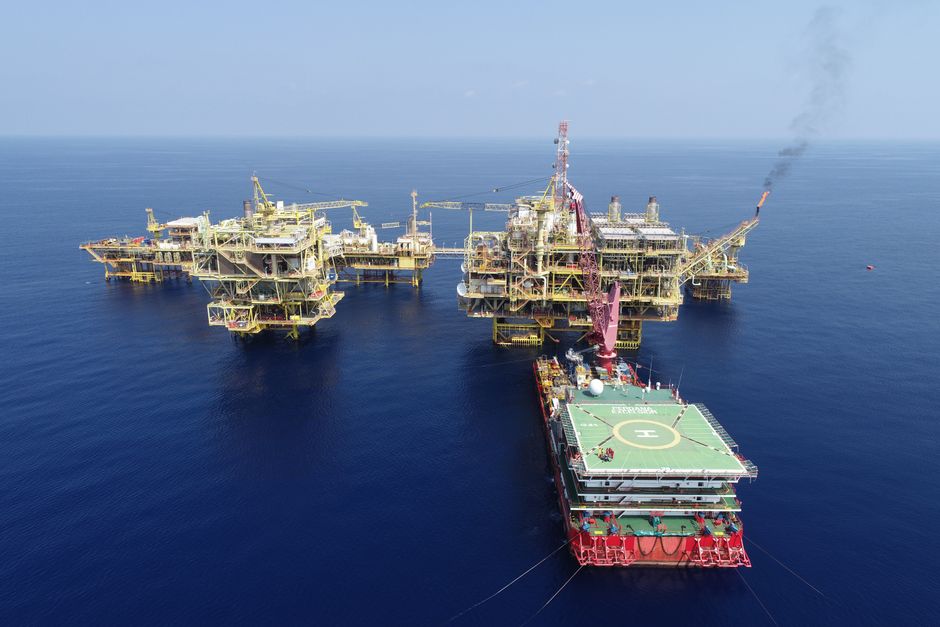
When the first airstrikes lit up the skies over Iran, Brent crude shot past $100 a barrel. Traders braced for a prolonged supply shock, and the risk premium on Middle Eastern oil inflated fast. Within days, however, the crude market reversed course. Brent settled into a $75–$83 corridor, erasing the gains that came with the initial shock.
The drop from triple digits to the mid-$70s marks the largest oil price reversal since the conflict began, yet the broader trend suggests a market that refuses to panic.
What drove the retreat? Part of it is technical — speculators who piled into longs after the drone incidents rapidly liquidated. But the bigger factor is a recalibration of perceived risk. Despite nine nights of airstrikes, actual supply disruptions have been limited. Iran’s export routes remain partially open, and the US has not imposed new naval blockades. The market is pricing in a conflict that is destructive but not yet catastrophic for global oil flows.
Diplomacy After Nine Nights of Fire
The bombing campaign had run its course, and on the tenth day, Secretary of State Rubio stepped before cameras to announce a change in tone. The US was open to diplomacy with Iran. The statement came after a sustained barrage that had targeted military installations, radar sites, and drone facilities.
The pivot toward dialogue, after nearly ten days of sustained bombardment, represents a potential turning point in a conflict that had seemed destined for further escalation.
For oil markets, the diplomatic signal immediately erased some of the risk premium. Brent crude fell further as traders began to discount a de-escalation scenario. Yet the situation remains fragile. Rubio’s openness is not a ceasefire, and Iran’s leadership has not reciprocated. The window for negotiation is narrow, and any fresh incident could reignite the price surge.
Projectile Strikes Near Urmia: A Flashpoint
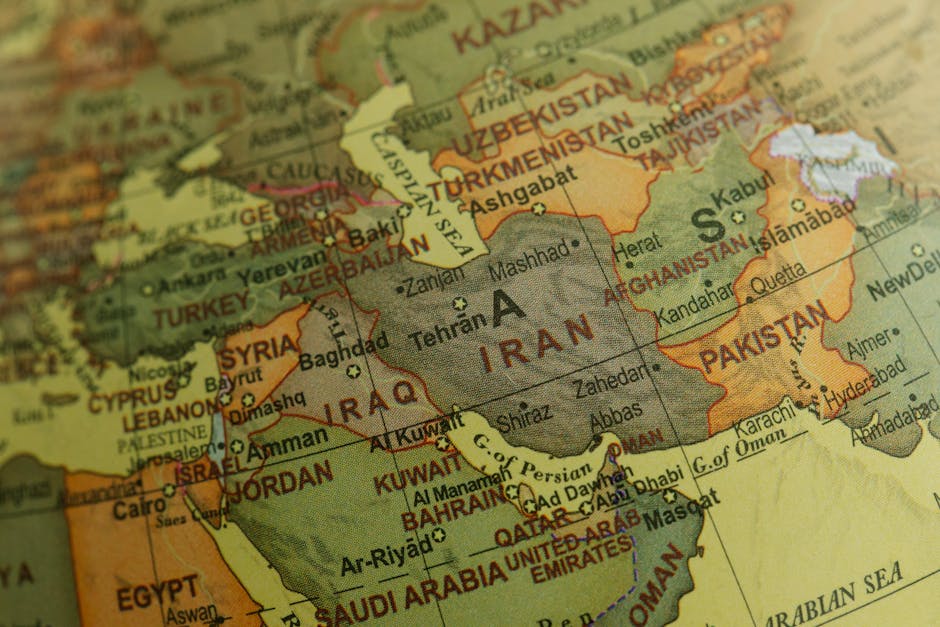
Even as diplomacy was being floated, a projectile struck near Urmia in Iran’s West Azerbaijan Province. The attack was not claimed, but it fits a pattern of kinetic events that have both preceded and followed major policy shifts in this conflict.
The Urmia strike serves as a blunt reminder that the underlying tensions remain unresolved, no matter how conciliatory the rhetoric becomes.
Urmia sits near the border with Turkey and Iraq, close to key overland oil transit routes. While not a direct threat to maritime shipping, the strike signals that the conflict is expanding geographically. For Bitcoin and crypto markets, any escalation in this region historically triggers volatility spikes, as traders flee risk assets or reposition for dollar liquidity crunches.
Crypto Markets Under the Gun
The $350 million in liquidations across crypto derivatives markets occurred as Bitcoin dipped amid the barrage of headlines. The correlation between Middle East tensions and crypto volatility has been a recurring theme throughout 2026. Each strike, each claim of destroyed radar systems, each diplomatic hint pushes levered positions into the red.
$350 million in liquidations in a single day underscores how geopolitical shocks ripple through digital asset markets, where thin order books amplify moves.
Bitcoin fell alongside the initial oil spike, then recovered partially on the diplomacy news. The pattern suggests that crypto is being treated less as a safe haven and more as a high-beta risk asset tied to global uncertainty. When the US-Iran conflict escalated, traders sold everything; when de-escalation appeared, they bought back. The safe-haven narrative — that Bitcoin is digital gold — took another hit.
What Oil Stability Means for Safe-Haven Narratives
If a five-month war cannot keep Brent crude above $100, what does that say about the reliability of commodities as hedges? And by extension, Bitcoin’s claim to being a store of value?
The stability of oil prices despite a prolonged conflict suggests that markets are either desensitizing to geopolitics or that supply-side resilience is stronger than assumed. For crypto, the implication is that Bitcoin may need a fundamentally different catalyst — such as monetary debasement or regulatory clarity — to stage a sustained safe-haven rally.
The same forces that kept oil from exploding — ample strategic reserves, reduced demand forecasts, and financial speculation — also cap Bitcoin’s flight-to-quality bids.
Both markets are now watching the diplomatic channel. If Rubio’s overture leads to a formal ceasefire, oil could drift back toward $70, and Bitcoin might find support from a broader risk-on environment. If talks break down, prepare for another spike in both volatility and liquidation events.
Looking Ahead
The next 48 hours will be critical. US and Iran have not yet scheduled direct talks, but backchannel communications are likely. The Urmia strike may either be the last incident before a halt or the spark for a new round of retaliation. Brent crude is caught between $75 support and $83 resistance, while Bitcoin traders are eyeing the liquidation cascade for clues about market stability.
The safe-haven narrative is not dead, but it is being tested severely. Investors should watch the Middle East headlines more than any technical chart for direction.