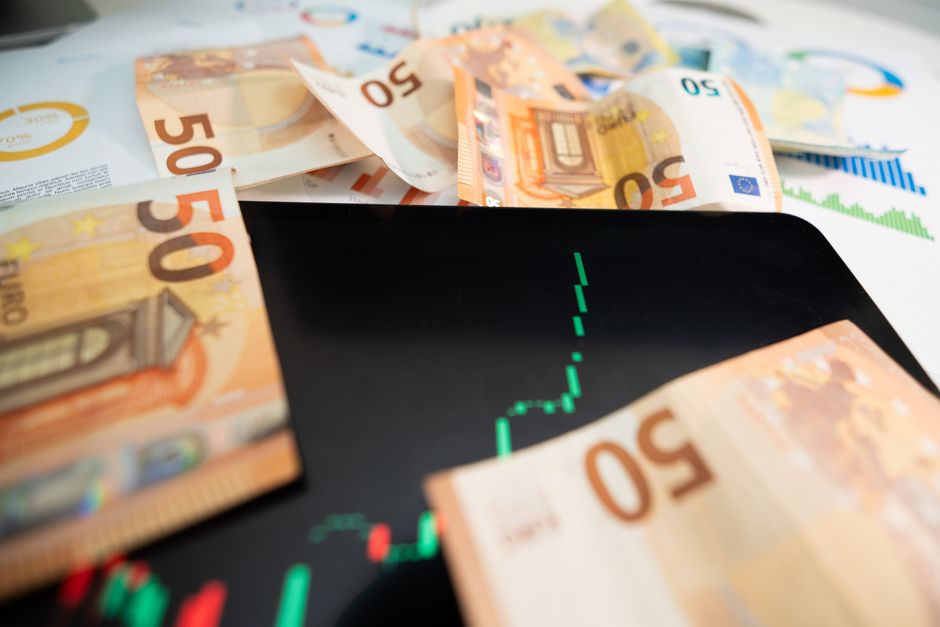
The European Central Bank has broken a three-year pause, lifting its benchmark rate to 2.25% as President Christine Lagarde warns that energy shocks continue to fuel inflation. For crypto markets, the signal is unmistakable: the era of cheap money is not returning anytime soon.
What to know
- The European Central Bank raised its deposit facility rate by 25 basis points to 2.25% — the first increase since 2023.
- President Christine Lagarde said inflation expectations remain “anchored” at 2%, but noted that energy shocks are the primary driver of euro area inflation.
- Lagarde also warned of weakening labor market expectations, signaling potential headwinds for the broader economy.
- The move arrives as the US 2-year Treasury yield surged to a multi-year high, adding pressure to global risk assets.
- Crypto markets are expected to feel the pinch, as tighter ECB policy reduces euro liquidity and may dampen speculative demand.
- Oil price expectations are rising sharply: prediction markets now assign a 16.5% probability that crude oil will reach a new all-time high by December 31.
- The ECB’s decision underscores the central bank’s commitment to price stability, even as growth concerns mount.
A Policy Reversal After Three Years
The ECB’s decision to hike rates marks a significant pivot. After holding steady at 2.00% since mid-2023, the Governing Council opted for a 25-basis-point increase to 2.25% in July 2026. The move caught many off guard, as markets had largely priced in a hold following recent economic softening in the eurozone.
Lagarde, in her post-meeting press conference, struck a hawkish tone. She emphasized that inflation expectations remain “well anchored” at the 2% target, suggesting the bank still sees upside risks to prices. Her remarks directly linked the inflationary pressure to energy shocks — a factor that has been buffeting the euro area since the energy crisis began.
“The energy component remains the dominant force behind headline inflation,” Lagarde stated, according to reports from Crypto Briefing. “We see no de-anchoring of expectations, but the path back to 2% is not yet assured.”
Implications for Crypto Markets
For crypto investors, the ECB rate hike is a double-edged sword. On one hand, higher rates in the eurozone strengthen the euro relative to the dollar, potentially reducing the appeal of dollar-denominated assets like Bitcoin. On the other, tighter monetary policy globally tends to drain speculative liquidity, which can hit crypto markets hard.
The timing is particularly delicate. Bitcoin and other digital assets have been struggling to reclaim their highs amid a broader risk-off mood. The US 2-year Treasury yield recently surged to levels not seen in a decade, drawing capital away from risk assets. Now, with the ECB joining the Fed in a hawkish stance, the combined tightening could intensify the pressure.
Yet there are nuances. Some analysts argue that crypto markets have become more resilient to macro shocks. The 2026 rate hike, while significant, is modest compared to the aggressive tightening cycles of 2022-2023. Moreover, the ECB’s move could accelerate institutional adoption if investors view crypto as a hedge against fiat debasement — though that argument weakens when real yields rise.
Key takeaway: The ECB rate hike reinforces the global trend toward tighter money. Crypto investors should brace for continued volatility, but the long-term structural drivers — such as decentralized finance and institutional custody — remain intact.
Energy Shocks and the Oil Price Outlook
Lagarde’s focus on energy shocks is not theoretical. The eurozone continues to grapple with volatile energy prices, exacerbated by geopolitical tensions and supply constraints. The ECB’s decision comes amid rising oil price expectations: prediction markets now give 16.5% odds that crude oil will hit a new all-time high by December 31.
This is a stark reminder that inflation is far from vanquished. If oil prices surge again, the ECB may be forced to raise rates further, potentially tipping the eurozone into recession. For crypto, such an outcome could lead to a flight to safety, benefiting assets like gold but possibly hurting Bitcoin in the short term.
Weakening Labor Markets: A Warning Signal
In addition to energy concerns, Lagarde flagged a deterioration in labor market expectations. While unemployment remains low, forward-looking indicators suggest hiring may slow. The ECB’s own projections point to a softening jobs market in the coming quarters.
This adds a layer of complexity. If the eurozone economy weakens while inflation persists, the ECB could face a stagflationary scenario — one in which rate hikes become difficult to sustain. Crypto markets, which thrive on low-interest-rate environments, would find such conditions challenging.
Key takeaway: Weakening labor markets could limit the ECB’s ability to keep hiking. Any dovish pivot in the future would be a bullish signal for digital assets.
A Coordinated Policy Squeeze?
Notably, the ECB’s move coincides with a surge in the US 2-year Treasury yield, which reached 4% around the same time. This suggests a coordinated tightening of financial conditions across the Atlantic. For crypto, which is highly sensitive to global liquidity, this is a headwind.
The US 2-year yield is a proxy for short-term interest rate expectations. As it rises, the opportunity cost of holding non-yielding assets like Bitcoin increases. The ECB hike reinforces that message, potentially pushing crypto to test lower support levels.
Looking Ahead
The ECB’s rate hike to 2.25% is a clear signal that the fight against inflation is not over. With energy shocks persisting and labor markets softening, the central bank faces a delicate balancing act. For crypto markets, the immediate outlook is cautious: tighter monetary policy may suppress prices in the near term. However, if the ECB’s actions lead to a recession, the subsequent rate cuts could reignite risk appetite and fuel a crypto rally.
Attention now turns to the Fed’s next move and the trajectory of oil prices. Prediction markets are already betting on a historic oil spike — a development that would force all central banks to stay hawkish. In that scenario, crypto would need to prove its worth as a hedge against inflation, not just a risk asset.
For now, the message from Frankfurt is clear: rates are going up, and volatility is here to stay.