As India halts Iraqi oil loadings and China slashes Iranian crude imports, the global oil market is caught between supply risks and diplomatic maneuvers.
What to know
- Indian refiners have halted loadings of Iraqi crude oil due to heightened security risks in the Strait of Hormuz.
- China has reduced its imports of Iranian crude oil by 40%, under reported US pressure.
- Halliburton has secured a five-year contract with Basra Oil to provide field services in Iraq.
- The South African rand strengthened as oil prices dropped amid US-Iran mediation hopes.
- Prediction markets indicate a 6.2% chance of a new all-time high for crude oil before September 30.
- WTI reaching $110 in July 2026 is given a 2.1% probability.
The Strait of Hormuz Shadow
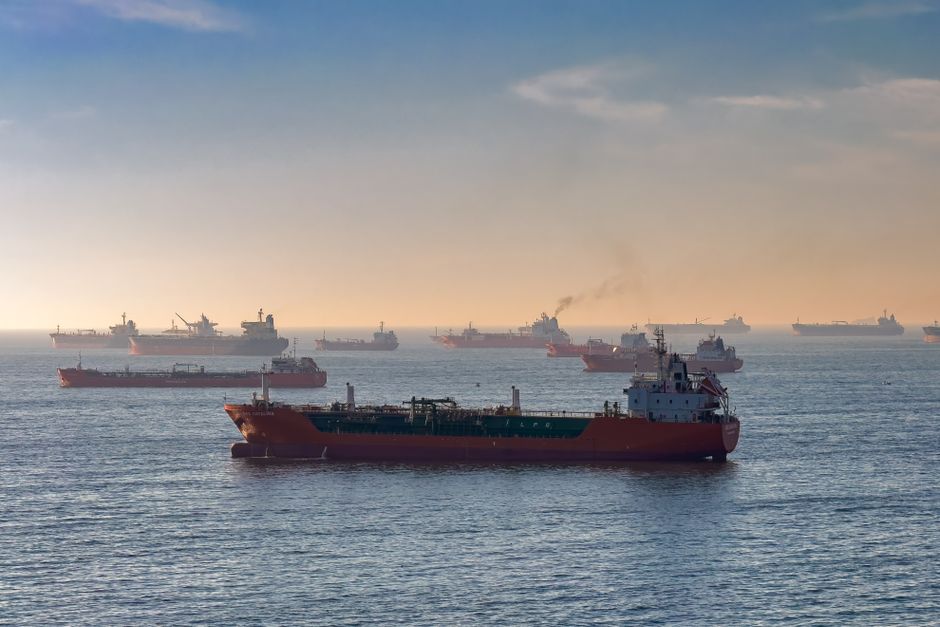
The decision by Indian refiners to halt Iraqi oil loadings underscores the growing nervousness around the world’s most critical oil chokepoint. The Strait of Hormuz, through which a significant portion of global oil supplies passes, has become a flashpoint. While no specific incident is cited in the report, the security risks are serious enough to force operational pauses.
This move by India sends a clear signal to markets that supply disruptions in the region are no longer theoretical. The halt affects Iraqi crude specifically, a key supplier for India. It also adds to the broader risk premium that traders are already pricing into oil futures.
India, the world's third-largest oil importer, is now actively reducing exposure to Middle East crude routed through Hormuz.
A parallel disruption came from the US Gulf of Mexico, where Chevron halted operations due to Tropical Storm Bertha on the same day. These twin events — one geopolitical, one meteorological — are converging to tighten global supply.
China’s Strategic Retreat
Meanwhile, China has taken a different but equally impactful step. Beijing has cut its imports of Iranian crude oil by 40%. The report links this reduction to pressure from the US. This is a significant development given China has historically been a major buyer of Iranian oil, often circumventing sanctions.
A 40% cut suggests a strategic recalibration, possibly in exchange for trade concessions or to avoid secondary sanctions. The move removes a substantial volume of supply from the market, contributing to tightening global balances.
China's 40% cut in Iranian crude imports is one of the biggest single reductions in recent years.
For Iran, this is a serious blow. With its largest remaining customer scaling back, Tehran’s revenue stream from oil exports narrows further. This may increase the incentive for diplomatic engagement with the US, as hinted by the mediation hopes that also boosted emerging market currencies.
Halliburton and the Iraq Opportunity
Amid the turmoil, there are signs of business continuity in Iraq. Halliburton, the oilfield services giant, has secured a five-year contract with Basra Oil for field services. This contract suggests that while export routes are threatened, Iraq intends to maintain and possibly boost production capacity.
It also indicates that international oil service companies see long-term value in the Iraqi oil sector, despite the regional instability. Halliburton’s commitment runs counter to the pullback signals from India and China.
Halliburton’s five-year deal with Basra Oil is a bet on Iraq’s production staying strong even if exports face headwinds.
Iraq is the second-largest OPEC producer, and the contract underscores that the fight for market share isn’t just about shipping — it’s about securing the capacity to pump.
A Surprising Beneficiary: South Africa
One unexpected data point from the same day: the South African rand strengthened as oil prices dropped amid hopes of US-Iran mediation. This highlights how interconnected global risk assets are. Lower oil prices ease inflationary pressure on emerging economies like South Africa, strengthening their currencies.
The mediation hopes suggest that diplomatic channels remain active, even as other indicators point to conflict. Markets are pricing in a scenario where de-escalation could unlock supply and lower prices — but that outcome is far from certain.
The South African rand's gain is a reminder that oil markets and currency markets are tied by a thread of geopolitics.
Looking Ahead
The confluence of these events paints a picture of a market in flux. On one hand, supply risks from Hormuz and reduced Iranian flows push prices upward. On the other, potential mediation and new contracts like Halliburton's signal some stability. The prediction market’s 6.2% chance of a new all-time high by September 30 reflects genuine uncertainty.
Investors should watch for further signs of diplomatic progress or new security incidents. The actions of India and China, two of the world’s largest crude importers, will be decisive. If both continue to step back from Hormuz-linked and Iranian crude, the scramble for alternative supplies will intensify, potentially pushing prices toward new records.
The coming weeks will test whether diplomacy can catch up with the disruption already in motion.