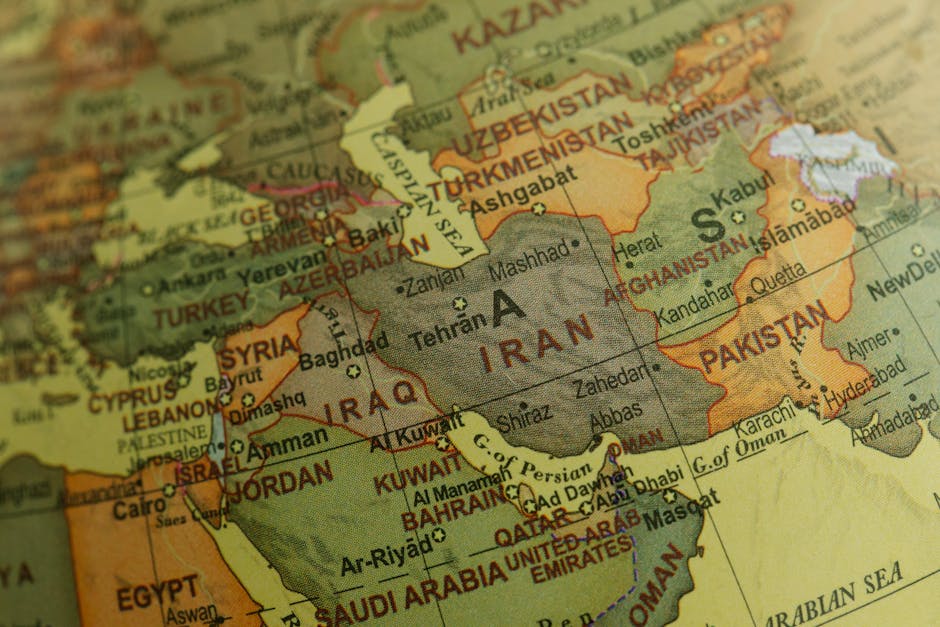
In a dramatic escalation that threatens the global energy trade, Iran has closed the Strait of Hormuz, sending shockwaves through oil and LNG markets worldwide.
What to know
- Iran closed the Strait of Hormuz on July 13, 2026, directly impacting global oil and LNG markets.
- The closure exacerbates geopolitical tensions, potentially driving energy market volatility and influencing global economic stability.
- Bahrain successfully intercepted Iranian air attacks, a defense success that may shift regional power dynamics and reduce the perceived Iranian threat.
- Iranian missile strikes caused extensive damage to US military bases in the Gulf region, escalating US-Iran tensions.
- The escalation heightens risks for Gulf shipping routes, impacting global trade.
- Diplomatic talks between Iran, Qatar, and Oman continue, aiming to prevent further escalation.
The Strait of Hormuz: A Strategic Chokepoint
The Strait of Hormuz is a narrow waterway that carries a significant portion of the world's seaborne oil and liquefied natural gas. By closing it, Iran has effectively blocked one of the most vital arteries of global energy trade. The immediate consequence is a surge in uncertainty across oil and LNG markets, with traders and governments scrambling to assess supply disruptions.
This closure does not happen in a vacuum. It is the culmination of a sequence of hostile exchanges that have turned the Gulf into a flashpoint once again.
Escalating Military Exchanges
Prior to the closure, Iranian missile strikes caused extensive damage to US military bases in the Gulf region. These attacks mark a significant escalation in direct confrontation between Tehran and Washington, complicating any existing diplomatic channels. The strikes also triggered a response from Bahrain, which successfully intercepted Iranian air attacks. Bahrain's defense success is noteworthy — it demonstrates that regional allies can counter Iranian capabilities, potentially altering the balance of power.
The interception by Bahrain may reduce the perceived threat from Iran and could encourage other Gulf states to adopt a more assertive stance.
Regional Power Dynamics
The ability of Bahrain to defend its airspace against Iranian attacks shifts the narrative. For years, Iran has been seen as a dominant military force in the region. Now, Bahrain has shown that Iran's aerial threats can be neutralized. This could influence regional alliances and investment flows, as Gulf markets reassess stability risks.
However, the broader context remains dire. The Iranian missile strikes on US bases signal that Tehran is willing to escalate despite potential consequences. The resulting US-Iran tensions have already spiked, and the nuclear inspection regime faces new complications.
Global Market Fallout
The Strait of Hormuz closure has an immediate and profound effect on energy markets. Oil and LNG prices are likely to experience heightened volatility as supply routes are cut off. Global economic stability is now under threat, with shipping routes in the Gulf becoming high-risk zones. Insurers may raise premiums, and alternative supply routes will be tested.
The closure of the Strait of Hormuz threatens to disrupt energy supplies that power much of the global economy.
Investors and policymakers are watching closely. Any prolonged closure could lead to a sustained spike in energy costs, feeding inflation and slowing economic growth worldwide. The interconnected nature of global trade means that the ripple effects will be felt far beyond the Gulf.
Diplomatic Undercurrents
Amid the military escalation, diplomatic channels remain active. Iran is continuing talks with Qatar and Oman to prevent a full-scale war. These negotiations are critical — they represent the last lifeline for de-escalation. At the same time, the nuclear inspection issue, already strained, becomes even more complicated as trust erodes.
The success of these talks could determine whether the Strait of Hormuz reopens quickly or remains a closed artery for weeks or months. The stakes could not be higher.
Looking Ahead
The closure of the Strait of Hormuz is not just a regional crisis — it is a global economic event. Markets will remain on edge as they weigh the odds of further military action versus a diplomatic breakthrough. The coming days will be crucial: if Bahrain's defense success emboldens other Gulf states, the power dynamic may shift; if Iran retaliates further, the conflict could spiral.
For now, the world watches the Gulf — and the oil tankers queued outside the Strait of Hormuz — with bated breath. The next move will define the trajectory of energy markets and geopolitical stability for the foreseeable future.