Iran's decision to shut the strategic waterway marks a dangerous escalation, triggering supply fears, a spike in oil prices, and a selloff in US futures. Oil majors are reaping windfall profits even as governments grapple with the fallout.
What to know
- Iran closed the Strait of Hormuz, escalating tensions with the US.
- Brent crude oil jumped 3% as supply fears gripped the market.
- US stock futures dipped, reflecting growing geopolitical risk.
- Oil companies’ Q2 profits soared amid the crisis, prompting government discontent.
- Global markets face potential destabilization and strategic responses.
- Governments are under pressure to address rising consumer costs.
The Strait of Hormuz Closure
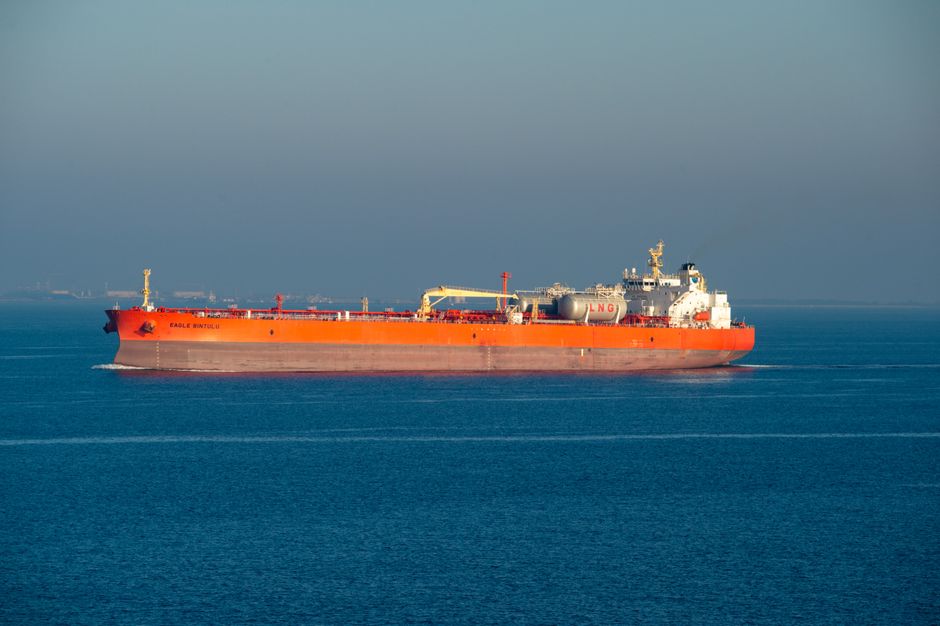
Iran's decision to close the Strait of Hormuz is a drastic move that directly threatens one of the world's most critical energy arteries. The waterway handles a substantial portion of global oil trade, and any disruption sends immediate shockwaves through markets. The move comes amid escalating US-Iran tensions and follows earlier incidents involving IRGC firing at commercial shipping.
Brent crude jumped 3% almost instantly, a clear signal of the market's fragility.
Oil Markets in Turmoil
The immediate reaction was a sharp spike in oil prices. Brent crude gained 3%, with analysts warning of further volatility. Supply concerns are now front and center, as the closure could persist and choke off shipments from key producers in the region. The event also influences geopolitical risk assessments, with hedge funds and traders scrambling to adjust positions.
Stock Futures and Global Markets
US stock futures dipped on the news, reflecting investor anxiety. The closure threatens not just energy supplies but the broader economic outlook. Rising oil prices could feed into inflation, squeezing consumers and businesses. The global economy, already navigating high interest rates and slow growth, now faces a new headwind.
Oil Profits and Consumer Costs
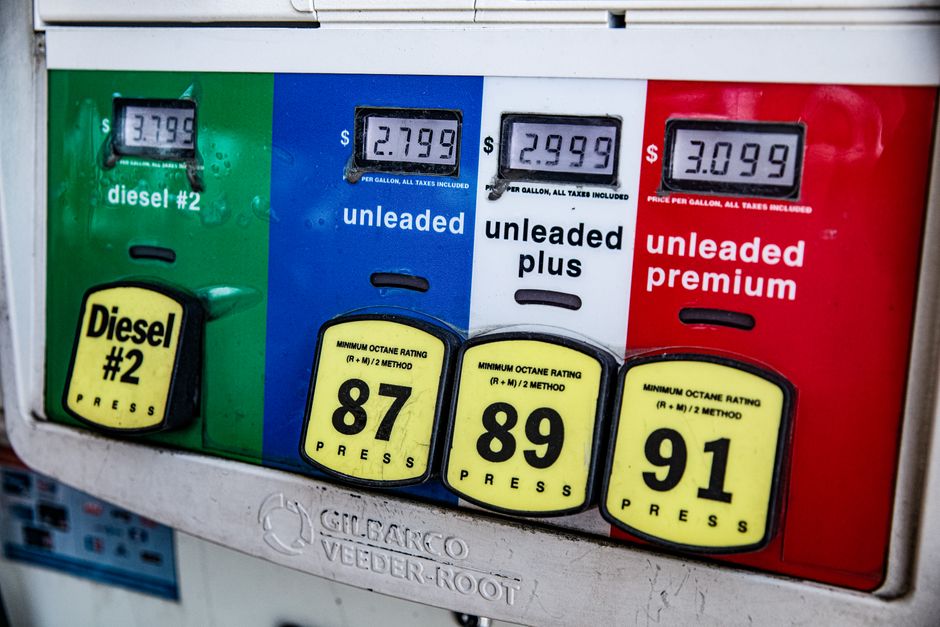
Paradoxically, oil companies are benefiting from the turmoil. Q2 profits surged amid the tensions, drawing ire from governments already dealing with consumer backlash over high energy prices. Governments are now under pressure to intervene—whether through windfall taxes, strategic releases, or price caps—as the cost burden shifts to households.
Geopolitical Fallout
The Strait of Hormuz closure is more than an economic event; it is a major geopolitical escalation. The US and Iran are now locked in a direct confrontation at sea, with potential for wider conflict. The international community has called for restraint, but strategic responses are being prepared. The move could reshape alliances, energy policy, and military postures in the Gulf region.
Looking Ahead
The situation remains fluid. Key questions hang over markets: How long will the closure last? Will the US respond militarily or diplomatically? Can alternative supply routes mitigate the damage? For now, volatility is the only certainty. Investors, governments, and consumers alike are bracing for a prolonged period of uncertainty, with the Strait of Hormuz at the center of a global crisis.