The Persian Gulf is on fire. After a ship attack in the Strait of Hormuz, the United States hit 140 Iranian targets. Kuwait intercepted incoming drones. Qatar condemned the escalation. Markets are trembling.
What to know
- The U.S. struck 140 Iranian positions in retaliation for a ship attack in the Strait of Hormuz.
- Kuwait intercepted Iranian drones and missiles, underscoring the vulnerability of Gulf air defenses.
- Qatar publicly condemned the attacks, warning that diplomacy is at risk.
- Analysts now see a heightened probability of a ground invasion and broader military engagement.
- Regional instability is already impacting global market expectations for conflict.
- The missile breach in Jordan earlier highlighted systemic defense gaps across the region.
Echoes of War in the Gulf
The Middle East is once again teetering on the edge of a full-scale confrontation. What began as a maritime incident in the Strait of Hormuz — a ship attack attributed to Iran — has rapidly snowballed into the most significant U.S.-Iran military exchange in years. On July 12, 2026, the U.S. military confirmed it had struck 140 Iranian targets, a response that went far beyond symbolic retaliation.
The Strait of Hormuz is the world's most critical oil chokepoint. Any disruption here sends shockwaves through global energy markets.
The strikes mark a clear departure from the limited, calibrated responses seen in previous years. This time, Washington is signaling a willingness to escalate — and Iran is responding in kind.
The Trigger: A Ship Under Fire
The immediate cause of the escalation was an attack on a vessel transiting the Strait of Hormuz. While details of the ship and casualties remain scarce, the incident was severe enough to trigger a massive U.S. retaliatory campaign. Within hours, American warplanes and naval assets had struck 140 military sites inside Iran, including missile batteries, drone launch pads, and command nodes.
The scale of the operation is unprecedented in the context of U.S.-Iran hostilities. Past tit-for-tat exchanges were measured in single-digit strikes. This time, the numbers tell a different story.
140 targets. That is not a warning shot. That is a campaign.
A Spreading Fire: Kuwait and the Gulf
As the U.S. strikes unfolded, Iran retaliated with drones and missiles aimed at Kuwait. The Emirati state’s air defense systems managed to intercept the incoming threats, but the fact that they were targeted at all marks a dangerous new phase.
Kuwait has long been one of the quieter Gulf states, avoiding direct confrontation. Now it is on the front line. Intelligence assessments suggest that Iran is testing the air defense capabilities of Gulf states, probing for weaknesses.
“The missile breach underscores vulnerabilities in regional defense systems,” noted a report from Crypto Briefing.
This is not just about Kuwait. Every Gulf state — from Qatar to the UAE — is now reassessing its security posture. The ability of Iran to launch multi-vector attacks across borders has been demonstrated, and it changes the calculus for the entire region.
Diplomacy Under Strain: Qatar’s Condemnation
Qatar, which has historically played a mediating role in regional conflicts, issued a rare and sharp condemnation of the attacks. In a statement, Doha warned that the escalation “threatens regional stability, potentially derailing diplomatic efforts.”
The condemnation is significant. Qatar maintains ties with both Iran and the U.S., and its shift to a more confrontational tone suggests that diplomatic channels are closing. If Qatar — often the bridge — cannot hold, the path to de-escalation narrows dramatically.
- Qatar has hosted peace talks before. This time, it’s calling out the violence.
- The timing is critical: any ceasefire or negotiation window is shrinking.
Markets on Edge: The Price of Conflict
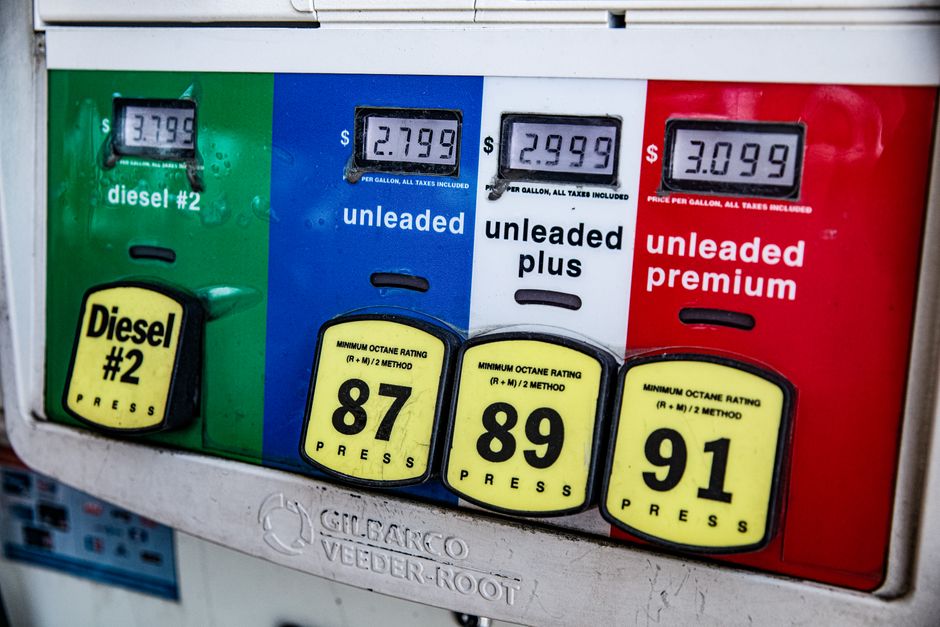
Financial markets are already reacting. The conflict is impacting “market conflict expectations,” with investors pricing in a higher probability of sustained military engagement. Oil prices are surging — the Strait of Hormuz is effectively a war zone — and safe-haven assets like gold and the dollar are seeing inflows.
Cryptocurrency markets are not immune. Historically, Bitcoin and other digital assets have reacted to geopolitical shocks with volatility. While the current trend does not specify crypto market moves, the uncertainty adds another layer of risk for traders.
For Gulf states, the economic toll is twofold: defense spending will rise, while tourism and investment may freeze.
The threat to regional stability is, as one analyst put it, “a threat to global stability.” That is not hyperbole. A conflict involving Iran, the U.S., and Gulf states has direct implications for energy supply chains, shipping routes, and global inflation.
What Comes Next: Invasion Scenarios
The key question now is whether the U.S. intends to follow up airstrikes with ground operations. “Invasion fears” are no longer abstract — they are being discussed in defense circles as a realistic possibility.
Several factors point toward further escalation:
- Iran’s missile and drone capabilities remain intact despite 140 targets hit.
- Kuwait’s interception proves the threat is active and ongoing.
- Qatar’s condemnation signals that diplomatic off-ramps are closing.
- The U.S. has committed significant military resources, making a quick retreat politically difficult.
However, a full-scale invasion is not inevitable. The U.S. may choose to maintain air and naval pressure while leveraging economic sanctions. But with each passing day of missile exchanges, the path to war becomes smoother.
Looking Ahead
The coming week will be decisive. If Iran launches another major strike, the U.S. will likely escalate further. If Kuwait or other Gulf states are hit again, the conflict could widen into a regional war. Diplomats in Qatar and beyond are scrambling, but the window for a ceasefire is narrow.
For the rest of the world, this is a moment to watch closely. The Strait of Hormuz is a fragile artery. The Gulf is a powder keg. And the fuse is burning fast.