The most extensive Iranian assault since the ceasefire collapse has struck two strategic U.S. and allied positions, igniting fires at the US Navy Fifth Fleet in Bahrain and hitting Prince Hassan Air Base in Jordan.
What to know
- A missile strike ignited a fire at the US Navy Fifth Fleet in Bahrain, underscoring vulnerabilities in Gulf maritime security.
- Iran also attacked Prince Hassan Air Base in Jordan, signaling a wider geographic escalation.
- The assault is the most extensive since the ceasefire collapse, according to reports.
- UAE has activated its air-defense systems amid rising missile threats.
- Qatar has raised its security threat level to high due to escalating tensions.
- The attacks threaten to destabilize key maritime routes in the Gulf, impacting global oil supply dynamics.
- The escalation reduces chances for diplomatic solutions and increases the risk of further U.S.-Iran conflict.
- Market perceptions are shifting as geopolitical dynamics signal potential regional destabilization.
The Strikes That Shook the Gulf
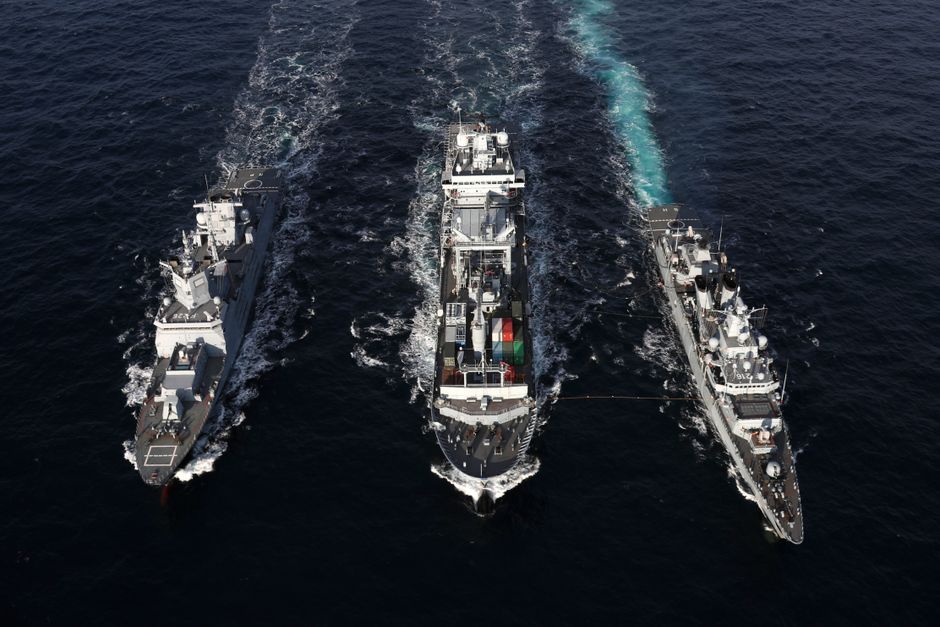
The coordinated nature of the attacks reveals a new phase in the ongoing confrontation between Iran and the United States and its regional partners. On 2026-07-12, a missile strike directly ignited a fire at the US Navy Fifth Fleet stationed in Bahrain. This is not merely a provocative act — it is a direct hit on the operational nerve center of American naval power in the Gulf. The fire, while still being assessed, represents a tangible breach of naval security that experts have long feared.
Simultaneously, Iran launched an attack on Prince Hassan Air Base in Jordan, expanding the theater of conflict beyond the Gulf littoral into the Levant. The air base is a key logistics hub for coalition operations in the region. This two-pronged assault demonstrates a willingness to target both maritime and land-based assets across multiple countries.
These actions follow a sequence of escalating moves in recent days. The UAE activated its air-defense systems as missile threats increased. Qatar raised its security threat level to high, reflecting the pervasive sense of vulnerability among Gulf states. The activation of air defenses and threat level upgrades indicate that intelligence warnings were already circulating before the strikes landed.
Oil, Routes, and Regional Stability
The attacks directly threaten the Strait of Hormuz and other critical chokepoints for global oil shipments. The Gulf is the passage for nearly one-third of the world's seaborne oil. Any disruption here reverberates through global markets, affecting prices, supply chains, and energy security for every major economy.
The incident underscores regional security vulnerabilities that go beyond the immediate damage. Maritime routes are the lifeblood of the global economy, and the US Navy Fifth Fleet's mission includes ensuring freedom of navigation. A successful strike on the Fifth Fleet signals to shipping companies and insurers that the Gulf is no longer a safe transit area. This could lead to skyrocketing insurance premiums, rerouting of tankers, and a de facto partial blockade.
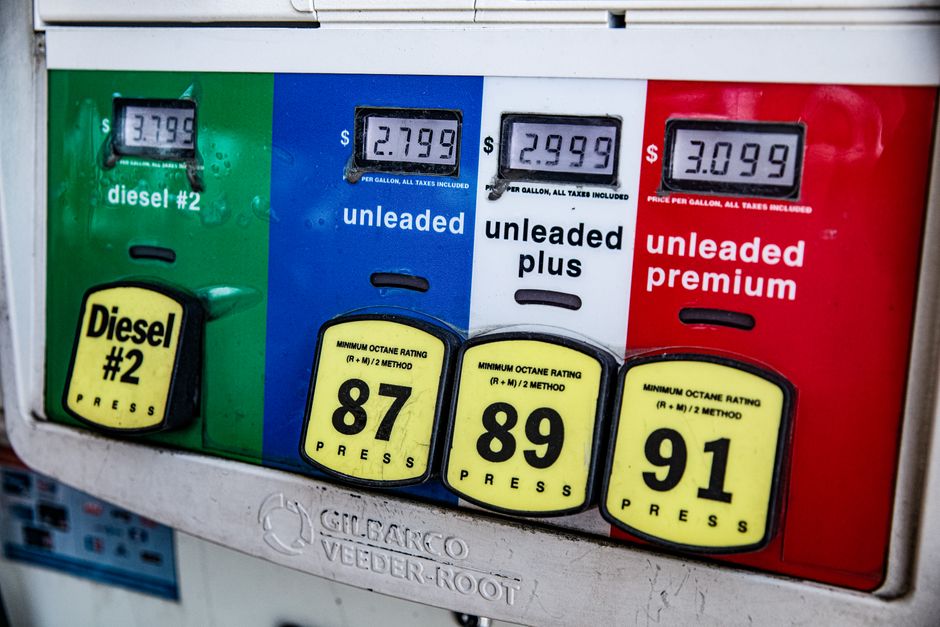
Oil supply dynamics are now under immediate pressure. While the underlying production capacity remains intact, the risk premium on crude will likely remain elevated as long as the conflict persists. The market perceptions of future conflict scenarios have already shifted, with investors pricing in a higher probability of sustained instability.
The Ripple Effect on Neighbors and Global Markets
The attack on Jordan expands the conflict's geographic footprint. Jordan borders Iraq, Syria, and Israel, and its involvement as a battleground could draw in other regional actors. Prince Hassan Air Base is a vital installation for both Jordanian defense and coalition resupply. Its targeting signals that Iran sees no sanctuary beyond the Gulf.
Bahrain hosts the US Navy Fifth Fleet headquarters, making it a high-value target. The kingdom is a small island nation heavily reliant on naval stability for its economy. The fire at the fleet base will strain Bahraini security forces and possibly require increased U.S. force protection measures.
The UAE and Qatar, both key energy exporters, are now on high alert. Their decisions to activate defenses and raise threat levels are not just precautionary — they are political statements showing alignment with the U.S. while also attempting to deter further aggression. However, these measures also risk dragging them deeper into a direct confrontation.
Global financial markets are watching closely. The geopolitical risk premium in oil prices is likely to persist. Beyond energy, defense stocks, shipping costs, and even currency markets are affected. The Crypto Briefing coverage of these events — typically focused on digital assets — highlights how widely the repercussions are being felt across asset classes.
A Fragile Path Forward
The escalation reduces the chances for any near-term diplomatic resolution. The most extensive assault since the ceasefire collapse has effectively torched the remaining trust required for negotiations. Both sides are now locked in a cycle of action and reaction.
The United States faces a difficult choice: respond proportionally to avoid a wider war, or escalate significantly to re-establish deterrence. Either path carries profound risks. The US Navy is already stretched across multiple theaters, and a prolonged engagement in the Gulf could divert resources from other priorities.
For Iran, the domestic calculus is complex. The regime may believe that external conflict helps consolidate internal support. However, the economic toll of disrupted oil exports and the possibility of direct U.S. military retaliation pose existential risks.
Regional mediators — from Qatar to Oman — have lost much of their diplomatic space. The escalatory ladder has been climbed faster than any diplomatic framework can de-escalate. Without a major intervention from a power like China or Russia, the crisis may continue to spiral.
Looking Ahead
The situation remains fluid, but the trajectory is clear. The attacks on the US Navy Fifth Fleet in Bahrain and on Prince Hassan Air Base in Jordan represent a qualitative shift in the conflict. The key variables to watch are the extent of the naval damage, the response of global oil markets, and whether the United States will retaliate against Iranian military assets directly.
The Gulf region has entered a new period of extreme volatility. All stakeholders — from energy traders to defense planners to ordinary citizens — must prepare for a prolonged period of elevated risk. The world is watching the flames in Bahrain and the smoke over the Jordanian desert, hoping that this does not become the spark that lights a wider war.