Iranian state television is reporting strikes on military sites in Bushehr, while Bitcoin has crashed below $73,000. The escalating conflict between the United States and Iran is sending shockwaves through energy markets and digital assets alike.
What to know
- Iranian state TV confirmed projectile strikes on military installations in Bushehr, a strategic port city on the Persian Gulf.
- Bitcoin plunged below $73,000 during the same reporting window, with earlier slides reaching the $62,000 range.
- The US has struck over 300 Iranian targets over three days, intensifying the military campaign.
- Energy analysts warn the strikes on Iran’s oil infrastructure could trigger a supply shock and global oil price volatility.
- Escalating US-Iran tensions are now seen as a major risk factor for global markets, inflation expectations, and regulatory oversight.
- The crisis raises questions about Bitcoin’s reliability as a geopolitical hedge amid simultaneous sell-offs in both crypto and traditional assets.
- Crypto Briefing first reported the widening impact, linking the events to instability in mining operations and broader financial stress.
The Trigger: Explosions Over Bushehr
On July 12, 2026, Iranian state television broadcast reports of projectile strikes hitting military sites near Bushehr, a city located on the southwestern coast of Iran. Bushehr is not only a naval hub but also the site of a nuclear power plant, making any military activity in the area highly sensitive. The attacks come as part of a broader US military campaign that has already hit over 300 targets across Iran in just three days.
The strikes mark a significant escalation in what was already a tense standoff between Washington and Tehran. Military analysts had warned for weeks that a miscalculation in the Persian Gulf could spiral into open conflict.
While the full extent of damage remains unclear, initial reports suggest the Iranian military infrastructure in Bushehr has been compromised. The timing of the assault — during a period of heightened global inflation fears — has amplified concerns about energy supply routes.
Bitcoin’s Sudden Slide
Bitcoin investors woke up to a grim sight on July 12: the world’s largest cryptocurrency had slipped below $73,000, erasing billions in market value. The drop followed an earlier dip to the $62,000 range earlier in the week, as tensions first began to simmer. For a crypto market that has often touted Bitcoin as "digital gold" — a hedge against geopolitical chaos — the price reaction was telling.
The sell-off suggests that in times of acute military conflict, Bitcoin behaves less like a safe haven and more like a risk asset correlated with global equity and commodity markets.
Data from Crypto Briefing’s timeline shows a clear pattern: as news of the Bushehr strikes broke, liquidations accelerated, particularly in leveraged long positions. The market’s reflexive sell-off reflects a crisis of confidence, even among hardened crypto bulls.
Oil Markets on Edge
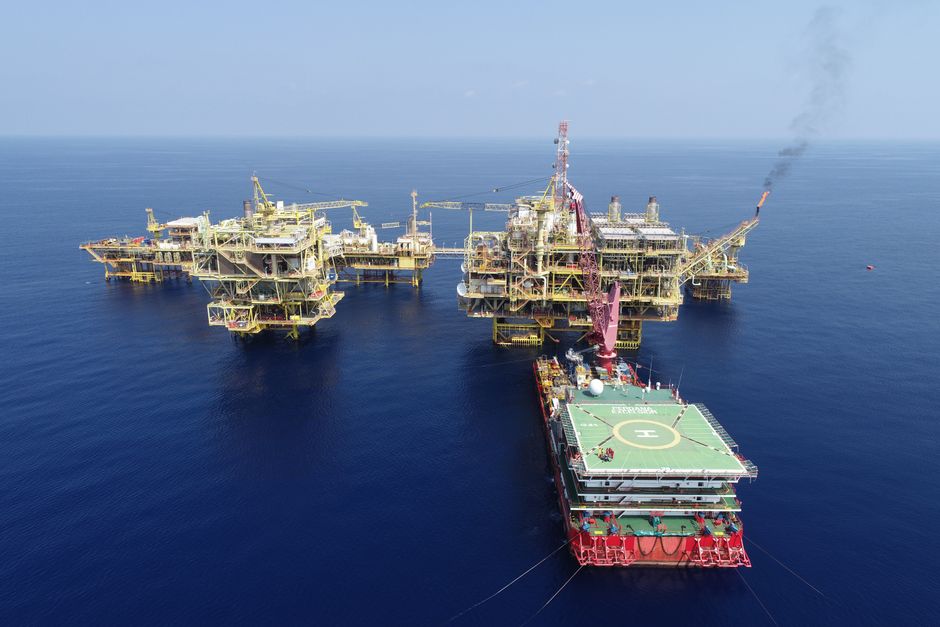
The strikes on Iran’s energy infrastructure have put the global oil market on notice. Iran is a major producer, and any disruption to its export capacity could spike prices worldwide. The US campaign has reportedly targeted refineries, pipelines, and shipping terminals in the Persian Gulf.
“The strikes on Iran's energy infrastructure could exacerbate global oil market volatility, impacting prices and geopolitical stability,” reported Crypto Briefing, citing energy analysts.
Oil traders have already priced in a risk premium, with Brent crude futures jumping sharply in early trading. The rally in oil could feed into already elevated inflation pressures, potentially forcing central banks to reconsider monetary policy — a scenario that could further squeeze crypto markets.
A Broader Geopolitical Shock
The conflict between the US and Iran is not unfolding in a vacuum. The world is still grappling with post-pandemic supply chains, war in Ukraine, and a fractured global order. The addition of a major Middle Eastern conflict raises the specter of a multi-front crisis.
Iran has threatened to block the Strait of Hormuz, a chokepoint for a third of the world’s seaborne oil. If realized, such a move would send energy prices into orbit and trigger a global recession. While that scenario remains hypothetical, the current strikes make it a more credible risk.
Meanwhile, investors are watching how other nations respond. Allies of the US have largely stayed silent, while Russia and China have called for restraint. The diplomatic vacuum only adds to uncertainty.
What This Means for Crypto as a Hedge
Bitcoin’s drop below $73,000 challenges the narrative that digital assets are a safe harbor during geopolitical turmoil. In this case, the asset behaved more like a speculative proxy for global risk appetite.
Why? Because the crypto market is still heavily tied to liquidity conditions. When a crisis strikes, leveraged positions get wiped out, and stablecoins become the preferred refuge — not Bitcoin. Additionally, mining operations in the region face uncertainty. Iran itself was a major hub for low-cost Bitcoin mining, and the strikes could disrupt hashrate and energy-dependent operations.
The collapse highlights a structural truth: Bitcoin is still a young asset class, and its "safe haven" status will take years of tested resilience to earn.
Looking Ahead
The next 48 hours will be critical. If further strikes hit Bushehr or other nuclear-adjacent sites, the conflict could escalate into a broader regional war. Markets will be watching for any sign of diplomatic off-ramps — or additional military action.
For Bitcoin, the path ahead depends on whether the selling is a short-term panic or the start of a deeper correction. If oil prices continue to spike and inflation fears mount, the Federal Reserve may be forced to keep rates higher for longer — a headwind for all risk assets, including crypto.
What remains clear is that the world is entering a new era of geopolitical instability. Whether Bitcoin evolves into a crisis hedge or remains tied to macro trends will be decided not in boardrooms, but on battlefields like Bushehr.