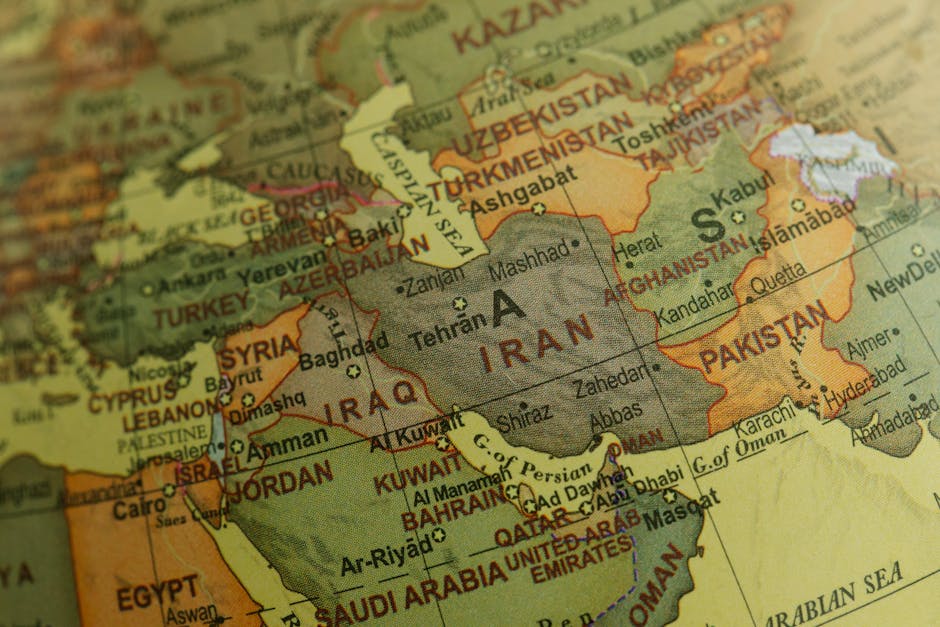
Tensions in the Persian Gulf have escalated sharply after Iran released videos of missile launches targeting Kuwait and Bahrain, and Jordan intercepted three missiles aimed at a US base. The US is preparing the next phase of its military campaign against Iran, with President Trump reportedly escalating actions.
What to know
- Iran released missile launch videos explicitly targeting Kuwait and Bahrain on July 20, 2026.
- Jordan intercepted three Iranian missiles that were aimed at a US base.
- The United States is preparing the next phase of military action against Iran, according to i24 News.
- President Trump has escalated military actions against Iran following attacks on US soldiers.
- Prediction markets now place a 46% probability of military action against a Gulf state on July 22, 2026.
- Houthi military action against Israel by July 31, 2026 stands at 7.5% on prediction platforms.
- A diplomatic meeting in the UAE by September 30, 2026 is priced at only 0.5% YES, signaling dim chances for de-escalation.
Missile Videos and Interceptions
On July 20, the world saw a new escalation in the long-running shadow war between Iran and the United States. Iran released videos of missile launches, explicitly naming Kuwait and Bahrain as targets. The videos are more than propaganda — they are a demonstration of reach and intent.
Hours later, Jordan intercepted three Iranian missiles that had been fired toward a US military base. The interception is a stunning operational success for Amman, but it also pulls a relatively quiet neighbor directly into the confrontation.
Jordan's interception marks the first confirmed defensive action by an Arab state against Iranian missiles aimed at US forces in this crisis.
The timing is critical. The missile videos and the interception occurred within hours, suggesting a coordinated Iranian signaling campaign timed to coincide with Trump's warnings of severe retaliation.
The US Response and Trump's Escalation
President Trump has not held back. After earlier attacks on US soldiers, Trump warned of severe retaliation. Reports from i24 News indicate the US is now preparing the next phase of its military campaign against Iran.
"Trump escalates military actions against Iran," reads one headline from Crypto Briefing. The move signals a shift from deterrence to active pressure. What that next phase will look like is not yet clear, but it may involve strikes on Iranian assets in the region or direct action inside Iran.
The US appears to be shifting from a reactive posture to an active campaign. The next phase is being prepared — and it could come as soon as this week.
The escalation is happening against a backdrop of prediction market odds that suggest conflict is increasingly seen as likely.
Regional Fallout and Jordan's Delicate Position
Jordan has suddenly become a central actor. By intercepting missiles aimed at a US base, it has effectively chosen a side in a conflict that many in the region had hoped to avoid. Amman now faces potential retaliation from Iran, as well as the diplomatic challenge of managing its relationship with neighbors like Kuwait and Bahrain, the stated targets of Iran's missile videos.
For the Gulf states, the message is clear: Iran can and will target them directly. Kuwait and Bahrain are now front-line states in a way they have not been since the Iran-Iraq war. Their response — whether to rely on US protection, bolster their own defenses, or seek a diplomatic off-ramp — will shape the next phase of the crisis.
Prediction Markets and Diplomatic Prospects
The data from prediction markets underscores the gravity of the moment.
- Military action against a Gulf state on July 22: 46% YES.
- Houthi action against Israel by July 31, 2026: 7.5% YES.
- Diplomatic meeting in the UAE by September 30, 2026: 0.5% YES.
- Iran Reconstruction Funding in a US-Iran deal in 2026: 26.5% YES.
A nearly 50% chance of military action within two days is extraordinarily high. The diplomatic track is essentially off the table, with the UAE meeting seen as a near-impossibility. Even the prospect of a reconstruction deal, which would require a political settlement, is only 26.5%.
The markets are effectively pricing in a conflict that could widen to include Israel through the Houthi proxy, adding another dimension to an already volatile mix.
Looking Ahead
The next 48 hours are critical. If military action against a Gulf state occurs on July 22, it will mark a dramatic escalation in the US-Iran confrontation. Jordan's role will be under intense scrutiny, and the Gulf states will have to decide how to respond.
Diplomacy is not dead, but it is on life support. The UAE meeting remains a theoretical pathway, but at 0.5%, markets are not betting on it. Until then, the missiles and videos will continue to shape the narrative.
For the region, the old rules no longer apply. The question now is how far each side is willing to go.