A landmark interim peace deal between the US and Iran has reopened the Strait of Hormuz, triggering a surge in Bitcoin past $63,000 and lowering the temperature on global energy markets. The framework agreement, brokered with public support from Russia and China, could signal a new phase of geopolitical stability with profound consequences for oil prices, monetary policy, and crypto adoption.
What to know
- The US and Iran reached an interim deal to reopen the Strait of Hormuz, a critical chokepoint for global oil shipments.
- Bitcoin surged past $63K shortly after the announcement, reflecting a boost in risk sentiment and reduced geopolitical uncertainty.
- President Trump praised Putin and Xi for their roles in the peace process and flew to Europe following the framework deal.
- The framework agreement is expected to stabilize global oil markets, lowering energy costs for import-dependent economies.
- Analysts suggest the deal could reduce geopolitical tensions that have historically driven safe-haven flows into both gold and crypto assets.
- The reopening of the Strait of Hormuz may directly impact the pricing and supply of crude oil, influencing inflation and central bank policies.
- Crypto Briefing reported the development as a catalyst for increased digital asset adoption amid a more stable geopolitical backdrop.
The Geopolitical Breakthrough
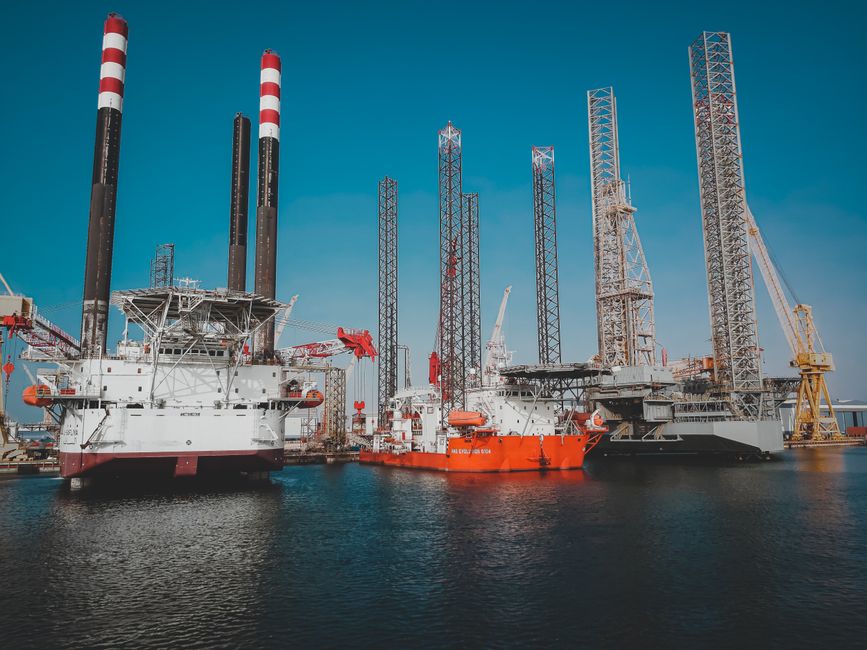
The announcement of a US–Iran interim peace deal marks one of the most consequential diplomatic events in years. For the first time in a prolonged period, the Strait of Hormuz — through which about a fifth of the world’s oil passes — is set to operate without the constant threat of military closure. The agreement comes after a series of behind-the-scenes engagements involving President Trump, Putin, and Xi, each publicly credited for helping bring the framework together.
Trump’s decision to fly to Europe immediately after the announcement underscores the diplomatic weight of the deal. It also signals a broader realignment in which major powers cooperate on stabilizing energy supply lines, even as other geopolitical rivalries persist.
The reopening of the Strait of Hormuz under a verified agreement removes one of the largest overhangs from global energy markets.
The timeline of events reported by Crypto Briefing shows a clear pattern: each stage of the negotiation progress correlated with a rise in Bitcoin prices. The market is treating the reduction of tail risk as directly supportive of crypto valuations.
Energy Markets and Oil Price Stability
A stabilized Strait of Hormuz means a more predictable crude supply chain. The framework deal is expected to depress oil price volatility, potentially lowering costs for consumers and reducing inflationary pressures worldwide. This is particularly significant for import-heavy economies in Asia and Europe.
Lower energy costs could give central banks more room to ease monetary policy, as the inflation headwind from oil dissipates. The interplay between energy prices and monetary policy is a key driver of the broader market reaction. Crypto Briefing noted that the peace deal “could influence monetary policy decisions,” suggesting that smoother oil markets may encourage rate cuts in some jurisdictions.
If oil prices slide on reduced risk premiums, the macroeconomic backdrop becomes more favorable for risk assets across the board.
Bitcoin and Risk Sentiment
Bitcoin’s leap above $63K is the most visible crypto market signal. The surge reflects not just relief but a recalibration of the asset’s role as a geopolitical hedge. Historically, Bitcoin has sometimes moved in line with risk-on sentiment when global crises abate; here, the easing of tensions appears to have unlocked a wave of buying.
The exact mechanism remains debated — whether the move is driven by institutional investors reallocating from safe havens or by retail speculation fueled by news flow. What is clear from the reporting is that the correlation between geopolitical stability and crypto demand is tightening.
Crypto Briefing emphasized that the deal “could boost crypto valuations by reducing geopolitical tensions.” The easing of the Iran standoff removes a significant negative risk premium that had been weighing on markets for months.
The Role of Putin and Xi
Putin and Xi were singled out by Trump for their contributions to the peace process. Their involvement adds a layer of credibility to the framework, as both leaders have vested interests in stable oil routes — Russia as a major producer, China as the world’s largest crude importer. Their cooperation on this file may signal broader potential for diplomatic resolution in other flashpoints.
However, the deal is an interim one. Open questions remain about how Iran will respond to the terms over the long term, especially regarding nuclear enrichment and regional proxy activities. The market’s positive reaction assumes a continued commitment to the framework.
Who Stands to Benefit
- Oil-importing nations: Lower energy costs improve trade balances and reduce inflation.
- Cryptocurrency investors: Bitcoin and other digital assets may see sustained inflows as risk appetite returns.
- Global financial markets: Reduced geopolitical uncertainty typically supports equities and credit spreads.
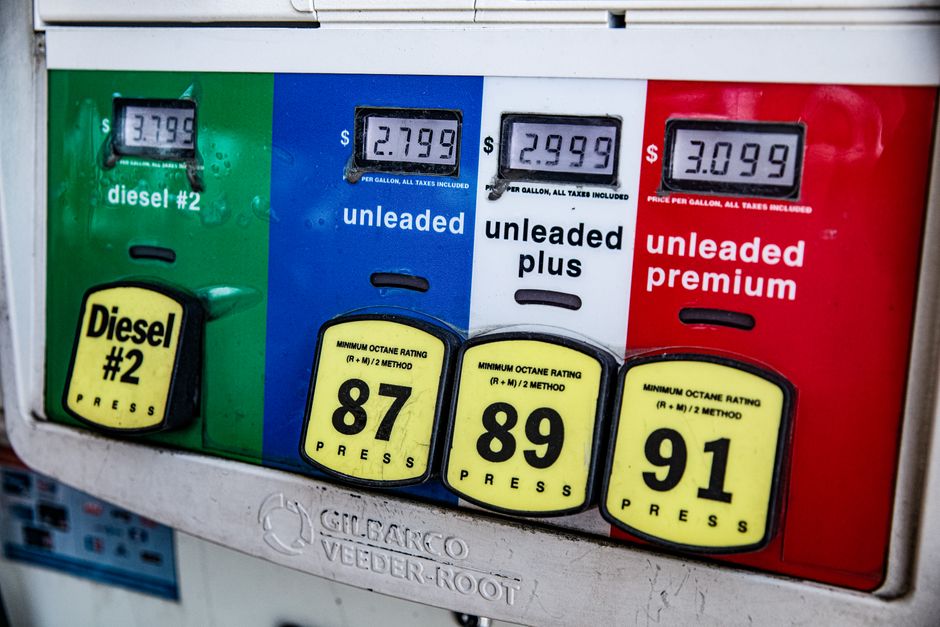
- Consumers: Cheaper gasoline and heating oil could boost disposable income.
Conversely, oil-exporting countries reliant on high prices may face revenue pressure, while defense and energy security sectors could see reduced demand for crisis-related premiums.
Looking Ahead
The Iran peace deal is a fluid situation. The interim arrangement must be ratified and implemented, with verification mechanisms likely to be monitored by the US and its partners. Trump’s European trip suggests more negotiations are ahead, possibly involving trade and security guarantees.
For Bitcoin and crypto markets, the path forward depends on whether this geopolitical detente is sustained. A breakdown of talks could reverse the gains, while successful implementation could reinforce the narrative that digital assets are maturing alongside global macro stability.
The framework deal also opens the door for other diplomatic initiatives, potentially reshaping the geopolitical landscape in the Middle East and beyond. For now, markets are breathing a sigh of relief — and watching the Strait of Hormuz.