A missile strike on Bahrain and a reported explosion near Iran's Sirik facility have pushed the Strait of Hormuz to the brink, with crypto markets shedding $700 million in liquidations and oil routes under threat.
What to know
- Iran launched missiles and drones at Bahrain on June 11, 2026, according to reports from Crypto Briefing.
- Explosions were reported near Sirik in Iran's Hormozgan province, close to the strategic Strait of Hormuz.
- The India Foreign Ministry confirmed that two attacked ships are sanctioned by OFAC, adding a legal layer to the maritime crisis.
- Houthi forces announced a partial blockade in the Red Sea, threatening a vital oil shipping artery.
- Crypto markets saw $700 million in liquidations amid the geopolitical volatility.
- The Strait of Hormuz, a chokepoint for about 20% of global oil, is now at the center of the conflict.
- Rising tensions could disrupt global oil markets and increase volatility in digital asset prices, impacting economies worldwide.
The Strike That Shook Two Markets
The images of missiles arcing toward Bahrain and plumes rising near Sirik may have been captured by satellites, but their impact was felt most immediately in trading terminals. Within hours, crypto markets shed $700 million in leveraged positions — a brutal liquidation cascade that underscored how fragile digital asset markets are to geopolitical shocks. Crypto Briefing reported the attacks as a coordinated escalation involving both Iran and Houthi forces, with a partial Red Sea blockade announced in parallel.
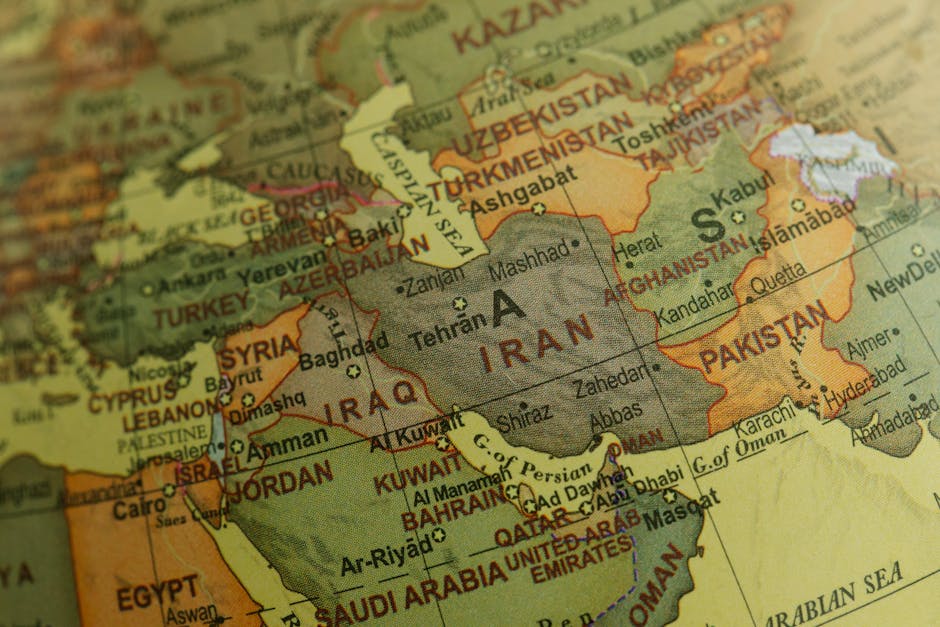
This is not a single event but a convergence. The Strait of Hormuz — the narrow waterway through which roughly a fifth of the world's oil passes — is now a flashpoint. The Sirik explosions, located in Iran's Hormozgan province, sit just miles from the strait. The Red Sea blockade further compounds the energy supply threat. For crypto, the $700 million liquidation figure is staggering, though not unprecedented. It signals that traders had not priced in such a sudden spike in geopolitical risk.
The Maritime Front: OFAC Sanctions and Indian Ships
Adding a regulatory twist, the India Foreign Ministry announced that two attacked ships are OFAC-sanctioned. This detail may seem arcane, but it carries heavy implications. OFAC (the U.S. Office of Foreign Assets Control) sanctions mean those vessels were already under scrutiny for links to sanctioned entities. Their targeting by Iran or Houthi forces could be interpreted as a calculated move to hit assets that the U.S. has already blacklisted — a form of asymmetric warfare that exploits legal gray zones.
India's involvement also raises the geopolitical stakes. New Delhi is a major importer of Middle Eastern oil and has traditionally maintained balanced relations with both Iran and Gulf states. The attack on Indian-linked ships — even if OFAC-sanctioned — could force a shift in policy. The India Foreign Ministry statement did not specify retaliation, but the subtext is clear: no nation can ignore an attack on its flagged vessels.
Why Crypto Markets Crashed — and What It Means
The $700 million liquidation figure is not just a number; it is a symptom of how interconnected digital asset markets have become with traditional geopolitical risk. Unlike equities, crypto trades 24/7 and is highly leveraged. When a news event like a missile strike breaks, automated liquidation engines trigger cascading sell-offs. This time, the trigger was the Iran-Bahrain escalation and the simultaneous Houthi blockade.
But there is a deeper story. Crypto has often been pitched as a hedge against geopolitical turmoil — a non-sovereign store of value. The events of June 11 challenge that narrative. Instead of rallying, bitcoin and other major coins sold off, suggesting that in moments of acute crisis, investors still flee to cash or traditional safe havens. The liquidations wiped out leveraged longs, but the broader market may take days to recover if the situation escalates.
Energy Markets: The Strait of Hormuz in the Crosshairs
The Strait of Hormuz is the world's most important oil chokepoint. Even a partial disruption can send crude prices spiking. The Houthi Red Sea blockade and the Sirik explosions are not isolated; they form a coordinated pressure campaign. If tanker traffic through the Strait of Hormuz is interrupted, oil prices could jump by double digits, stoking inflation globally. Central banks, still grappling with post-pandemic monetary policy tightening, would face a renewed dilemma: raise rates to fight inflation or cut to support growth amid a supply shock.
For crypto, higher oil prices often correlate with tighter monetary conditions, which are bearish for risk assets. The $700 million liquidation may be just the opening act if crude continues to climb.
Timeline of Escalation
The events unfolded rapidly:
- Houthi partial Red Sea blockade announced — threatening key oil shipping routes, exacerbating regional instability.
- Explosions reported near Sirik, Hormozgan province — raising fears of a direct Iranian military action.
- Iran launches missiles and drones at Bahrain — a significant cross-border attack on a U.S. ally.
- India Foreign Ministry reports two attacked ships are OFAC-sanctioned — adding a regulatory dimension.
- Crypto markets suffer $700M in liquidations — as traders react to the geopolitical shock.
This sequence shows a deliberate, multi-pronged strategy: pressure on oil routes, direct strikes on Bahrain, and targeting sanctioned vessels to complicate international response.
Who Is Affected
- Iran: The aggressor state faces potential retaliation and further isolation.
- Bahrain: A small Gulf monarchy hosting the U.S. Fifth Fleet; the attack forces a direct response.
- India: Drawn in via its sanctioned ships, now forced to navigate a diplomatic minefield.
- Crypto traders: $700 million in losses, with more volatility ahead.
- Global oil consumers: Potential supply disruption and price spikes.
- OFAC and U.S. sanctions regime: The sanction framework is now a battlefield asset.
The Role of Houthi Forces
The Houthi movement, which controls parts of Yemen, has long been a proxy of Iran. Their simultaneous Red Sea blockade suggests coordination with Tehran. The partial blockade — by targeting specific vessels or declaring areas off-limits — could be a trial run for a wider disruption. If the Houthis attempt to enforce a full blockade, the U.S. and its allies may need to commit naval assets, risking direct confrontation.
Looking Ahead
The Strait of Hormuz is now the center of a live geopolitical crisis. The $700 million crypto liquidation is a snapshot of market fragility, but the real question is whether this is a one-off shock or the beginning of a prolonged conflict. If Iran continues its strikes and the Houthis tighten the Red Sea blockade, oil markets could spiral, forcing central banks to recalibrate. Crypto may find itself caught in a crossfire between safe-haven narratives and liquidity crunches.
The open questions remain: How will Strait of Hormuz respond? Will India retaliate? Can the U.S. avoid a wider war? For now, traders and policymakers must watch the strait — and their screens.