Diplomatic efforts between Iran and the United States have collapsed after Israeli airstrikes in Beirut, pushing the region toward a new crisis and threatening a vital global oil artery.
What to know
- Iran suspended negotiations with the US on June 1, 2026, following Israeli military actions in Beirut.
- Tehran has threatened to close the Strait of Hormuz, a critical chokepoint for global oil shipments.
- The suspension of talks heightens geopolitical tensions, impacting both global oil flow and cryptocurrency markets.
- The crisis is testing blockchain's potential role in sanctions evasion, raising regulatory concerns.
- A ceasefire in Lebanon had offered hope for stability, but trust issues persist and the current escalation undermines that progress.
- Regional instability near vital trade routes can trigger widespread market volatility, including in digital assets.
- Crypto markets are showing vulnerability to geopolitical shocks, with major coins reacting to the news.
A Sudden Breakdown in Diplomacy
The day began with fragile hopes. A ceasefire in Lebanon had hinted at de-escalation. But that hope evaporated when Israel launched strikes in Beirut, the Lebanese capital. In response, Iran—a key backer of Hezbollah—announced an immediate suspension of negotiations with the United States.
This was not a routine delay. It was a sharp, public rupture. Iran's decision to walk away from the table came with a clear escalation: a threat to close the Strait of Hormuz, the narrow passage between the Persian Gulf and the Gulf of Oman.
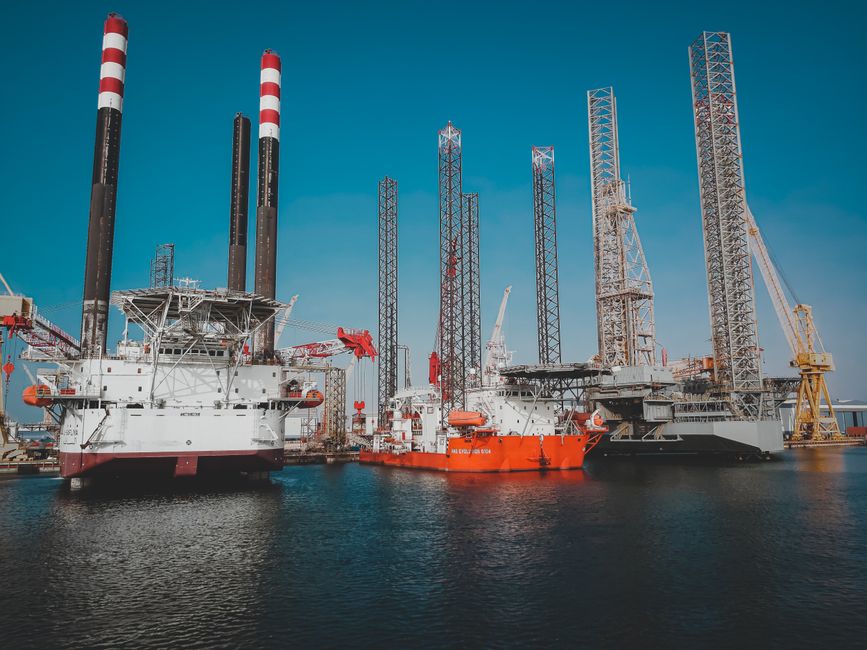
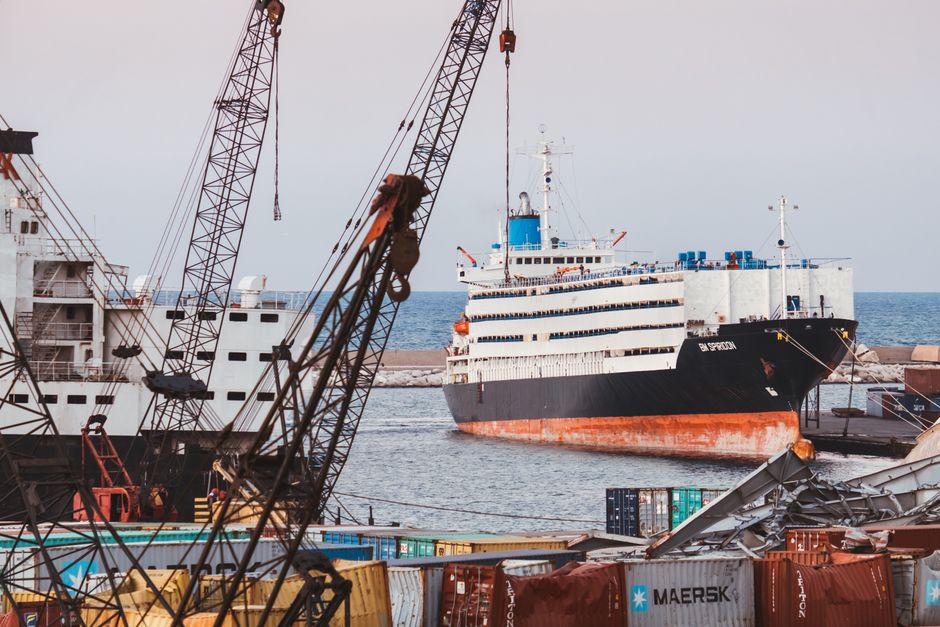
The strait is one of the world's most strategically important waterways. Any disruption would send immediate shockwaves through global energy markets.
The Strait of Hormuz is a chokepoint that, if blocked, could reshape the global energy landscape within hours.
The Strait of Hormuz: A Strategic Chokepoint Under Threat
Iran has long used the threat of closing the Strait of Hormuz as leverage. But this time, the threat follows a concrete diplomatic breakdown and a military strike. The combination is more volatile than past rhetoric.
For the US and its allies, the calculation is now urgent. The US Navy's Fifth Fleet is based in nearby Bahrain. Any attempt to enforce a blockade could lead to direct military confrontation.
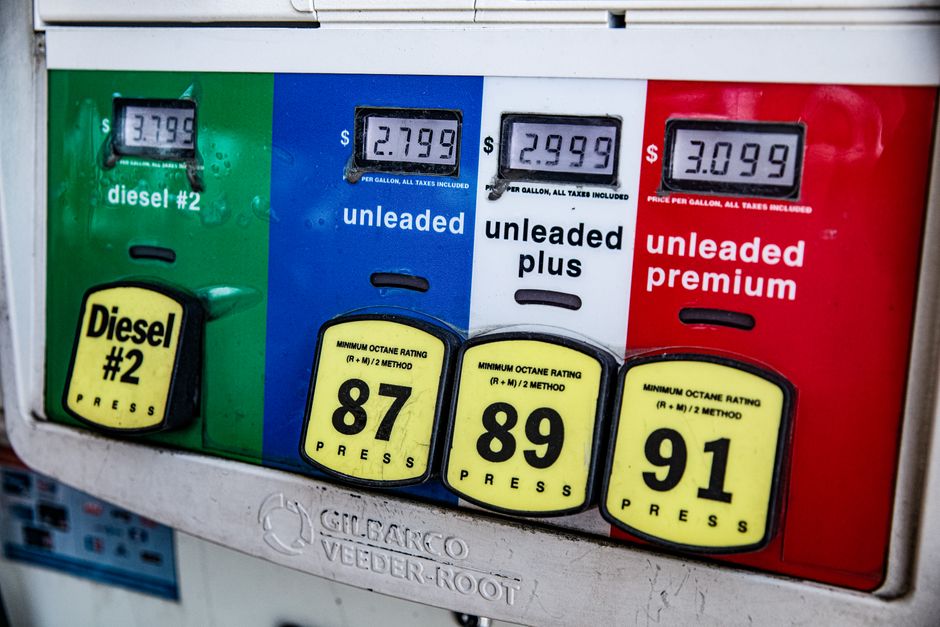
The economics are stark. A closure would immediately spike oil prices, fueling inflation and slowing economic growth worldwide. The global economy remains heavily dependent on Gulf oil.
Crypto Markets Caught in the Crossfire
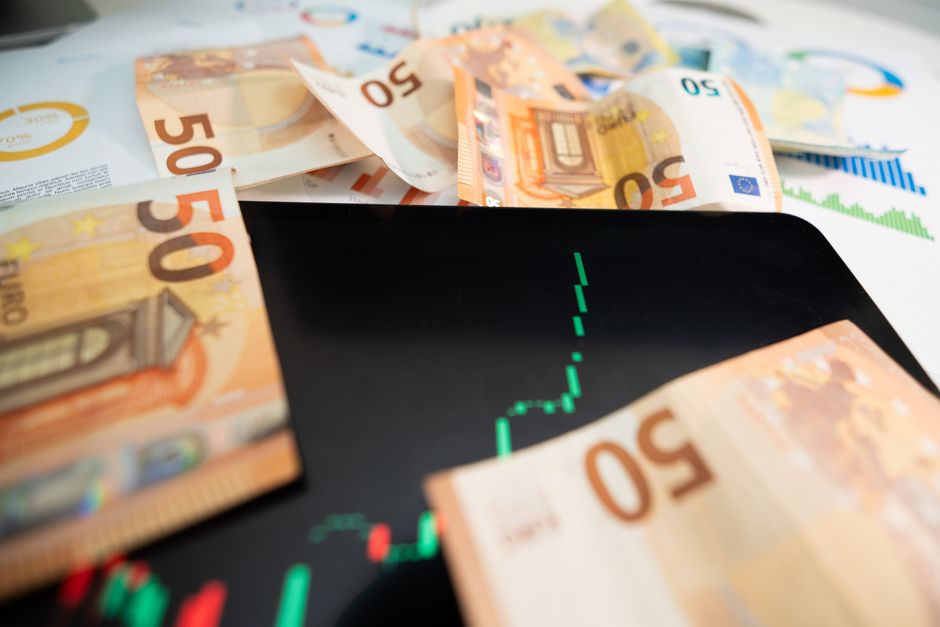
While oil markets are the obvious concern, cryptocurrency markets are also feeling the heat. Sources from Crypto Briefing noted that the suspension of talks sent "ripples through crypto markets."
The mechanism is twofold. First, geopolitical uncertainty typically drives investors toward safe-haven assets like gold or the US dollar. Bitcoin has often been described as digital gold, but recent crises have shown it behaves more like a risk asset during sudden shocks. Second, the threat of sanctions and financial isolation can drive demand for decentralized, censorship-resistant currencies.
But this crisis is also testing blockchain's darker potential: sanctions evasion. With Iran cut off from parts of the global financial system, cryptocurrencies offer a potential avenue for moving value across borders without detection. This has caught the attention of regulators and intelligence agencies.
The ability of blockchain to bypass traditional financial controls is both a feature and a vulnerability in times of geopolitical tension.
Blockchain and Sanctions: A Double-Edged Sword
The US has long used financial sanctions as a tool of foreign policy. Iran, North Korea, and Russia have all faced restrictions. Cryptocurrencies offer a way around these barriers—but at a cost.
On the one hand, blockchain's transparency can be a tool for tracking illicit flows. On the other, privacy coins and mixing services can obscure transactions. The current crisis may accelerate efforts by the US Treasury to tighten crypto oversight.
However, the scale of Iran's oil exports—even if sanctioned—is far larger than what crypto can easily handle. Oil trades in billions of dollars; crypto markets are deep but still not designed for such volume. Any attempt to move large sums would leave a trail on public blockchains.
Still, the symbolic weight is real. Every time a sanctioned nation demonstrates a willingness to use crypto, it puts pressure on the existing financial order.
Ceasefire Signals and Lingering Distrust
Earlier reports had highlighted a ceasefire in Lebanon that could stabilize regional tensions. But trust in that ceasefire has eroded. Israel's strikes in Beirut and Iran's response have made diplomatic solutions harder to reach.
The distrust runs deep. Iran views the US as unable to restrain Israel. The US sees Iran's nuclear program and proxy forces as a persistent threat. The ceasefire in Lebanon—if it survives—may not be enough to rebuild confidence.
For now, the situation remains fluid. The Strait of Hormuz is not yet closed, but the threat is real. Markets are pricing in higher risk.
Looking Ahead
The coming days will be critical. If Iran follows through on its threat, oil prices could spike dramatically, triggering a broader economic crisis. If diplomacy can be revived—perhaps through back channels or third-party mediation—the worst may be avoided.
Crypto markets will continue to react. Long-term, this crisis may accelerate interest in decentralized finance as a hedge against geopolitical risk. It will also sharpen regulatory scrutiny.
What is clear is that the lines between geopolitics, energy, and digital assets are blurring. The events of June 1, 2026, are a reminder that no market exists in a vacuum.
The Strait of Hormuz is the physical chokepoint. Blockchain is the digital one. Both are now at the center of a global power struggle.