Iran’s IRGC strike on a Kuwaiti air base sends shockwaves through oil and crypto markets as the US blockade tightens its grip.
What to know
- Iran's Revolutionary Guards (IRGC) launched an attack on an early-warning radar at Ali Al Salem Air Base in Kuwait.
- The strike heightens geopolitical tensions, threatening to destabilize oil markets already pressured by a US blockade on Iran-bound tankers.
- A tightening of the blockade raises inflation risks, which could force central banks to adopt tighter monetary policy, draining liquidity from crypto markets.
- Iran’s digital asset ecosystem is valued at $7.8 billion, making the country a nontrivial player in global crypto infrastructure.
- The IRGC has also targeted US troops in Iraq, expanding the scope of confrontation and rattling financial markets.
- The Strait of Hormuz remains a critical chokepoint; any disruption could send oil prices sharply higher.
The Strike on Ali Al Salem
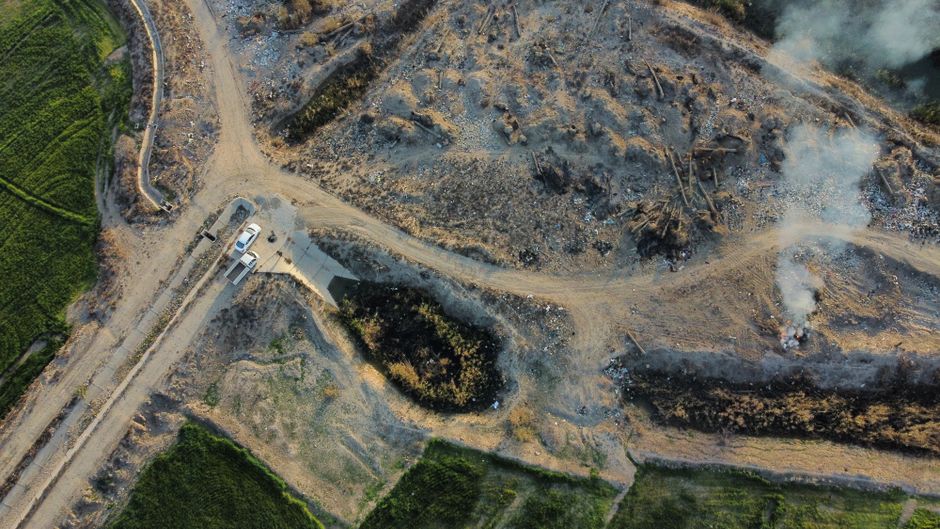
The assault on the radar installation at Ali Al Salem Air Base marks a significant escalation in US-Iran hostilities. Located in northern Kuwait, the base is a hub for coalition forces and hosts sophisticated early-warning systems. The Revolutionary Guards claimed responsibility, stating the strike was retaliation for Israeli operations and the US naval blockade.
Kuwait’s government has condemned the attack, but the damage is done: a key layer of regional air defense has been breached. The military impact is unclear, but the symbolic weight is enormous. For the first time in years, a sovereign Kuwaiti installation has been directly targeted by Iranian military action. The attack signals that Iran is willing to expand the battlefield beyond Iraq and into the Gulf states.
Oil Markets on Edge
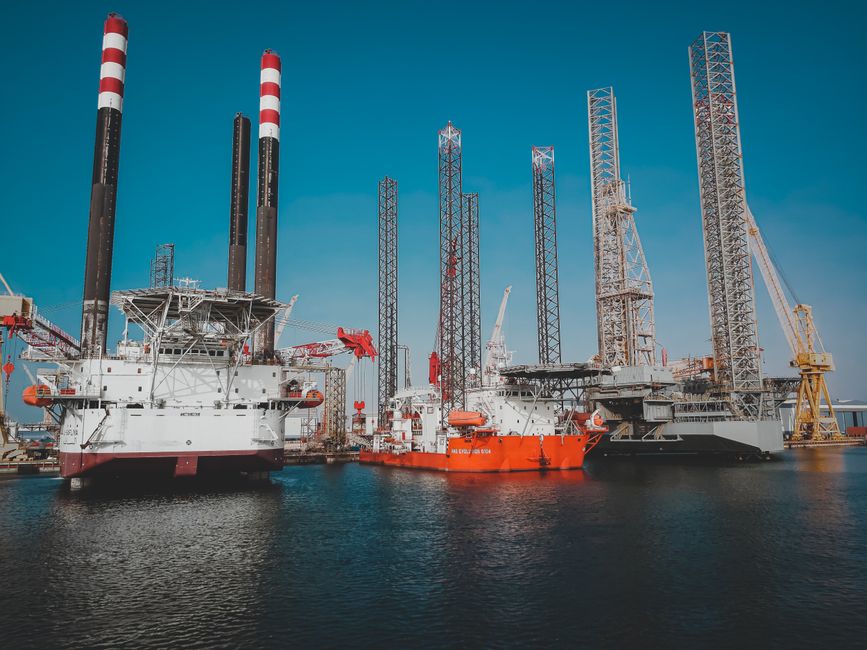
Oil prices were already volatile amid the US blockade of Iranian exports. The Strait of Hormuz, through which roughly 20% of global oil supply passes, has again become a flashpoint. Any disruption there can send prices spiraling. The strike on Kuwait adds a new dimension: direct military action on a Gulf state’s soil.
The attack heightens geopolitical tensions, potentially destabilizing oil markets and impacting global economic conditions and crypto investments.
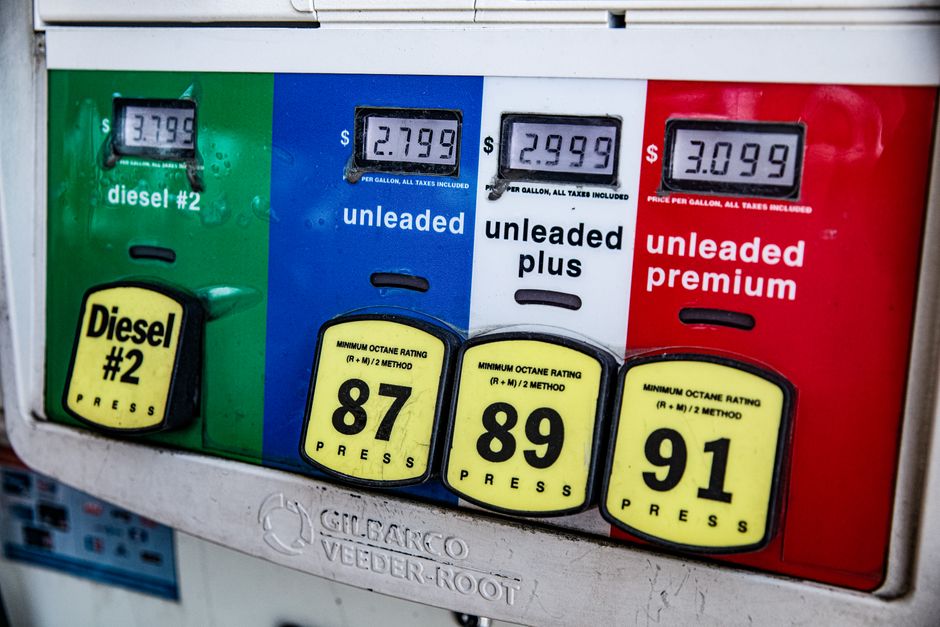
Brent crude has been trading near multi-year highs, and analysts warn that further escalation could push prices past $100 per barrel. That would strain economies already grappling with post-pandemic inflation. For consumers, higher gasoline prices feed directly into household budgets and corporate margins.
The US Blockade and Inflation Risks
The US blockade of Iran-bound tankers is the immediate trigger for the current crisis. By interdicting oil shipments, Washington aims to cut off revenue to Tehran, but the side effects are global. Reduced supply means higher prices at the pump from New York to New Delhi.
Higher oil prices drive headline inflation numbers higher. Central banks, already in a tightening cycle, may feel compelled to raise rates more aggressively. That would tighten financial conditions, reducing liquidity across asset classes, including cryptocurrencies. The US dollar, often strengthening in such environments, adds further pressure to crypto prices.
The US blockade's impact on oil supply heightens inflation risks, potentially tightening monetary policy and affecting crypto liquidity.
Crypto Markets Feel the Heat
The strikes highlight how geopolitical tensions directly affect digital asset markets. Bitcoin and other cryptocurrencies, often marketed as hedges against geopolitical risk, have shown in practice to be deeply correlated with risk-on sentiment and global liquidity.
Iran’s $7.8 billion digital asset ecosystem is itself a factor in the equation. The country has used crypto mining to bypass sanctions, and its miners account for a significant share of global hashrate. Any disruption to Iran’s energy infrastructure or internet connectivity could affect network security and hashrate distribution.
Immediate market reaction to the strike was a sharp dip in Bitcoin and Ethereum, though prices partially recovered. The long-term trajectory depends on whether the conflict widens into a broader regional war. For now, crypto investors are watching oil prices, inflation data, and central bank statements more closely than ever.
The IRGC strikes on US troops in Iraq and Kuwait rattle crypto markets, spotlighting Iran’s $7.8B digital asset ecosystem.
Iran’s $7.8B Digital Ecosystem
Iran has built a sizable crypto mining industry, leveraging subsidized energy costs. The $7.8 billion valuation of its digital asset ecosystem includes mining operations, exchange activity, and over-the-counter trading. This makes Iran a significant, if opaque, participant in the global crypto economy.
But the same infrastructure makes Iran vulnerable. If the US escalates cyber operations or tightens sanctions on crypto-related entities, Iran’s crypto economy could be crippled. Miners may face blackouts if energy is diverted to military needs. The $7.8 billion figure represents both an asset and a target.
Geopolitical Fallout and Broader Implications
The strike on Kuwait does not occur in isolation. The US has disabled an Iran-bound tanker, and the Revolutionary Guards have launched attacks on US troops in Iraq. A coordinated campaign appears underway, with each side testing the other’s red lines.
For global investors, the message is clear: geopolitical risk is back with a vengeance. The era of relative stability in the Middle East, which allowed oil prices to remain moderate, is under threat. Safe-haven assets like gold have rallied, while risk assets including crypto have wavered.
The involvement of Kuwait and Iraq as battlegrounds drags the broader region into the confrontation. The potential for a multi-front conflict involving proxy groups adds another layer of unpredictability. Diplomatic efforts have yet to gain traction, and military posturing continues on both sides.
Looking Ahead
The next few days are critical. Will the US retaliate with further airstrikes or cyber operations? Will Iran target more coalition assets? And how will oil markets absorb the shock of a sustained blockade?
For crypto investors, caution is the watchword. Tightening monetary policy, rising inflation, and geopolitical chaos create a toxic mix for risk assets. While some see digital gold narratives emerging, the immediate reality is that crypto remains deeply intertwined with global liquidity conditions.
Iran’s $7.8 billion crypto ecosystem serves as a stark reminder that digital assets are not isolated from the world’s conflicts — they are embedded in them. As tensions mount, every market participant must factor in the cost of instability.