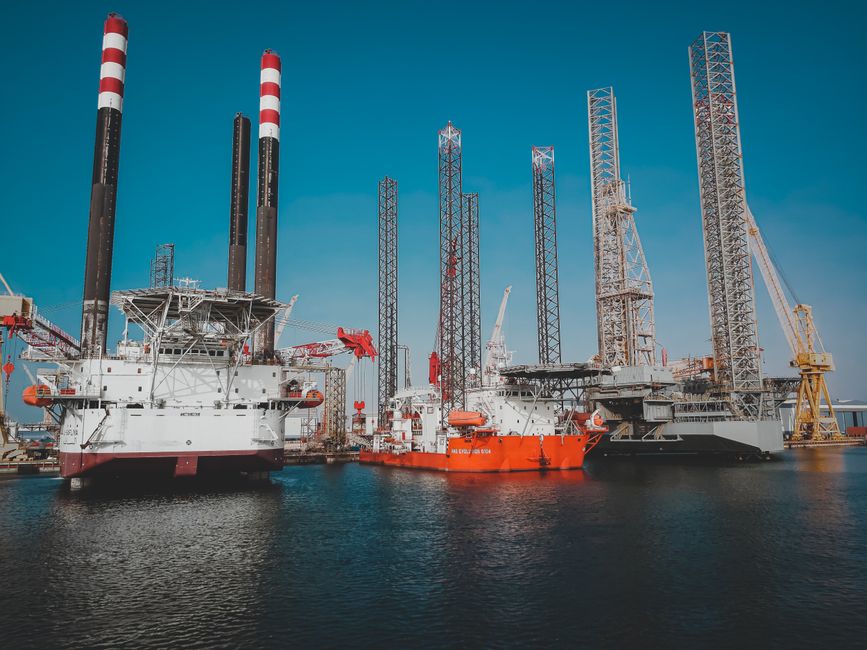
The IRGC Navy's strike on two oil tankers in the Strait of Hormuz has sent shockwaves through global energy markets and sparked renewed interest in Bitcoin as a geopolitical hedge, while regulators brace for a crackdown on sanctions evasion.
What to know
- Iranian naval forces attacked two oil tankers in the Strait of Hormuz on June 10, 2026, escalating a crisis at the world's most vital oil chokepoint.
- The strike threatens to destabilize global oil markets, with over 100 million barrels of crude passing through the strait daily.
- The event is driving increased demand for Bitcoin as investors seek a non-sovereign store of value amid geopolitical uncertainty.
- The Trump administration has ordered the US military to safeguard oil tankers in the region, aiming to stabilize energy transit.
- Discussions are emerging around using Bitcoin for transit fees in the strait, potentially reshaping oil trade dynamics.
- Tighter cryptocurrency regulations are expected as authorities aim to prevent sanctions evasion through digital assets.
- Partial recovery in strait traffic suggests some easing, but the situation remains volatile and fragile.
- Crypto innovations may face increased regulatory hurdles even as the crisis highlights Bitcoin's utility.
The Strait of Hormuz Under Fire
The Strait of Hormuz is no stranger to tension, but the events of June 10 mark a dangerous new chapter. The IRGC Navy launched strikes against two oil tankers, turning a narrow waterway already under strain into an active conflict zone. This chokepoint, through which roughly a fifth of the world's oil passes, is now at the center of a confrontation that could ripple across economies and markets.
The Strait of Hormuz is the world's most critical oil transit chokepoint, with over 100 million barrels of oil and liquefied natural gas moving through it every day.
The attack comes amid a series of escalations between Iran and the United States. The Iranian forces have previously targeted US ships near the strait with missiles and drones, triggering crypto volatility and even a Bitcoin insurance scheme, according to reports. This latest strike, however, is the first direct assault on commercial tankers, raising the stakes significantly.
Oil Markets on Edge
The immediate impact is being felt in oil markets. Traders are pricing in the risk of a prolonged disruption, with the potential for supply shortages that could send crude prices soaring. While the full extent of damage to the tankers is not yet known, the psychological effect is clear: the world's energy lifeline is under direct threat.
The military's involvement in securing oil transit—as directed by Trump—may help stabilize energy markets in the short term. But the underlying tensions remain. The partial recovery in strait traffic, noted in recent data, suggests that some vessels are still moving, but the situation is far from normal. A single miscalculation could trigger a full blockade.
Bitcoin as a Geopolitical Hedge
In times of crisis, investors often turn to assets that exist outside the control of any government. Bitcoin is increasingly seen as that asset. Following the attack, demand for Bitcoin has reportedly surged, as holders look to hedge against both inflation and geopolitical turmoil.
The crisis in the Strait of Hormuz is highlighting Bitcoin's role as a neutral, borderless store of value. There are even reports of talks to use Bitcoin for transit fees in the strait—a development that, if realized, could fundamentally alter global oil trade dynamics. A "Bitcoin insurance scheme" was already floated after previous Iranian strikes on US ships, indicating a growing intersection between crypto and maritime security.
The use of Bitcoin for transit fees in the Strait of Hormuz could influence global oil trade dynamics and impact cryptocurrency markets.
Regulatory Scrutiny Intensifies
But with every bright spot comes a shadow. The same features that make Bitcoin attractive as a hedge—its pseudonymity and global reach—also make it a tool for sanctions evasion. Regulators are now moving to tighten cryptocurrency oversight, specifically to prevent Iranian entities from using digital assets to bypass economic restrictions.
This dual reality is one of the key tensions of the moment. While the crisis may boost Bitcoin adoption, it also invites stricter rules that could stifle innovation. The Trump administration, which has been both supportive and skeptical of crypto, is now facing pressure to crack down on any illicit flows without harming the legitimate industry.
The Trump Administration's Response
President Trump has directed the US military to safeguard oil tankers transiting the Strait of Hormuz. This is a significant escalation of US naval presence in the region, aimed at deterring further attacks and ensuring the flow of oil. The move has been framed as part of a broader "Project Freedom" initiative, though details remain sparse.
The military's role in energy security is not new, but this deployment signals a readiness to use force to protect commerce. Whether this will de-escalate the situation or provoke further Iranian retaliation is an open question. The partial recovery in traffic suggests that some stability has been restored, but the underlying conflict is far from resolved.
Crypto Innovation Meets National Security
The crisis is also accelerating conversations about the role of cryptocurrency in national security. The idea of using Bitcoin for transit fees or as an insurance mechanism during conflict is novel, but it brings regulatory challenges. How do you allow innovation while preventing abuse?
This is the debate now unfolding in policy circles. The Strait of Hormuz crisis has thrust crypto into the geopolitical spotlight, and the industry must navigate both opportunity and risk. The coming weeks will likely see a flurry of regulatory proposals, some friendly, some restrictive.
Looking Ahead
The Strait of Hormuz remains the epicenter of a multidimensional crisis—energy, military, and financial. The attacks on two oil tankers have disrupted global markets, boosted Bitcoin demand, and triggered a regulatory reaction. The road ahead is uncertain, but one thing is clear: the world is watching, and the stakes have never been higher.
As tensions persist, the intersection of geopolitics, energy, and cryptocurrency will only grow more complex. The decisions made in the coming days will shape markets for years to come.