A series of escalating military moves by Israel and Iran is pushing the Middle East closer to a broader confrontation, with severe implications for energy markets.
What to know
- Israel has deployed troops to Azerbaijan, the UAE, Iraq, and Somaliland — a significant expansion of its military footprint in the region.
- Iran fired warning missiles and deployed drones at US warships in the Gulf of Oman, raising the risk of a naval confrontation.
- OPEC oil production has hit a decades-low amid escalating US-Iran tensions, exposing deep vulnerabilities in global supply chains.
- Expulsion orders in southern Lebanon risk further destabilizing the Israel-Hezbollah ceasefire and dimming peace prospects.
- The combination of troop movements, naval incidents, and falling OPEC output could drive sustained energy price volatility.
- Global maritime security in the Gulf of Oman is directly threatened, potentially disrupting trade routes vital to the world economy.
A Widening Front: Israel’s Multinational Deployment
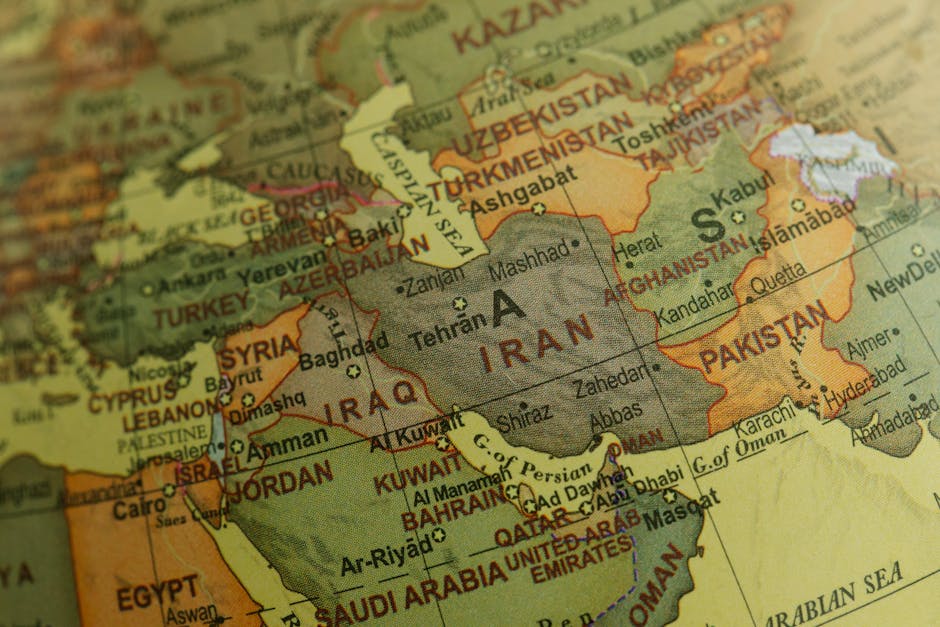
Israel has taken an unprecedented step by deploying troops to Azerbaijan, the UAE, Iraq, and Somaliland — countries that span the Caucasus, the Arabian Peninsula, and the Horn of Africa. This is not a symbolic gesture. It signals a deliberate strategy to create a ring of military presence around Iran, and it dramatically extends the theater of a potential conflict.
Israel’s troop deployment may escalate regional tensions, complicating peace prospects and impacting diplomatic and economic stability. — Trend data
Why these locations? Azerbaijan shares a border with Iran and has long been a partner for Israel in intelligence and energy. The UAE normalised relations with Israel in 2020, but hosting troops is a far more aggressive posture. Iraq is a delicate battleground where US-backed forces have long competed with Iran-backed militias. Somaliland, a breakaway region in the Horn of Africa, offers a strategic foothold near the Red Sea and the Gulf of Aden.
The deployment creates multiple vectors of pressure, but it also multiplies the points of friction. Each host nation now carries the risk of being drawn into hostilities, and the move could backfire by hardening Iran’s resolve.
Iran’s Naval Warning in the Gulf of Oman
On the same day as Israel’s announcement, Iran’s navy fired warning missiles and deployed drones at US warships in the Gulf of Oman. The Gulf of Oman is a choke point for global energy trade — tankers carrying oil from the Persian Gulf must pass through its waters to reach the open ocean.
Escalating tensions in the Gulf of Oman could disrupt global energy trade and increase the risk of regional conflict, impacting maritime security.
The incident is a direct challenge to the US naval presence and a warning to commercial shipping. Iran has historically used asymmetric naval tactics — fast boats, mines, and drones — to threaten larger vessels. This latest provocation suggests that Tehran is willing to raise the stakes in a waterway that carries about one-fifth of the world’s oil supply.
If shipping in the Gulf of Oman becomes unsafe, insurers will raise premiums, ship owners will reroute, and global oil prices will spike. The event is not isolated — it is part of a broader escalation that includes Israel’s troop movements and the expulsion orders in Lebanon.
OPEC at a Crossroads: Production Plunges Amid Crisis
OPEC’s oil production has hit a decades-low, according to reports published on June 5, 2026. The drop is unfolding against a backdrop of US-Iran tensions and wider regional instability. OPEC members are already struggling with internal quotas, underinvestment, and geopolitical pressures.
Geopolitical tensions highlight vulnerabilities in global oil supply chains, potentially driving sustained higher prices and market volatility.
Iran itself is an OPEC member under heavy sanctions, but it cannot simply ramp up output to calm markets. Saudi Arabia, the de facto leader of OPEC, has signalled caution, but its ability to act as a swing producer is limited when conflict is bubbling on its borders. The UAE, another key OPEC member, is now hosting Israeli troops — a decision that may complicate its diplomatic relations with other oil producers.
The decades-low production figures mean there is very little spare capacity to absorb shocks. Any disruption to supply — whether from a naval incident, a pipeline attack, or a broader war — will translate directly into higher prices for consumers worldwide.
The Economic Fallout: Oil Supply Chains Under Threat
The vulnerabilities in global oil supply chains are no longer theoretical. With Israel deploying troops to four countries and Iran challenging US naval supremacy in the Gulf of Oman, the infrastructure of the energy trade is now in the crosshairs.
For import-dependent economies in Europe and Asia, this is a nightmare scenario. Oil prices are likely to remain elevated and volatile, feeding into inflation and slowing economic growth. For producers in the region, the uncertainty may prompt them to hoard supply rather than sell, further tightening the market.
The expulsion orders risk escalating the Israel-Iran conflict, driving sustained higher prices and market volatility.
The interconnected nature of the crisis means that a single incident — a mine in the Gulf of Oman, a strike on an Iraqi oil field, a drone attack on Azerbaijani pipelines — could have cascading effects. The era of cheap, stable oil appears to be over.
Looking Ahead
The coming weeks will be critical. Diplomatic channels remain open, but the military deployments and naval provocations suggest that both Israel and Iran are preparing for a broader confrontation. OPEC may call an emergency meeting, but its ability to stabilize markets is hamstrung by low production and internal divisions.
Global attention should focus on three watchpoints: any further incidents in the Gulf of Oman, the reaction of US naval forces, and the response of OPEC’s largest producers. The world is staring at a potential supply shock, and the Middle East is once again at the center of the storm.