The United States and Iran are on a collision course that threatens to become a generational conflict. With a second wave of airstrikes underway and the U.N. Security Council authorizing force, the stakes have never been higher.
What to know
- The Pentagon launched a second strike wave against Iran after Tehran defied a U.S. blockade.
- The U.N. Security Council voted to authorize military force against Iran.
- Democrats blocked the defense budget over Trump's policies on Iran and Israel.
- Analysts warn the conflict could become a prolonged engagement like Iraq and Afghanistan.
- The escalation risks destabilizing the region and impacting global economic and security dynamics.
- Trump's stance may reduce diplomatic prospects.
- The blocked budget may delay U.S. foreign policy actions.
- Potential shifts in U.S. strategic policies are anticipated.
The Second Wave: A Defining Escalation
The Pentagon's decision to launch a second strike wave marks a significant intensification of the conflict. Iran's defiance of the U.S. naval blockade has prompted a military response that goes beyond initial strikes. The authorization by the U.N. Security Council lends international backing, but also raises the stakes. This is not a limited operation; it signals a commitment to sustained military action.
The Pentagon launches second strike wave as Iran defies US blockade – a clear indication that the administration is prepared for a prolonged campaign.
The blockade itself was already a major economic weapon, but Iran's defiance in the face of overwhelming U.S. naval superiority demonstrates its willingness to absorb punishment rather than capitulate. This open defiance leaves the U.S. with few options short of continued military escalation.
Domestic Fault Lines: The Defense Budget Standoff
Simultaneously, on the home front, Democrats have blocked the defense budget. Their opposition is rooted in Trump's policies on Iran and Israel. This blockade could delay critical foreign policy actions at a moment when operational tempo is high. The internal political rift weakens the U.S. negotiating position and may embolden adversaries who perceive a divided America.
The budget block is unprecedented during an active military operation. It sends a signal to allies and enemies alike that U.S. policy may not have unified support. For Iran, this is an opening. For the Pentagon, it creates uncertainty in logistics and planning.
The Ghosts of Iraq and Afghanistan
The comparison to Iraq and Afghanistan is not accidental. Both conflicts began with decisive military action but devolved into prolonged engagements that drained resources, claimed countless lives, and destabilized entire regions. Iran is not Iraq or Afghanistan—it is a more capable adversary with regional proxies. The risk of a protracted war is real, and the Pentagon's own doctrine warns against such quagmires. The current trajectory mirrors those historical patterns: initial strikes, defiance, escalation, and political paralysis at home.
The potential for a prolonged US-Iran conflict could strain resources, destabilize the region, and impact global economic and security dynamics.
The ghost of past wars looms large in every decision made today. The U.S. military, after two decades of counterinsurgency, is now being asked to confront a nation-state with a modern military. The parallels are stark.
Global Market Turbulence
The economic consequences are already unfolding. The potential for a prolonged US-Iran conflict threatens to disrupt energy supplies, as the Strait of Hormuz remains a chokepoint. Markets are pricing in uncertainty. Stocks, oil futures, and safe-haven assets are all reacting. The blocked budget adds fiscal uncertainty to geopolitical risk. Investors are watching closely.
Iran has threatened more trade route blockades. If these materialize, global supply chains—already fragile from other conflicts—could face severe disruptions. The impact on global economic and security dynamics cannot be overstated.
Diplomatic Options Narrowing
Every strike and every blockade reduces the room for diplomacy. Trump's stance, as reported, suggests a preference for unilateral action rather than negotiated settlement. The U.N. Security Council authorization, while providing legitimacy, also makes it harder to back down. The window for a diplomatic resolution is narrowing.
Reports indicate that Trump's stance may escalate US-Iran tensions, reducing diplomatic prospects. Meanwhile, the Democrats' budget blockade may delay foreign policy actions that could include diplomatic initiatives. The combination is a perfect storm for escalation.
Regional Destabilization
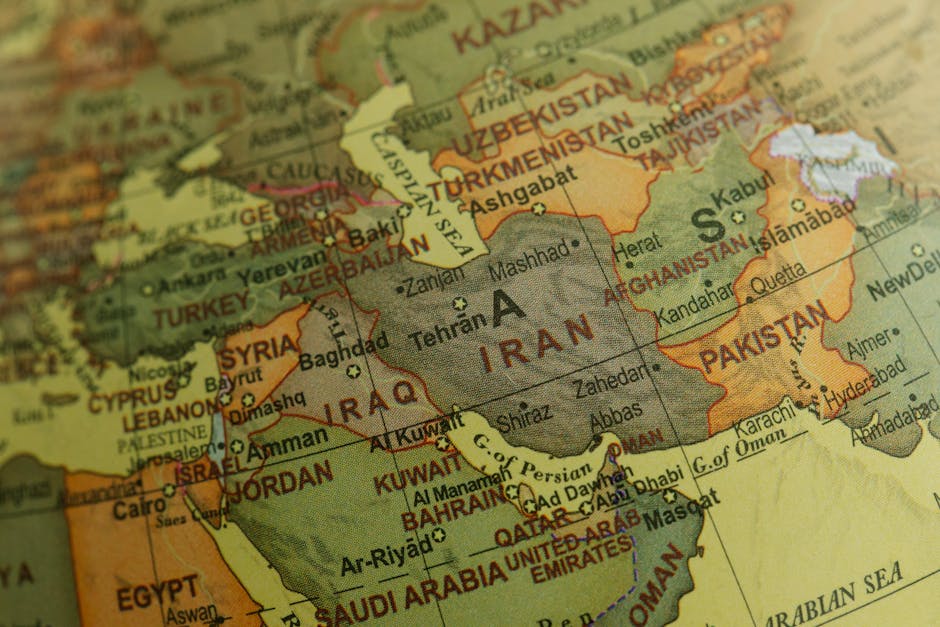
A prolonged conflict would not stay within Iran's borders. Neighbors like Iraq and Afghanistan, already fragile, could become theaters for Iranian retaliation or U.S. operations. Spillover effects could draw in other powers. The entire Middle East—from the Persian Gulf to the Levant—faces upheaval.
The region is already volatile. Adding a full-scale US-Iran war would create a humanitarian and security crisis of historic proportions. The risk of conflict spreading to other nations is high.
Looking Ahead
The next few weeks will be critical. Can the U.S. avoid the trap of another prolonged war? Will Congress resolve the budget impasse or will it deepen? And how will Iran respond to the second wave? The answers will shape global security for years to come.
The blocked defense budget may delay U.S. foreign policy actions, but the military machine is already in motion. With potential shifts in U.S. strategic policies anticipated, the world watches and waits.