The Kremlin’s explicit threat to foreign troops in Ukraine marks a dangerous escalation, as the EU responds with a record €90 billion loan and a controversial drone supply chain.
What to know
- The Kremlin has explicitly warned that any foreign troops in Ukraine will be considered legitimate military targets, elevating the risk of direct NATO-Russia confrontation.
- The European Union announced a €90 billion loan to Ukraine, signaling a strategic shift in European defense policy and a long-term commitment to Kyiv.
- EU funds are being used to purchase Chinese drone components for Ukraine, creating a strategic paradox that could alter supply chain dynamics.
- Russia has intensified its air campaign against Ukrainian infrastructure, targeting cities like Kyiv and Odessa, further crippling Ukraine’s offensive capabilities.
- Ukraine is facing significant political upheaval, which may weaken its negotiating position and alter its strategic alliances.
- These developments are impacting global financial markets and increasing overall geopolitical instability.
- NATO’s cohesion is being tested as member states weigh the risks of direct involvement versus continued proxy support.
The Kremlin’s Red Line
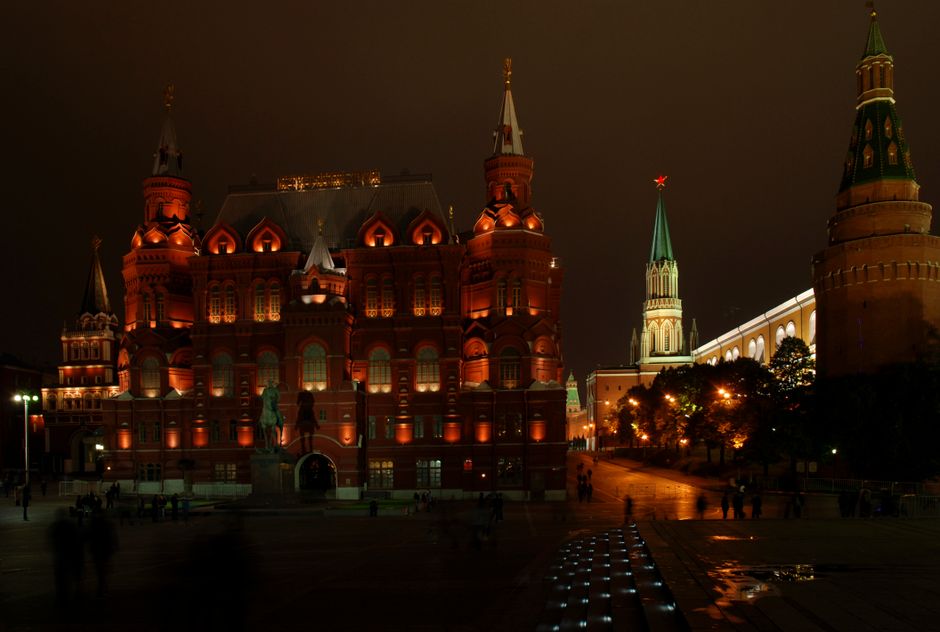
The Kremlin’s recent statement represents a major escalation in the rhetoric of the conflict. By labeling foreign troops in Ukraine as legitimate targets, Moscow is sending a clear signal that it views any military presence beyond Ukrainian forces as a potential trigger for a wider war. This is not merely a warning—it’s a redefinition of the battlefield. The implication for NATO is stark: any deployment of alliance troops, even in training or advisory roles, could be met with direct Russian strikes.
The move heightens the risk of a NATO-Russia conflict, a prospect that has loomed over the war since 2022 but has never been stated so bluntly. Global markets reacted negatively, with uncertainty spiking across defense and energy sectors.
EU’s Historic Financial Commitment
In a parallel development, the European Union has pledged a staggering €90 billion loan to Ukraine. This is the largest single financial commitment from Brussels since the war began. It signals a strategic shift in European defense policy—moving from piecemeal aid to a sustained, long-term investment in Ukraine’s survival.
The €90 billion loan is a bet on Ukraine’s resilience and a message to the Kremlin that Europe is not wavering.
But the loan comes with strings and contradictions. The funds are partly earmarked for military procurement, including drone technology—and this is where the story gets complicated.
The Chinese Drone Paradox
One of the most striking revelations is that EU funds are being used to purchase Chinese-made drone components for Ukraine. On the surface, it’s a pragmatic workaround: China’s commercial drone industry is dominant, and components are cheaper and more accessible. But the strategic paradox is profound. The EU is financing Chinese parts to fight a war that Russia, a close Chinese partner, is waging.
This arrangement could reshape global supply chain policies and raise uncomfortable questions about Europe’s dependency on Chinese manufacturing.
For China, the sales provide economic benefit while risking diplomatic backlash from Moscow. For Ukraine, it’s a lifeline—but one that exposes the tangled web of modern geopolitics, where enemies and suppliers often share the same address.
Russia’s Escalated Air Campaign and Ukraine’s Political Upheaval
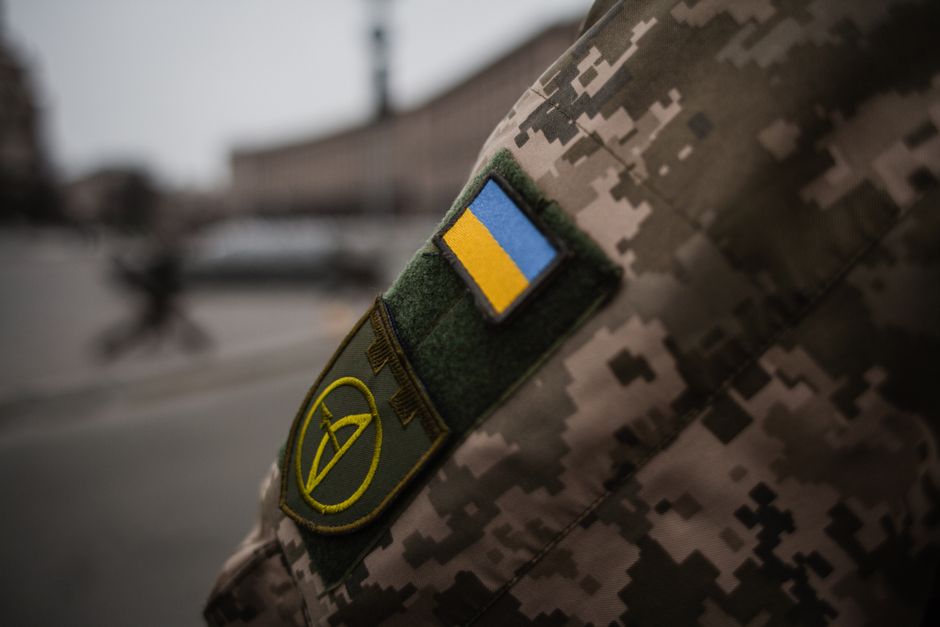
On the ground, Russia has escalated its air campaign, striking missile and drone sites in Kyiv and Odessa. The goal appears to be the degradation of Ukraine’s offensive capabilities ahead of any potential counteroffensive. The strikes are also aimed at breaking Ukrainian morale as the country faces simultaneous political instability.
Ukraine’s internal political turmoil remains underreported but is critical to understanding the next phase. Leadership challenges and war fatigue are creating fractures that the Kremlin is eager to exploit. This instability may force Kyiv to reconsider its strategic alliances—including its relationship with NATO.
Global Market and Alliance Fallout
The combination of these events is creating ripple effects across global markets. Defense stocks have seen volatility, energy prices are climbing, and safe-haven assets like gold are attracting capital. Investors are grappling with the prospect of a prolonged conflict that could draw in NATO directly.
NATO’s internal cohesion is being tested. Eastern member states are pushing for a stronger response to the Kremlin’s threats, while others urge caution. The debate over whether to formally invite Ukraine into the alliance—or to send troops—is now more fraught than ever.
Looking Ahead
The coming weeks will be decisive. The Kremlin’s warning may be a bluff or a prelude to real action; either way, it forces NATO to clarify its red lines. The EU’s €90 billion loan will take months to disburse, and its impact depends on whether Ukraine can stabilize politically. The Chinese drone paradox will likely intensify debates about supply chain security in Brussels.
One thing is certain: the war in Ukraine is entering a new, more dangerous phase—one where the boundaries between proxy conflict and direct confrontation are dangerously blurred.