The 2026 World Cup is not just about goals; it is becoming a live experiment in sports crypto adoption, powered by fan tokens and prediction markets — with Mbappe and Haaland at the center of the action.
What to know
- The 2026 World Cup has become a major catalyst for fan token activity, with on-field performances by Mbappe and Haaland directly influencing token dynamics.
- Kraken, the cryptocurrency exchange, has partnered with tournament organizers to fuel prediction market trading, creating a new layer of speculative engagement for fans.
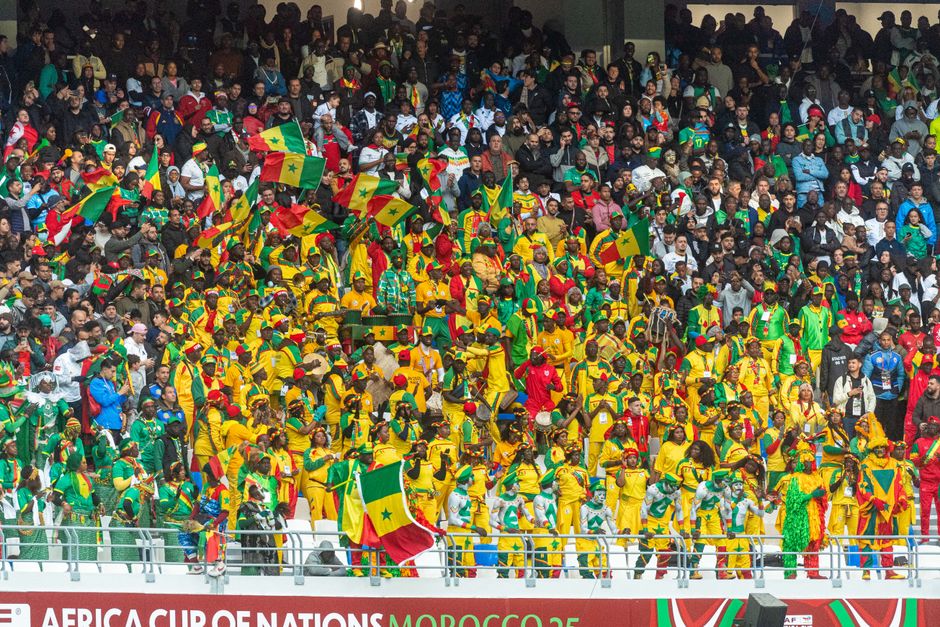
- France opened its campaign against Senegal, drawing massive attention from token holders and setting the stage for one of the most crypto-infused World Cups ever.
- In a surprise result, Cape Verde held Spain to a draw, highlighting the unpredictable nature of the tournament and fueling speculative trading volumes on prediction markets.
- The surge in fan tokens has intensified the intersection of sports and digital finance, impacting investment dynamics for players, clubs, and fans alike.
- While the integration could accelerate mainstream crypto adoption, prominent voices warn that the hype also heightens risks of scams and market volatility.
- Multiple reports from Crypto Briefing document this wave, from the kickoff to the ongoing frenzy in prediction markets.
A New Kind of Fan Economy: The Rise of Fan Tokens
When Kylian Mbappe and Erling Haaland step onto the pitch, they do more than score goals. Their braces — two goals each in separate matches — sent ripples through the fan token market, a phenomenon that is reshaping how supporters engage with their heroes and clubs. The World Cup’s thrilling performances by Mbappe and Haaland have highlighted the growing influence of fan tokens, impacting sports investment dynamics in real time.
Fan tokens, digital assets tied to a specific team or player, have existed for years, but the 2026 tournament marks their first true global stage. The ability for fans to purchase, trade, and speculate on these tokens during live matches has turned sports consumption into a 24/7 market. The surge in activity, as reported by Crypto Briefing, underscores a broader trend: digital finance and athletics are converging faster than many anticipated.
This is not merely a novelty. The token volumes tracked during France vs. Senegal and during Haaland’s brace suggest that player performance now carries a direct financial signal beyond traditional betting markets. For investors and fans, the line between cheering and trading has blurred.
The Kraken Effect: Prediction Markets and Sponsorship
Kraken, one of the longest-standing cryptocurrency exchanges, has positioned itself at the heart of this transformation. The partnership between Kraken and World Cup organizers has fueled what Crypto Briefing calls a “prediction market frenzy.” Fans can now speculate on match outcomes, goal scorers, and even minute-by-minute events using crypto-backed prediction contracts.
This partnership represents a significant step in normalizing blockchain-based finance within mainstream sports. Unlike traditional sportsbooks, these prediction markets are transparent, decentralized, and often settle instantly via smart contracts. The Kraken-powered platform allows users to stake stablecoins or fan tokens on predictions, earning rewards for correct forecasts.
But the frenzy is not without its pitfalls. The rapid adoption of such markets introduces a new layer of complexity for regulators. As the tournament progresses, the volume of on-chain transactions tied to predictions is expected to reach unprecedented levels. Kraken’s involvement provides liquidity and credibility, but also links the exchange’s reputation to the volatility inherent in crypto markets.
Underdog Stories and Market Volatility: Cape Verde vs Spain
Perhaps the most telling example of how crypto and sport intersect is the match between Cape Verde and Spain. The draw, an unexpected result, sent shockwaves through prediction markets. According to Crypto Briefing, the outcome highlighted “the unpredictable nature of sports, fueling speculative trading and showcasing the power of underdog narratives.”
For traders who shorted Spain or bet on Cape Verde, the payoff was significant. But for those who relied on favoritism, the volatility was a harsh lesson. This match exemplified the dual-edged nature of crypto integration: the same unpredictability that makes sports thrilling also makes prediction markets highly volatile.
Market makers and liquidity providers on Kraken’s platform saw spikes in activity immediately following the draw. The event became a case study in how real-world outcomes directly impact token prices and prediction yields. It also served as a reminder that underdog wins — while exciting — can trigger sudden losses in leveraged positions.
The Double-Edged Sword of Mainstream Exposure
The 2026 World Cup’s crypto integration is widely seen as a potential accelerant for mainstream adoption. Millions of viewers who may never have engaged with digital assets are now exposed to fan tokens, prediction markets, and crypto sponsorship through match broadcasts and stadium advertising.
However, the same exposure brings heightened risks. Crypto Briefing explicitly warns that the integration “heightens risks of scams and market volatility.” As more casual fans dive into trading without understanding the technology, they become prime targets for phishing attacks, pump-and-dump schemes, and rug pulls. The tournament’s global reach means that bad actors have a massive audience to exploit.
Moreover, the volatility of fan tokens tied to player performance can lead to rapid losses. A red card, an injury, or even a missed penalty can wipe out token value in minutes. For newcomers who treat tokens like souvenirs rather than investments, the financial impact can be harsh. Regulators in host nations and beyond are watching closely, and any high-profile incident could invite stricter oversight.
Who Stands to Gain? Players, Clubs, and Fans
The beneficiaries of this new dynamic are clear. Mbappe and Haaland, already global superstars, now have additional financial instruments linked to their brand value. Clubs and national federations can issue tokens that raise capital and deepen fan loyalty. France and Senegal, as well as other teams, have seen increased token trading volumes during their matches.
Fans, too, have a new way to participate. Holding a fan token can grant voting rights on minor club decisions, access to exclusive content, or discounts on merchandise. In the World Cup context, tokens become digital memorabilia that can be traded globally. But the speculative aspect often overshadows the utility, turning fandom into a trading strategy.
Institutional investors, from venture funds to crypto hedge funds, are also taking notice. The success of Kraken’s prediction market partnership could pave the way for similar deals in other sports leagues, from the NBA to the Premier League. The 2026 World Cup is acting as a proof-of-concept for the entire sports-crypto ecosystem.
Looking Ahead
As the group stage unfolds, all eyes will be on how player performances continue to influence token markets, and how Kraken’s prediction platform handles the escalating volume. The World Cup 2026 could either become a landmark for crypto legitimacy or a cautionary tale about unchecked speculation — perhaps both.
For now, the wave of fan token activity shows no sign of retreat. Mbappe and Haaland may have provided the early sparks, but the real test will be whether the ecosystem can sustain interest after the final whistle. If the tournament concludes without major scandal, the integration could accelerate mainstream adoption globally. If scams or volatility spike, regulators may step in. Either way, the 2026 World Cup has already changed the game for sports and digital finance.