Houthi militants have publicly threatened Saudi oil infrastructure, and Iran has warned of destroying regional assets if the US strikes. The developments have rattled both energy and cryptocurrency markets, challenging the narrative that digital assets are immune to geopolitical turmoil.
What to know
- Houthi militants have explicitly threatened Saudi oil facilities, raising the risk of supply disruptions.
- Iran has warned it will destroy regional infrastructure if the Trump administration launches military strikes.
- The US carried out a missile strike on an oil tanker, further escalating tensions in the region.
- Crypto markets moved into risk-off mode, with major digital assets declining as investors fled to safe havens.
- Dana Gas shut down the Khor Mor field in Iraq amid security threats, adding to energy supply concerns.
- The threat to Saudi oil sites could also increase regulatory scrutiny on crypto networks linked to conflict financing.
The Geopolitical Flashpoint
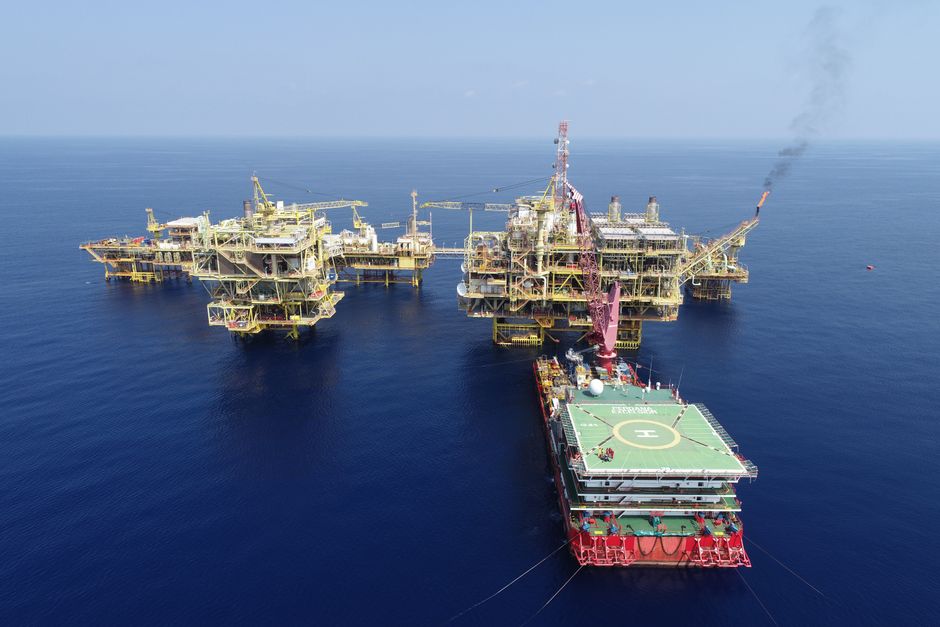
The Middle East is once again on a knife's edge. Houthi militants, backed by Iran, have openly threatened to target Saudi oil sites. This is not a theoretical warning; it is a direct challenge to one of the world's most critical energy arteries. Saudi Arabia, the de facto leader of OPEC+ and a linchpin of global oil supply, now faces the prospect of attacks on its production and export infrastructure.
At the same time, Iran has escalated its rhetoric. Tehran has explicitly warned that if the Trump administration orders military strikes on Iranian assets, it will respond by destroying regional infrastructure. That threat is not vague — it covers energy facilities, transportation hubs, and potentially even choke points like the Strait of Hormuz.
"Iran threatens to destroy regional infrastructure if Trump attacks." — This stark warning, reported on July 16, sent a clear signal that the conflict could spill over into a broader regional war.
The US added fuel to the fire with a missile strike on an oil tanker. That action, described in breaking reports, has been interpreted by adversaries as a direct provocation. The tanker strike alone has already disrupted maritime security in the Persian Gulf, raising insurance and shipping costs for crude carriers.
Crypto's False Sense of Independence
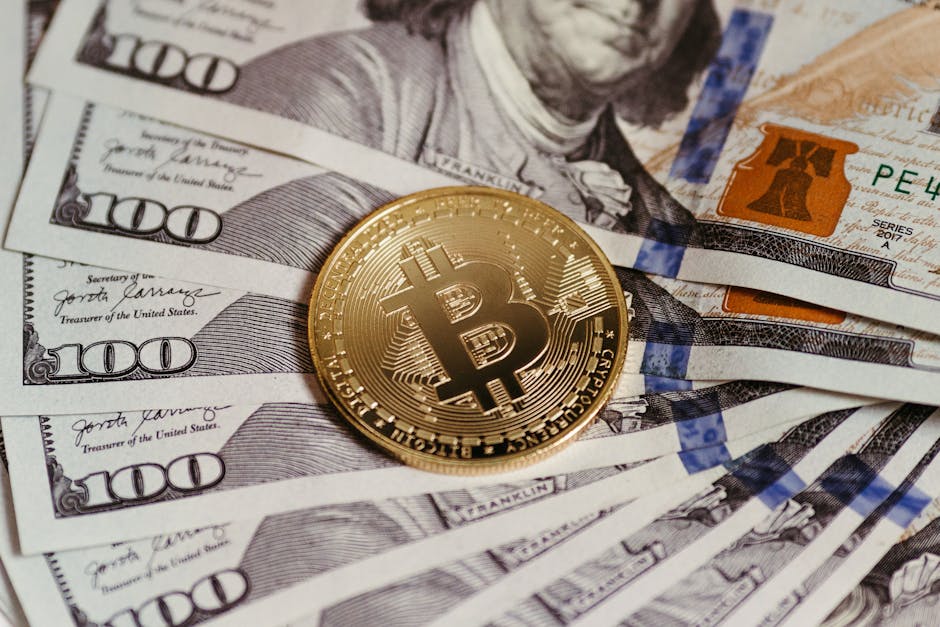
One of the most striking developments is how digital assets have reacted. For years, crypto proponents claimed that Bitcoin and its peers were "non-correlated" assets — a hedge against traditional market chaos. This event has tested that thesis — and failed it.
Geopolitical tensions highlight crypto's vulnerability to global events, challenging its perceived independence from traditional market risks. When Iran threatened infrastructure and the US struck an oil tanker, crypto markets immediately went risk-off. This is not a small tremor; it is a reminder that digital assets remain tied to global risk sentiment, especially when the shock originates from the world's energy heartland.
"Geopolitical tensions highlight crypto's vulnerability to global events, challenging its perceived independence from traditional market risks."
The market's reaction is not just about fear of immediate war. It also reflects the reality that crypto networks, particularly those used for borderless transfers, could become tools for conflict financing. This linkage is already drawing sharper scrutiny from regulators.
The Energy Shockwave
The threat to Saudi oil facilities could destabilize regional markets. Saudi Arabia produces roughly 10 million barrels of oil per day, and any sustained disruption would have immediate global consequences. Even a temporary shutdown of a major processing facility could knock hundreds of thousands of barrels offline.
To make matters worse, Dana Gas has shut down the Khor Mor field in Iraq amid security threats. That field supplies natural gas to power plants and industrial users across northern Iraq. The shutdown may exacerbate regional energy shortages and drive global oil prices higher amid ongoing geopolitical tensions.
"The shutdown may exacerbate regional energy shortages and drive global oil prices higher amid ongoing geopolitical tensions."
If the Houthi threat materializes and hits Saudi Aramco facilities, the oil market could see a supply shock reminiscent of the 2019 Abqaiq-Khurais attacks — but this time amid a much more volatile political backdrop.
Regulatory Fallout for Digital Assets
One of the less-discussed consequences is the potential for heightened regulatory scrutiny on crypto networks. The threat to Saudi oil facilities could destabilize regional markets and heighten regulatory scrutiny on crypto networks linked to conflict financing.
Governments, especially the US and European Union, are already exploring how to track and sanction crypto wallets associated with militant groups. The Houthi movement, like Hezbollah and Hamas, has been accused of using digital currencies to bypass traditional banking sanctions. If the Saudi oil threat is traced to crypto funding, the regulatory response could accelerate.
This is a double-edged sword for the industry. Clarity around rules could legitimize crypto, but it could also impose strict controls that undermine privacy and decentralization.
The US and Iran: A Dangerous Game
The US under the Trump administration has adopted an aggressive posture toward Iran. The missile strike on an oil tanker is the most recent example. Tehran has responded with threats that could escalate beyond rhetoric into direct attacks on infrastructure.
"Iran threatens to destroy regional infrastructure if Trump attacks."
This standoff creates a dangerous feedback loop. Each US strike invites retaliation, which then draws a heavier US response. For energy markets, the risk of a sudden supply disruption is now higher than it has been in years. For crypto markets, the uncertainty is eroding the safe-haven narrative that Bitcoin promoters have worked hard to build.
The timeline of events from July 16 tells the story:
- Houthi militants threaten Saudi oil sites.
- US missile strike on an oil tanker.
- Iran warns of destroying regional infrastructure.
- Dana Gas shuts down the Khor Mor field in Iraq.
- Crypto markets tumble.
Looking Ahead
The coming days will be crucial. Will Saudi Arabia respond with military action to protect its oil sites? Will the US and Iran step back from the brink, or is the region heading toward a broader conflict? For crypto investors, the old adage "don't fight the Fed" may become "don't ignore geopolitics."
The situation is fluid, and every new headline could move both oil and digital asset prices. What remains clear is that the decoupling thesis — the idea that crypto operates in a separate universe from traditional risk — has taken a significant hit. Investors who ignore geopolitical tail risk do so at their peril.