In a move that reshapes the geopolitical landscape of the Middle East, the United States Central Command has lifted the naval blockade on the Strait of Hormuz, signaling a breakthrough in US-Iran negotiations. Oil markets responded with a dramatic 10% drop in Brent crude as tankers prepare to resume passage through the world's most critical oil chokepoint.
What to know
- US CENTCOM officially lifted the naval blockade on the Strait of Hormuz on June 18, 2026.
- The decision follows the emergence of a US-Iran peace deal, easing tensions that have gripped the region for months.
- Brent crude prices tumbled 10% within hours, reflecting market relief over restored supply routes.
- Tankers carrying Iranian oil and other cargoes are now free to navigate the strait without interference.
- Analysts expect the development to stabilize global energy markets and reduce inflationary pressures.
- Asian markets, particularly those heavily reliant on Middle Eastern oil, have rallied on the news.
- US gasoline prices have dropped below $4 per gallon, offering tangible relief to American consumers.
- The deal could also enhance the legitimacy of cryptocurrencies in international trade, according to observers from Crypto Briefing.
The Diplomatic Breakthrough: Strait of Hormuz Reopens
For months, the Strait of Hormuz was a flashpoint in US-Iran tensions. The US naval blockade, imposed as part of a pressure campaign, effectively cut off Iran's oil exports and threatened the flow of roughly 20% of the world's petroleum. The decision to lift the blockade came as a surprise to many market participants, who had expected a prolonged standoff. Instead, a swift de-escalation has opened the door for a broader diplomatic rapprochement between Washington and Tehran.
The US and Iran appear to have reached an understanding that prioritizes economic stability over military confrontation. Tankers that had been idling in the Gulf are now moving toward the strait, eager to resume shipments. The immediate impact on oil supply is significant: Iranian crude, sidelined by sanctions and the blockade, could return to global markets more quickly than anticipated.
"The lifting of the blockade may stabilize global energy markets, enhance crypto's legitimacy in international trade, and foster US-Iran diplomacy." — Crypto Briefing
Logistically, the reopening of the Strait removes a bottleneck that had added a risk premium to every barrel of oil transiting the region. Insurers had hiked premiums for vessels passing through, and shipping firms had rerouted cargoes at higher costs. With the blockade gone, these costs are already falling, contributing to the price drop.
Oil Markets in Turmoil: 10% Plunge for Brent
The 10% decline in Brent is one of the largest single-day drops in recent history. It reflects not only the removal of a supply constraint but also a broader reassessment of the risk premium baked into oil prices. For weeks, traders had priced in a high probability of continued disruption. The lifting of the blockade effectively erased those premiums overnight.
Brent crude, the global benchmark, fell from around $85 to the mid-$70s per barrel in a matter of hours. Other benchmarks like WTI also declined, but Brent's drop was most pronounced due to its direct exposure to Middle Eastern supply. The surge in available tanker capacity and the prospect of Iranian barrels re-entering the market added to the selling pressure.
"The easing of geopolitical tensions may sustain lower oil prices, impacting global markets and reducing the likelihood of price spikes." — Crypto Briefing
However, the selloff may not be over. Some analysts warn that if the US-Iran deal consolidates, even more supply could come online, pushing prices lower. OPEC+ now faces a delicate balancing act: managing output amidst a potential flood of Iranian oil.
Ripple Effects Across the Global Economy
The impact of the blockade lift extends well beyond oil markets. Asian markets, which import vast quantities of Middle Eastern crude, have reacted positively. The US-Iran peace deal is expected to boost economic optimism across the region, fostering growth in countries like Japan, South Korea, and India. Equity indices in Asia posted broad gains on the news.
On the consumer front, US gasoline prices have dropped below $4 per gallon for the first time in months. This provides immediate relief to households and reduces a key driver of inflation. The White House is likely to welcome the development as a win for its economic agenda.
"The US-Iran peace deal may stabilize global oil prices, reduce inflation, and enhance economic optimism in Asian markets, fostering growth." — Crypto Briefing
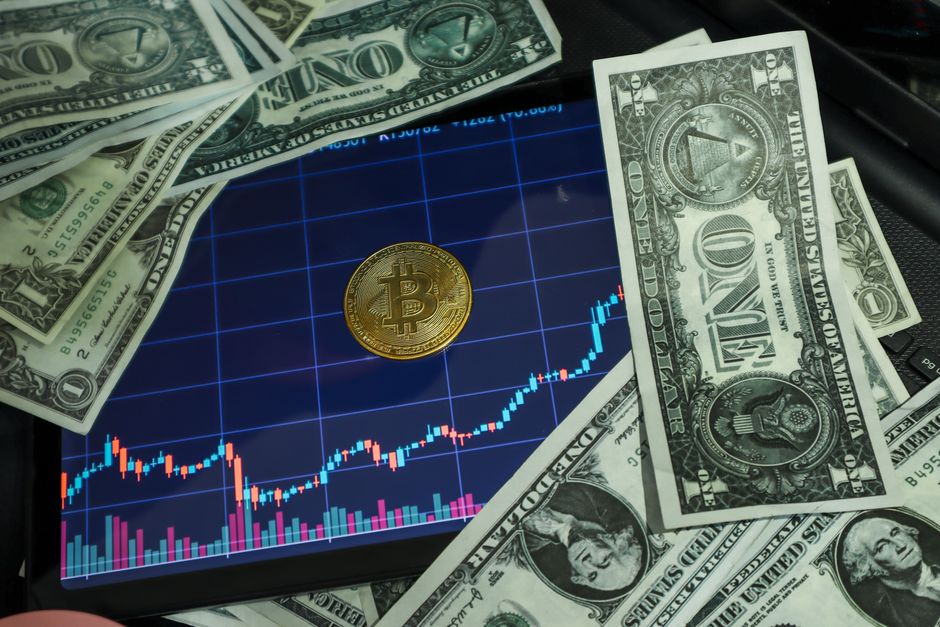
For the crypto sector, the development carries a unique subtext. The peaceful resolution of a major geopolitical crisis via diplomatic channels could enhance the legitimacy of digital assets in international trade. Cryptocurrencies, often touted as tools for cross-border transactions, may see increased adoption in a less confrontational global environment. Some reports from Crypto Briefing highlight this cross-sector connection.
Yet not all markets are cheering. US stocks slipped amid lingering inflation concerns, even as oil fell. The conflicting signals underscore the delicate balance investors must navigate.
The Fed's Dilemma: Rate Outlook in Flux
Lower oil prices typically ease inflationary pressures, which could give the Federal Reserve room to pause or even reverse its tightening cycle. But the picture is complicated. Core inflation remains sticky, and the labor market is still tight. The drop in gasoline prices may provide only temporary relief if underlying price pressures persist.
Market volatility persists as geopolitical optimism clashes with inflation concerns. The Fed's rate outlook is now a key variable. If the US-Iran deal holds, the central bank may be more comfortable taking a dovish stance. However, any breakdown in negotiations could reignite oil prices and force a different response.
"Market volatility persists as geopolitical optimism clashes with inflation concerns, highlighting the delicate balance investors must navigate." — Crypto Briefing
Looking Ahead
The lifting of the naval blockade on the Strait of Hormuz marks a turning point in US-Iran relations and a major shift in global energy markets. The immediate effects are visible: lower oil prices, higher Asian equity markets, and a renewed sense of diplomatic possibility.
But the long-term implications will depend on the durability of the peace deal. If it holds, the world could see a prolonged period of energy stability, lower inflation, and new opportunities for international cooperation — including in emerging sectors like crypto. If it fails, the volatility will return swiftly.
For now, traders, policymakers, and consumers alike are breathing a sigh of relief. The tankers are moving again, and for the first time in months, the horizon looks clearer. The key question remains whether US and Iran can sustain the momentum needed to turn this diplomatic opening into a lasting peace.