The convergence of a naval chokepoint crisis and digital currency innovation is creating a volatile new landscape for global markets—one where military threats and Bitcoin adoption move in lockstep.
What to know
- The US government has explicitly vowed to target Iranian military infrastructure if the Islamic Republic threatens shipping through the Strait of Hormuz.
- Iran’s IRGC (Islamic Revolutionary Guard Corps) now mandates coordination with its forces for all vessels transiting the strait, tightening Tehran’s grip on one of the world’s most vital oil passages.
- Cryptocurrency adoption is accelerating: Iran is exploring Bitcoin payments for transit fees and oil transactions, aiming to circumvent US-led financial sanctions.
- The escalating tensions risk collapsing a recently signed Iran-US memorandum of understanding (MoU), as each side accuses the other of bad faith.
- Rising oil prices are almost certain, with analysts warning of a spike well above $100 per barrel if shipping disruptions materialize.
- Regulatory scrutiny on crypto is expected to intensify, as Western authorities grow wary of Iran using digital assets to bypass sanctions.
- The situation has drawn attention from Crypto Briefing and other outlets, highlighting the intersection of geopolitics and emerging financial technology.
The Chokepoint at the Heart of the Crisis
The Strait of Hormuz is no ordinary stretch of water. It is the conduit for roughly one-fifth of the world’s petroleum consumption—a narrow channel that Iran has repeatedly threatened to close or control during periods of confrontation. Recent developments suggest that Tehran is not merely bluffing.
On June 28, 2026, the US government issued a stark warning: any attempt to disrupt commercial shipping in the strait would trigger immediate military strikes on Iranian military infrastructure. The statement, reported by Crypto Briefing, came amid a series of escalatory moves by Iran and its IRGC. Days earlier, Iran mandated that all vessels coordinate with the Revolutionary Guards before transiting the strait—a de facto assertion of naval authority that Washington views as a direct challenge to international law.
This is not rhetoric in a vacuum. The US and Iran had been working toward a fragile understanding—an MoU aimed at de-escalating regional tensions. That diplomatic channel is now fraying. The IRGC’s actions, including what appear to be retaliatory strikes after earlier Hormuz incidents, are seen in Washington as a deliberate provocation designed to undermine the MoU. The risk of renewed, sustained conflict is higher than it has been in years.
The Oil Market Calculus
Any disruption to tanker traffic through the Strait of Hormuz would send immediate shockwaves through global oil markets. Even the threat of disruption is enough to drive prices higher, as traders price in risk premiums on crude cargoes from the Persian Gulf. The current standoff has already led to increased volatility in Brent and WTI futures, though the data from the Trend does not specify exact price movements.
The US commitment to protect freedom of navigation is unambiguous, but the means—military strikes on Iranian soil—carry an enormous risk of escalation. If Iran retaliates by mining the strait or attacking tankers, the resulting supply crunch could be severe. Countries heavily dependent on Middle Eastern oil, including many in Asia and Europe, would face immediate pressure. Strategic petroleum reserves might be tapped, but a prolonged closure could test the limits of global spare capacity.
Crypto as a Sanctions-Busting Tool
While the world’s attention is fixed on oil prices, a quieter transformation is underway. Iran is actively exploring the use of cryptocurrencies—particularly Bitcoin—to facilitate international payments for oil and transit fees. This is not a fringe experiment; it is a strategic response to the ever-tightening web of US financial sanctions.
Crypto Briefing’s reports indicate that Iran’s control over the strait could directly accelerate the adoption of digital assets in trade. The logic is straightforward: if the traditional banking system is weaponized against Iran, Tehran will seek alternatives. Bitcoin, with its decentralized and permissionless nature, offers a channel for cross-border value transfer that does not rely on the SWIFT network or US-dollar clearing.
This development has profound implications. It could lead to a bifurcation of global trade finance—one track for sanctioned nations using crypto, another for the rest of the world. It also raises the stakes for regulators. The US and its allies are already ramping up scrutiny of cryptocurrency exchanges and miners, worried that digital assets could become a primary vehicle for sanctions evasion. The Strait of Hormuz crisis may be the catalyst that transforms that concern into aggressive enforcement.
The Regulatory Double-Edged Sword
For the cryptocurrency industry, the situation is deeply ambiguous. On one hand, rising geopolitical instability often drives demand for decentralized assets as a hedge against fiat currency debasement and frozen accounts. On the other hand, increased usage by sanctioned states invites a regulatory backlash that could stifle innovation and limit access for legitimate users.
The IRGC’s involvement in crypto transactions adds a layer of complexity. The Revolutionary Guards are already designated as a terrorist organization by the US. Any association between crypto flows and the IRGC could prompt exchanges to blacklist entire regions or implement draconian know-your-customer (KYC) rules. The Crypto Briefing reports note that “regulatory scrutiny on crypto” is likely to intensify as a result of the Hormuz tensions.
Meanwhile, the possibility of a US-Iran military conflict could also spill over into the digital asset space. If the US government decides to target Iranian crypto mining infrastructure—which is substantial, thanks to cheap energy—it might create supply shocks for Bitcoin’s hashrate. The interplay between kinetic warfare and digital mining is uncharted territory, but it is no longer science fiction.
Who Is Affected?
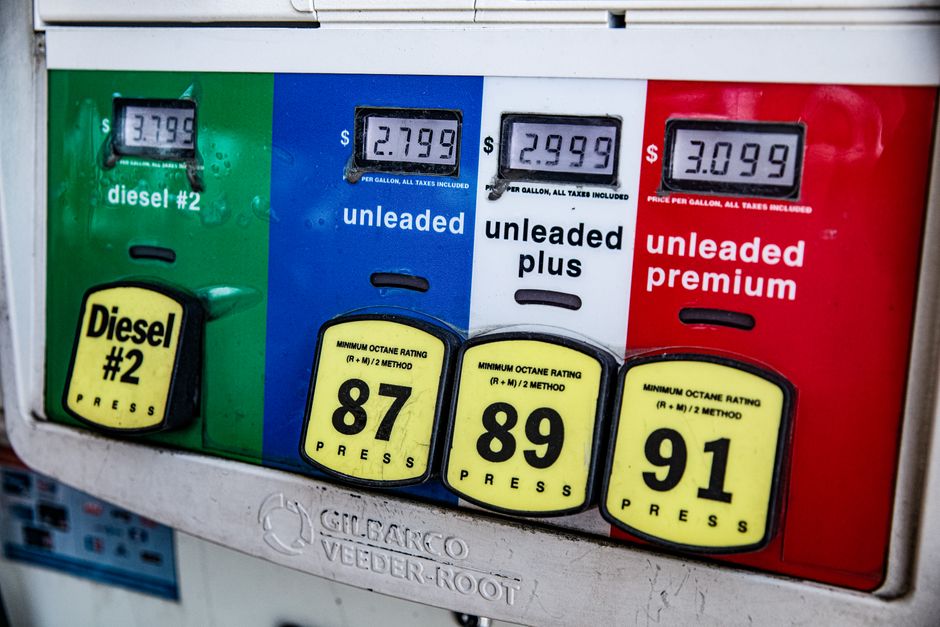
The immediate impact will be felt by global energy consumers. Higher oil prices translate into higher gasoline, heating, and transportation costs, feeding inflation in economies still recovering from recent shocks. Developing nations that import crude from the Gulf are especially vulnerable; they lack the fiscal buffers to absorb price spikes.
Investors in crypto markets are also on notice. If the Strait of Hormuz crisis escalates, we could see a flight to safe-haven assets like gold and Bitcoin, or a risk-off selloff that drags everything down. The correlation between Bitcoin and traditional risk assets has been inconsistent, but a true geopolitical shock tends to hit all speculative markets initially.
Shippers and insurance companies face immediate operational risks. Vessels transiting the strait may demand war-risk premiums or refuse to sail altogether. The IRGC’s mandate for coordination creates a bureaucratic bottleneck that could delay deliveries and increase costs.
Looking Ahead
The coming weeks will determine whether the Strait of Hormuz becomes a flashpoint for war or a pressure cooker that forces both sides back to the negotiating table. The US has drawn a clear red line on shipping; Iran has doubled down on its strategic control. The IRGC shows no signs of backing down, and Washington’s military posture suggests it is prepared to follow through on its threats.
For the cryptocurrency world, the crisis is both a stress test and a coming-of-age moment. If Iran successfully integrates Bitcoin into its trade infrastructure, it will prove that decentralized money can function as a sanctions-busting tool—an outcome that regulators will fight tooth and nail to prevent. The next few months could reshape the global financial architecture in ways that few predicted.
The only certainty is uncertainty. The Strait of Hormuz is once again the pivot point where energy security, military power, and financial technology collide.