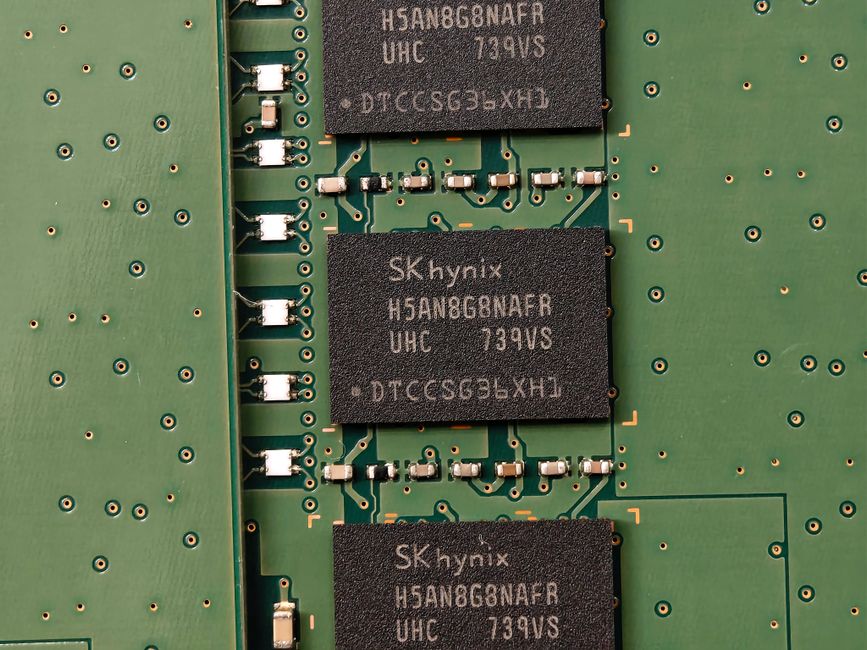
The semiconductor selloff is deepening, and Micron's 13% plunge may be the canary in the coal mine for AI infrastructure bets. Investors are recalibrating as fears of overvaluation spread across the sector.
What to know
- Micron shares fell 13% ahead of its earnings report, marking a sharp reversal in the AI chip rally that had dominated markets.
- The broader semiconductor selloff spread to Wall Street, with major indices ending lower amid AI spending concerns.
- Analysts are drawing parallels between the current AI boom and the dot-com era, warning of a potential bubble burst.
- The selloff highlights vulnerabilities in AI infrastructure investments, particularly in companies heavily tied to AI-driven demand.
- Micron's upcoming earnings report is now viewed as a critical signal—either confirming AI market resilience or accelerating the downturn.
- The event has prompted a broad reevaluation of valuations across the AI chip sector, impacting investor confidence and market dynamics.
- Liquidity tightening could ripple into tech and crypto sectors if the selloff deepens.
The 13% Shock
On June 24, Micron Technology saw its stock price collapse by 13% ahead of its quarterly earnings report. The steep decline raised eyebrows across the semiconductor world because Micron had been a poster child for the AI chip rally. The stock had ridden a wave of optimism around AI-driven memory demand, but suddenly, the momentum vanished.
What triggered the sudden plunge? Two forces collided: profit-taking ahead of a high-stakes earnings release and a growing unease about whether AI spending can sustain the lofty valuations baked into chip stocks. The selloff was not isolated to Micron—it quickly engulfed the entire semiconductor sector.
13% wiped off Micron's market cap in a single session. The question now is whether this is a healthy correction or the beginning of a deeper rout.
The event sent shockwaves through Wall Street, where the broader market ended lower as the semiconductor selloff spread. The message from traders was clear: the AI chip rally has hit a wall.
Beyond Micron: A Sector Under Pressure
The selloff was not confined to Micron. Other chipmakers and AI-related tech stocks also took hits as the market questioned the sustainability of AI infrastructure spending. For months, investors had piled into semiconductor stocks, betting that the explosion in AI workloads would fuel insatiable demand for GPUs, memory, and networking chips. But the selloff on June 24 suggested that optimism may have run too far.
The broader market context is important. Wall Street had been riding a wave of AI enthusiasm, but the semiconductor selloff acted as a circuit breaker. The Nasdaq Composite and other major indices ended lower, reflecting a loss of confidence that went beyond a single stock.
The selloff also highlighted vulnerabilities in the AI investment thesis. Many companies have poured billions into building AI data centers and buying chips, but with little clarity on when those investments will generate meaningful returns. The market is now demanding proof, not promises.
AI Infrastructure Under a Microscope
The panic around Micron and other chip stocks has put AI infrastructure investments squarely under a microscope. Analysts are drawing uncomfortable parallels to the dot-com bubble, when massive spending on internet infrastructure preceded a dramatic crash. The question hanging over the market is whether AI will follow the same trajectory.
Some argue that the comparison is valid: the AI sector has seen a flood of capital chasing a narrative that may be overhyped. Others contend that AI is a genuine transformative technology with long-term demand, and that the selloff is a necessary shakeout.
The dot-com parallels are hard to ignore. In the late 1990s, companies spent heavily on fiber optic networks and servers, only to see valuations collapse when profits failed to materialize. AI infrastructure may face a similar reckoning.
The selloff has also raised concerns about liquidity tightening. If the AI bubble bursts, the ripple effects could extend into crypto and other risk-on assets, as investors pull back from speculative plays. The timeline from Crypto Briefing noted that the market's AI bubble concerns could tighten liquidity, impacting tech and crypto sectors.
The Earnings Litmus Test
All eyes are now on Micron's upcoming earnings report, scheduled for release after the June 24 selloff. The report could serve as a litmus test for the entire AI chip sector. If Micron delivers strong results and offers an upbeat outlook, it may stabilize volatile semiconductor stocks and restore investor confidence. If it disappoints, the selloff could accelerate.
Micron's earnings are particularly significant because the company is a bellwether for memory demand. Memory chips are a key component in AI servers, and Micron's financial health offers clues about the broader AI supply chain. A strong report would signal that AI spending remains robust, despite the market's jitters.
But the selloff itself may have been partly driven by expectations of a weak earnings report. Pre-announcement volatility is common, but a 13% drop is extreme. It suggests that the market is bracing for bad news—or that it has already lost faith in the AI narrative.
Who Else Is Affected?
The selloff is not just a problem for Micron and Wall Street traders. It has broader implications for the tech ecosystem, including crypto markets and other AI-related companies. Crypto Briefing reported that the market's AI bubble concerns could parallel the dot-com era and lead to tighter liquidity, impacting crypto and tech sectors.
Investors who had chased AI-related crypto projects or tokens tied to AI infrastructure may also feel the heat. The selloff serves as a reminder that AI and crypto are increasingly interlinked through data center demand and speculative capital flows.
For retail investors, the message is sobering: the AI trade that worked so well for months can reverse violently when sentiment shifts. Diversification and risk management have become essential.
Investor Confidence and the Road Ahead
The plunge in Micron shares has dealt a blow to investor confidence in the AI chip sector. For months, the rally seemed unstoppable, driven by a narrative of endless demand. Now, the market is waking up to the reality that valuations matter, and that AI investments carry real risk.
The question of whether the selloff is a healthy correction or the start of a longer downturn depends on several factors. First, Micron's earnings will set the tone. Second, broader economic conditions—such as interest rates and trade tensions—will influence investor appetite for risk. Third, the ability of AI companies to demonstrate tangible returns on their massive infrastructure spending will be crucial.
The fate of the AI chip sector now hangs on Micron's quarterly numbers. If they dazzle, the selloff may become a footnote. If they falter, the bubble narrative will roar back.
Looking Ahead
The semiconductor selloff has served as a stark reminder that even the hottest sectors are not immune to gravity. Micron's 13% plunge is a signal that the market is reevaluating AI chip valuations with fresh skepticism. The next few days will be decisive. If Micron's earnings report surprises to the upside, the selloff may be remembered as a buying opportunity. If it disappoints, the AI sector could face a prolonged period of adjustment.
For now, investors are watching, waiting, and bracing for volatility. The AI chip rally has hit a wall—but whether that wall is a speed bump or a dead end remains to be seen.