As the virtual signing of a US-Iran nuclear deal draws near, the geopolitical ripple effects are already being felt from Islamabad to Jerusalem. Pakistan emerges as a mediator, Israel convenes its security cabinet, and global markets brace for impact.
What to know
- A US-Iran nuclear deal is on the verge of being formalized, with a virtual signing ceremony hosted by Pakistan.
- Pakistan is acting as a mediator, a role that could significantly boost its diplomatic standing in the region.
- Israel has convened its mini-ministerial council to discuss the implications for its security strategy.
- The deal has the potential to both ease geopolitical tensions and heighten regional tensions, depending on implementation.
- Global energy markets could be impacted, given Iran's position as a major oil producer.
- Crypto Briefing, a news outlet focused on digital assets, has reported extensively on the deal, linking it to potential market movements.
- The agreement could reshape power dynamics across the Middle East, affecting alliances and security calculations.
The Deal Takes Shape
On June 13, 2026, multiple reports from Crypto Briefing confirmed that a US-Iran nuclear agreement is moving toward its final stage. The signing ceremony is set to be held via video conference, with Pakistan acting as the host and mediator. This marks a rare moment of diplomatic convergence between Iran and the United States, two nations that have been at odds for decades.
The timeline of events suggests a fast-moving process. The Israeli government, sensing the strategic weight of the deal, quickly convened its mini-ministerial council to assess the implications. The cabinet meeting signals the high stakes involved for a country that has long viewed Iran's nuclear ambitions as an existential threat.
The virtual signing represents a dramatic shift from years of hostility, but the true test will be in the implementation.
A Shifting Regional Order
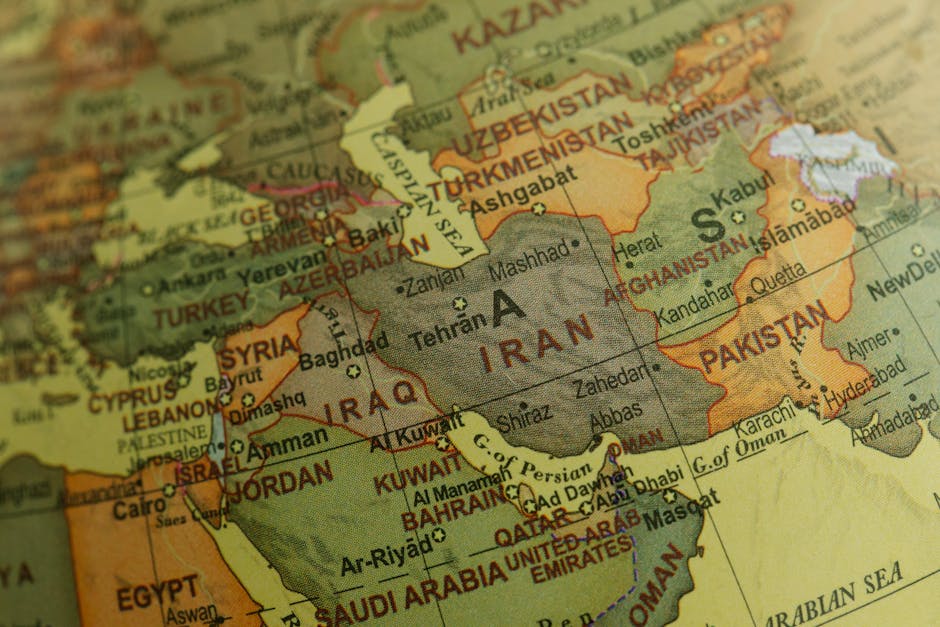
The most immediate consequence of a US-Iran deal is the potential to reshape Middle Eastern power dynamics. The reports highlight both an easing of geopolitical tensions and a possible heightening of regional tensions. This contradiction reflects the complexity of a region where every move creates winners and losers.
For Iran, a formal agreement could bring economic relief and a path back into the international community. For its neighbors—especially Saudi Arabia and the Gulf states—the deal could either reduce the threat of conflict or embolden Iran to expand its influence. The balance is delicate.
Pakistan's involvement adds a new variable. By hosting the signing, Pakistan positions itself as a diplomatic bridge between Washington and Tehran. This could enhance its influence not only in South Asia but across the broader Middle East. It also signals Pakistan's willingness to play a constructive role in regional stability.
Israeli Calculations and Security Concerns
Israel's response has been swift and deliberate. The convening of the mini-ministerial council indicates that the deal is being treated with the utmost seriousness. Israeli security strategy has long been predicated on preventing Iran from acquiring nuclear weapons or a breakout capability. A verifiable deal could change that calculus, but only if trust is established.
The reports note that the deal could impact Israel's security strategy significantly. This suggests that Israel may need to recalibrate its military and diplomatic posture. Some analysts fear that a deal could embolden Iran's proxies in the region, from Lebanon to Yemen, while others see an opportunity to reduce the risk of a broader war.
For Israel, the deal is a double-edged sword: it could remove the immediate nuclear threat but also accelerate regional proxy conflicts.
Beyond the Region: Energy Markets and Global Stability
The impact of a US-Iran nuclear deal extends far beyond the Middle East. Global energy markets are likely to react, as Iran is one of the world's largest holders of oil and gas reserves. If sanctions are lifted, Iran could add significant supply to the market, potentially lowering prices and affecting the strategies of major producers like Saudi Arabia and Russia.
The reports from Crypto Briefing also link the deal to the world of digital assets. A reduction in geopolitical risk often correlates with shifts in cryptocurrency markets, as investors seek safer assets or liquidity. While no specific price movements are mentioned, the connection underscores the interconnectedness of global finance and diplomacy.
The Road Ahead: Risks and Opportunities
As the US-Iran nuclear deal moves toward reality, the next steps will be critical. The virtual signing ceremony in Pakistan is a symbolic start, but the real work lies in verification and enforcement. Diplomatic hurdles remain, and the deal faces opposition from hardliners on both sides.
For Pakistan, the mediation role offers a chance to redefine its image as a peace broker. For Israel, the coming weeks will involve intense strategic discussions, possibly including new security arrangements with the United States. For the Middle East as a whole, the deal could usher in an era of reduced tensions—or spark new rivalries.
The one certainty is that the status quo is shifting. The balance of power in the Middle East is being redrawn, and all eyes are on the signing table.
Looking Ahead
The US-Iran nuclear deal is not a conclusion but a beginning. The coming months will test whether diplomacy can overcome decades of mistrust. Israel will watch closely, energy markets will react, and Pakistan's role will be scrutinized. The global community must remain engaged to ensure that the deal delivers on its promise of stability without creating new flashpoints.
And as Crypto Briefing continues to cover the story, the links between geopolitics and digital assets remind us that no market exists in a vacuum. The next chapter is being written now.