The convergence of high‑stakes diplomacy, legislative brinkmanship, and a sharp‑eyed energy investment has created a moment of rare strategic tension in Washington and beyond.
What to know
- Trump tied the renewal of FISA surveillance powers to a voting rights bill, creating a legislative logjam in Congress.
- A US‑Iran memorandum of understanding is expected to be signed in Geneva, following Qatar‑mediated talks, with Trump attending a deal announcement at a White House UFC fight.
- Iran’s decision on uranium enrichment could ease global tensions, impacting markets.
- TCIM, an investment firm, has set its sights on Devon Energy following its merger with Coterra.
- The Financial Times reported that TCIM’s focus could drive strategic changes enhancing shareholder value.
- The energy and geopolitics sectors are both directly affected, with potential shifts in national security and election law negotiations.
- Crypto Briefing covered all these angles, highlighting the intersection of energy, cybersecurity, and geopolitics.
The Energy Play: TCIM, Devon, and the Post‑Merger Chessboard
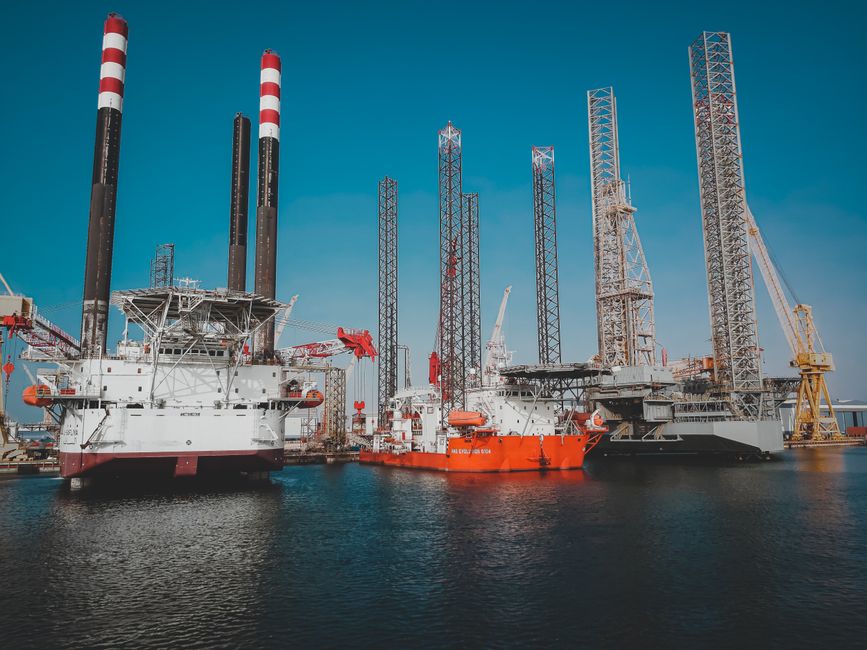
The energy sector is rarely static, but the involvement of TCIM transforms the landscape for Devon Energy and Coterra. According to the Financial Times, TCIM is targeting Devon Energy in the wake of its merger with Coterra. This is not a passive stake; it signals an activist approach that could force operational or structural changes.
TCIM’s bet on Devon Energy is a bet on the shale revolution staying alive amid regulatory uncertainty.
The merger between Devon and Coterra already created a Permian Basin behemoth. Now, with TCIM circling, investors are watching for cost‑cutting, asset sales, or even a full buyout. The move comes at a time when energy markets are grappling with geopolitical risk from the Middle East — and a potential easing of tensions could alter crude price forecasts.
Diplomatic Tightrope: The US‑Iran Deal and the Geneva Memorandum
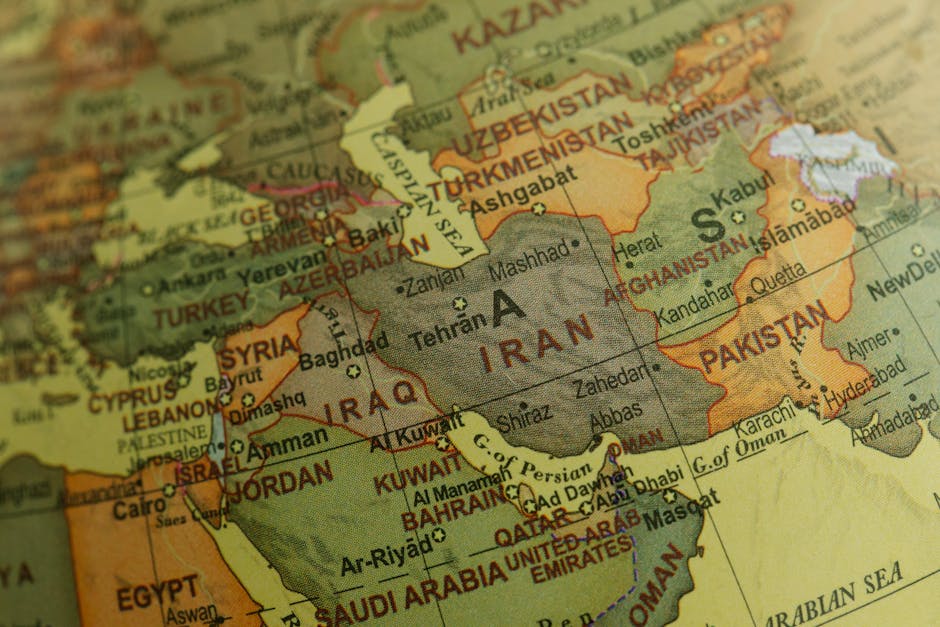
On the same day, Trump was front and center at a White House UFC fight to celebrate the US‑Iran deal announcement. Qatar’s mediation role has been pivotal, and the anticipated memorandum in Geneva could mark the first substantive diplomatic breakthrough between Washington and Tehran in years.
Iran’s decision on uranium enrichment is the linchpin. If the memorandum caps enrichment at a level acceptable to the international community, it could unlock sanctions relief and reshape global oil supply dynamics. For markets, that means lower risk premiums on crude and a potential easing of inflationary pressure.
The Geneva memorandum, if signed, would represent the most significant nuclear nonproliferation achievement since the JCPOA.
But the path is fraught. Hardliners on both sides remain skeptical, and any failure could reignite tensions faster than a uranium centrifuge.
Legislative Wrangling: FISA, Voting Rights, and the Trump Strategy
Trump’s decision to tie FISA renewal to a voting bill has thrown Congress into chaos. National security hawks want the surveillance powers reauthorized, while voting rights advocates see the linkage as a poison pill.
This strategy may hinder legislative progress, affecting market confidence. The uncertainty complicates negotiations on election law and national security simultaneously. Investors dislike uncertainty, and the gridlock in Washington adds another layer of risk to an already volatile geopolitical backdrop.
When surveillance and voting rights are held hostage to each other, nothing gets done — and markets pay the price.
The Crypto Briefing coverage notes that this could be a deliberate tactic to force a broader deal, but the risk of failure is palpable.
The Qatar Connection
Qatar’s growing diplomatic influence was on full display as it hosted US‑Iran talks in Doha. The tiny Gulf state has positioned itself as an indispensable mediator, capable of bridging gaps that larger powers cannot. This mediation could reshape regional power dynamics, reducing the influence of other players and opening new economic corridors.
For energy markets, Qatar’s involvement underscores the interconnectedness of natural gas politics and nuclear negotiations. As a major LNG exporter, Qatar has a vested interest in stable oil prices and reduced conflict.
Market Implications
The three developments — energy activism, diplomatic thaw, and legislative gridlock — pulse through markets in different ways.
- Crude oil futures reacted to the Iran news with volatility, as traders priced in the possibility of sanctions relief.
- Devon Energy and Coterra shares saw increased volume on the TCIM news, with speculation about a proxy fight or tender offer.
- Broader indices like the S&P 500 showed slight dips due to the FISA‑voting bill uncertainty, as investors hate gridlock.
The combination of a potential Iran deal and an activist energy investor creates cross‑currents that traders must navigate carefully.
Looking Ahead
The convergence of these three storylines — energy investment, diplomatic thaw, and legislative gridlock — creates a unique set of opportunities and risks.
For TCIM and Devon Energy, the next moves will be scrutinized by the entire energy sector. For the US‑Iran relationship, the Geneva signing will be the first of many tests. And for Trump and Congress, the FISA‑voting bill standoff will define the legislative agenda for the rest of 2026.
What to watch:
- The exact terms of the Iran memorandum and its impact on oil prices.
- TCIM’s formal proposal or filing with Devon Energy.
- The reaction of Congressional leadership to Trump’s linkage strategy.
- Any further Qatar‑brokered talks between the US and Iran.
This is not a quiet news day. It is a signal that the second half of 2026 will be defined by strategic jostling across energy, diplomacy, and domestic politics.