President Donald Trump and Iran have signed a ceasefire memorandum, initiating a 60-day negotiation period aimed at ending hostilities in the Middle East. Bitcoin surged past $65,000 as geopolitical risk premiums collapsed, but the durability of peace remains uncertain.
What to know
- President Donald Trump signed a ceasefire memorandum with Iran, ending active hostilities in the region.
- The deal establishes a 60-day negotiation period to formalize a broader peace agreement.
- Bitcoin rallied past $65,000, reflecting reduced risk premiums across global markets.
- The memorandum could reshape global oil markets by stabilizing the Middle East, a key energy corridor.
- Compliance by Iran is critical; unresolved issues and enforcement challenges pose significant risks.
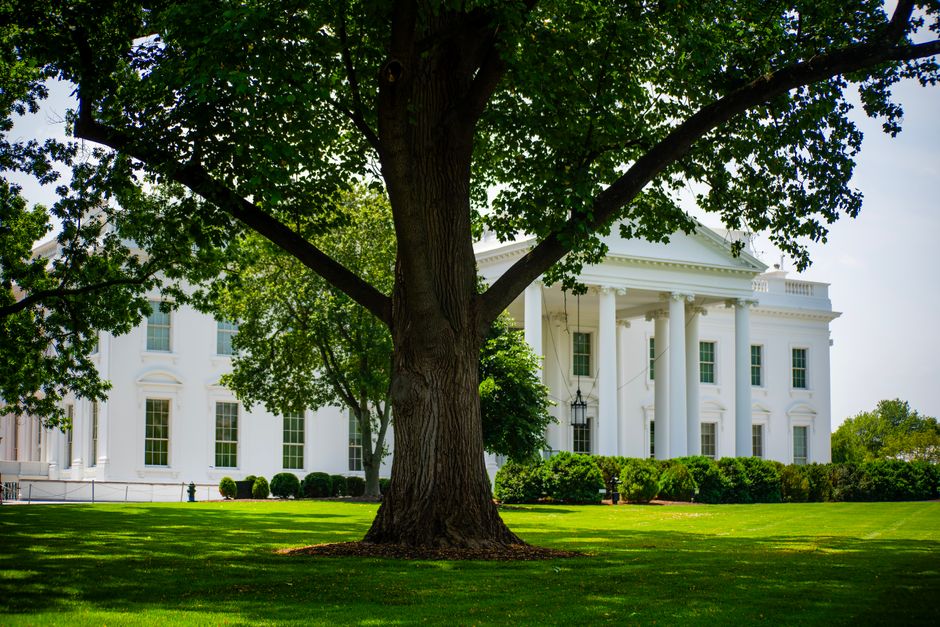
- The White House confirmed the signing, marking a potential shift in US-Iran relations.
- Crypto markets responded positively, with Bitcoin leading gains as safe-haven demand eased.
- The fragile peace hinges on successful negotiations and full implementation of the terms.
The Ceasefire Agreement
On June 17, 2026, President Donald Trump signed a ceasefire memorandum with Iran, bringing an official end to the military conflict that had gripped the Middle East. The White House confirmed the signing, framing it as a diplomatic breakthrough after months of escalating tensions. The memorandum sets a 60-day negotiation window during which both sides are expected to hash out a more permanent framework for peace.
The deal was reportedly brokered through back-channel talks, though specific terms remain undisclosed. What is clear is that the immediate cessation of hostilities has already sent shockwaves through financial markets. The White House emphasized that the next two months are critical, with Iran’s compliance being the linchpin of the entire arrangement.
The 60-day period is a high-stakes gamble — if negotiations succeed, it could redefine the geopolitical landscape; if they fail, the region could slide back into conflict.
Bitcoin’s $65K Rally
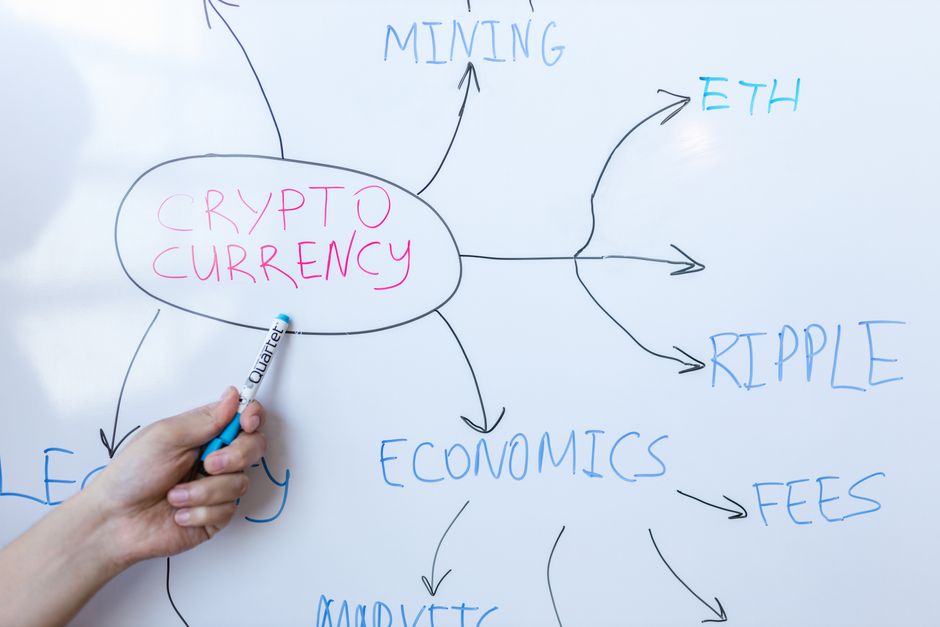
The market reaction was swift and dramatic. Bitcoin surged past $65,000, a level not seen since before the conflict escalated. Analysts attribute the rally to the collapse of the geopolitical risk premium that had been priced into crypto assets. With the fear of a broader Middle Eastern war receding, investors rotated back into risk-on positions, driving Bitcoin higher.
The rally was not isolated to crypto. Equities and oil-related assets also saw gains, but the magnitude of Bitcoin’s move underscored its growing sensitivity to macro geopolitical events. Some traders noted that the $65,000 level now serves as a psychological support in the short term, though volatility remains elevated.
Bitcoin breaking $65K suggests markets are pricing in a sustained de-escalation — but the next 60 days will test that assumption.
Global Oil Markets at a Crossroads
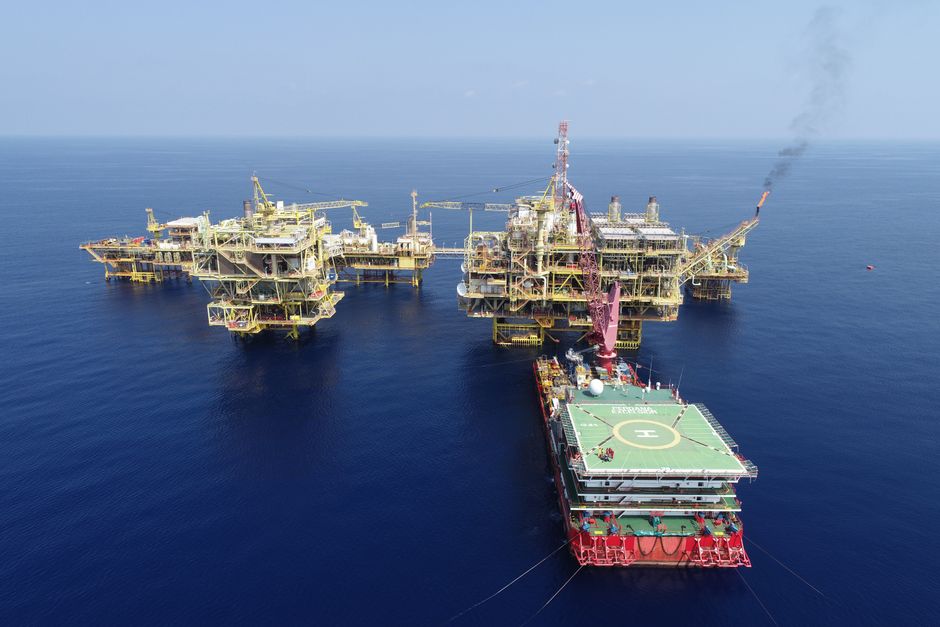
The Middle East is home to some of the world’s most critical oil chokepoints, including the Strait of Hormuz. The ceasefire memorandum has the potential to stabilize energy markets by removing the threat of supply disruptions. Oil prices initially dipped on the news, reflecting lower risk premiums, but the long-term impact will depend on whether the peace holds.
If negotiations succeed, analysts expect a more predictable oil supply environment, which could lower energy costs and ease inflationary pressures globally. Conversely, a breakdown in talks could reignite supply fears, sending oil prices sharply higher. The memorandum’s impact on global trade and energy markets is thus closely tied to Iran’s willingness to comply with the terms.
The stability of oil markets now hinges on a 60-day diplomatic clock — a rare moment of clarity in an otherwise volatile region.
The Fragile Peace
Despite the optimism, the path forward is fraught with risk. The memorandum is an interim measure, and the key to lasting peace lies in Iran’s compliance. Unresolved issues — including nuclear enrichment activities, regional proxy forces, and economic sanctions — remain contentious points. Any sign of noncompliance could unravel the deal and trigger a renewed crisis.
Donald Trump’s administration has a track record of aggressive posturing, and some analysts question whether the 60-day timeline is realistic. The White House has not detailed enforcement mechanisms, leaving room for interpretation. The fragile peace thus rests on a delicate balance of trust and leverage.
The next 60 days are not just about diplomacy — they are a stress test for Trump’s ability to manage a complex, high-stakes negotiation.
What This Means for Crypto Investors
For the crypto market, the memorandum represents a double-edged sword. On one hand, reduced geopolitical risk can unlock capital inflows into Bitcoin and other digital assets, as seen in the immediate rally. On the other hand, if negotiations fail, the resulting instability could trigger a sharp reversal, erasing gains.
Crypto investment strategies are likely to shift: some investors may increase exposure to Bitcoin as a hedge against fiat currency volatility in a post-conflict environment, while others may wait for clearer signals. The memorandum’s potential to stabilize geopolitical tensions could also influence institutional adoption, as regulatory clarity and market maturity remain key drivers.
For now, Bitcoin’s $65K level is a vote of confidence in the peace process — but the next 60 days will determine whether that vote holds.
Looking Ahead
The 60-day negotiation period is now the focal point for global markets. If Iran and the US can reach a comprehensive agreement, the geopolitical landscape could transform, boosting risk assets from oil to crypto. But the margin for error is razor-thin. Investors, policymakers, and traders will be watching every signal from Tehran and Washington.
Key milestones to monitor: Iran’s compliance with initial terms, any public statements from the White House, and the reaction of oil producers in the region. For crypto, the rally may have further room if peace holds, but a breakdown could trigger one of the sharpest sell-offs in recent memory. The fragile peace is a beginning, not an end — and the next two months will write the next chapter.