A proposed 20% shipping fee on cargo passing through the Strait of Hormuz — reportedly backed by former President Trump — has triggered a sharp sell-off in cryptocurrency markets, erasing $20 billion in value and raising alarms over global trade and energy security.
What to know
- On July 13–14, 2026, reports emerged that Trump is proposing a 20% fee on all shipping cargo moving through the Strait of Hormuz.
- The announcement wiped $20 billion from cryptocurrency markets, highlighting digital assets' sensitivity to macroeconomic and geopolitical developments.
- The fee is expected to disrupt global trade routes, elevate oil prices, and complicate monetary policy across multiple economies.
- Concurrently, US and Saudi forces are increasing military coordination against Houthi rebels in Yemen, escalating tensions across the Middle East.
- The ongoing conflict and failed diplomatic efforts further heighten regional instability, affecting energy and crypto markets.
- Diminished US strategic petroleum reserves — at their lowest since 1983 — amplify the country's vulnerability to supply shocks.
The Fee That Shook Markets
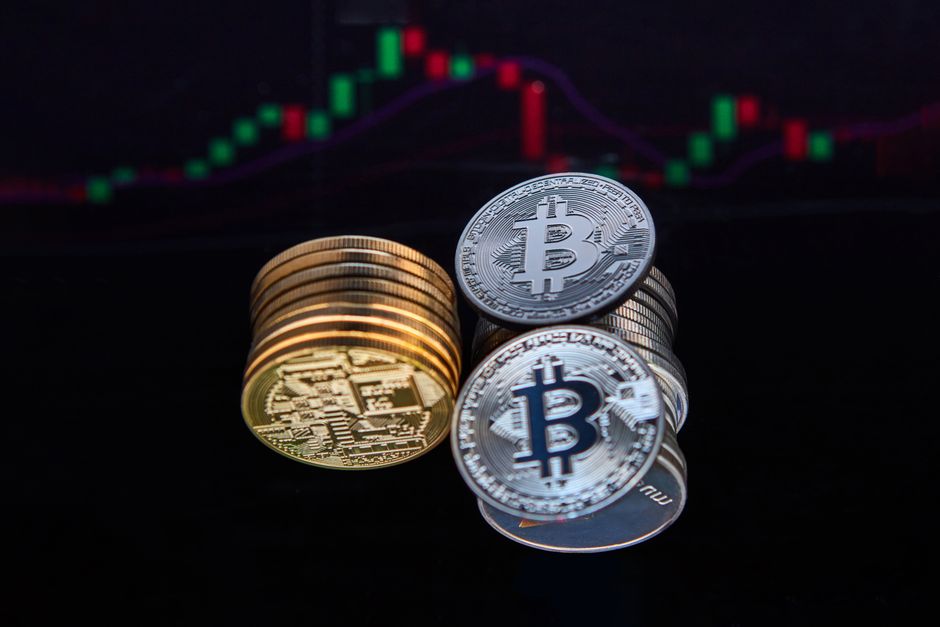
The numbers are stark: a single policy signal — a proposed 20% surcharge on every cargo vessel passing through the Strait of Hormuz — erased $20 billion from global crypto holdings in a matter of hours. The move, attributed to former President Trump and first reported by Crypto Briefing, instantly reframed crypto not as a hedge against traditional risks but as a casualty of them.
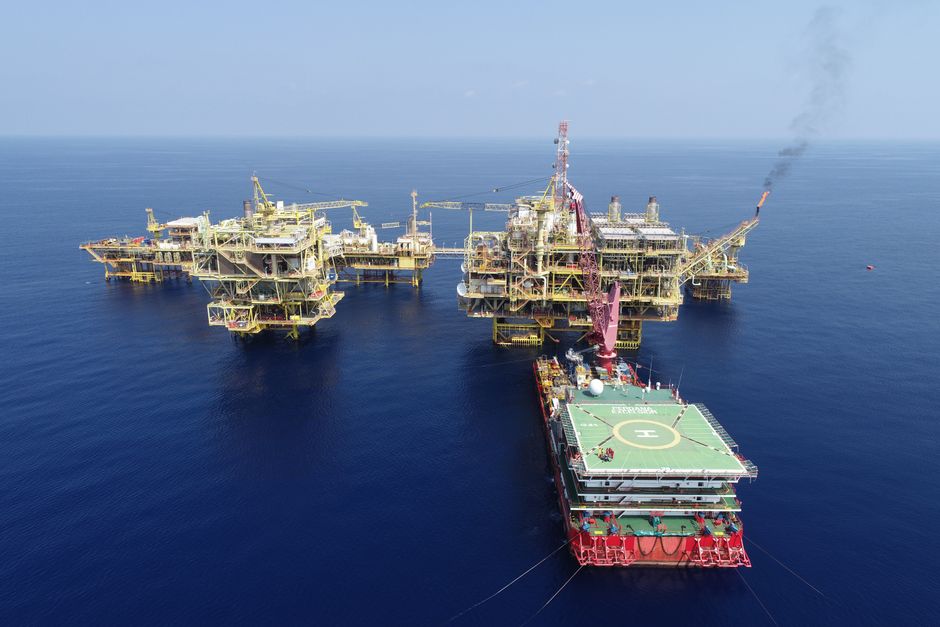
For traders, the reaction was immediate. Bitcoin and other major tokens sold off as the market priced in a cascade of potential outcomes: higher shipping costs, supply chain bottlenecks, and — most critically — a spike in energy prices that could slow global economic growth. The Strait of Hormuz is the world's most important oil transit chokepoint, handling roughly a fifth of global petroleum consumption. Any impediment there reverberates through every asset class.
The $20 billion crypto market drop is a stark reminder that digital assets remain tethered to the same macro forces that drive equities and commodities.
A New Front in Middle East Geopolitics
The fee plan did not emerge in a vacuum. Simultaneously, the US and Saudi Arabia have deepened military coordination against Houthi forces in Yemen. The Houthis, who control large parts of northern Yemen, have long threatened shipping lanes in the Red Sea and the broader region. The increased joint operations signal a more aggressive posture, aimed at securing maritime corridors — but they also risk a wider confrontation.
This dual escalation — economic via the fee, military via the strikes — creates a compounded risk premium for global markets. The Middle East is once again the epicenter of uncertainty, and investors are recalibrating accordingly. The failed diplomatic efforts cited in reports suggest that a quick de-escalation is unlikely.
Oil Markets on Edge
At the heart of the turmoil is oil. The Strait of Hormuz is the artery of global energy supply. A 20% fee on cargo effectively raises the cost of every barrel that passes through it, and the burden will be passed down the chain. Analysts expect oil prices to rise, though the exact magnitude depends on how quickly alternative routes or suppliers can respond.
The US itself is in a precarious position. Strategic petroleum reserves have fallen to their lowest level since 1983, limiting the government's ability to buffer against price spikes. This reserve depletion, combined with the fee and potential supply disruptions, creates a dangerous feedback loop: higher oil prices feed inflation, complicate central bank policy, and depress risk appetite — hitting crypto along with stocks.
With US oil reserves at a four-decade low, the country has less cushion to absorb supply shocks from the Hormuz fee.
Crypto's Macro Vulnerability
The $20 billion wipeout is a data point in a larger narrative: cryptocurrency markets are increasingly integrated with — and vulnerable to — macroeconomic and geopolitical shifts. While proponents often pitch digital assets as a hedge against centralized policy risk, events like this show that crypto can be just as exposed to trade disruptions, military conflict, and currency devaluation fears.
Regulatory uncertainty compounds the problem. The fee plan itself is a political tool, and its implementation could change rapidly. That unpredictability is poison for risk-on assets like crypto. The sell-off was broad-based, affecting everything from Bitcoin to smaller altcoins, indicating a systemic repricing rather than a sector-specific issue.
Monetary Policy Complications
Central banks face a headache. If oil prices rise significantly, inflation expectations could become unanchored. The fee effectively acts as a tax on global trade, raising costs for producers and consumers alike. Monetary policy across major economies — already struggling with post-pandemic inflation — will need to navigate this new supply shock.
Higher interest rates to combat inflation would further pressure crypto valuations, which are sensitive to liquidity conditions. Conversely, if central banks hold off on tightening to support growth, inflation could persist. The fee complicates that calculus, leaving policymakers with few good options.
Looking Ahead
The convergence of Trump's Hormuz fee, US-Saudi military operations, and depleted strategic reserves creates a uniquely volatile environment for energy and crypto markets. The $20 billion crypto sell-off may be only the first tremor. In the coming weeks, traders will watch for further geopolitical developments, potential diplomatic compromises, and signals from the Biden administration (or any successor) regarding the fee's implementation.
One thing is clear: the Strait of Hormuz remains the world's most dangerous chokepoint — not just for oil, but for every asset class connected to global growth. Crypto is no longer immune. It is, in fact, ground zero.