President Trump’s threat to seize Iran’s Kharg Island—the world’s largest offshore oil terminal—has sent shockwaves through global markets, raising the specter of runaway inflation and a new era of high interest rates.
What to Know
- Trump has signaled a willingness to seize Iran’s Kharg Island, which handles roughly 90% of Iranian crude exports, cutting off a major stream of global oil supply.
- The escalation follows attacks on US bases and a canceled round of airstrikes against Iran, highlighting a deeply unstable policy pendulum between confrontation and negotiation.
- Global oil markets could be destabilized, hitting economies reliant on Persian Gulf crude—especially in Asia and Europe—and threatening supply chains.
- A sustained oil price spike would feed into consumer inflation, putting pressure on central banks from the US Federal Reserve to the European Central Bank to maintain, or even raise, interest rates.
- Investor confidence is rattled: equity markets face headwinds while safe-haven assets and cryptocurrencies see heightened volatility.
- Sources including Crypto Briefing report that the cancellation of strikes shows diplomacy is not dead, but the fragile balance between war and peace creates persistent uncertainty.
- The situation remains fluid, with Trump vowing to “hit Iran hard” after any further attacks, while Iranian retaliation could escalate into a broader regional conflict.
The Kharg Island Scenario
Imagine a chokepoint so critical that seizing it would immediately drain millions of barrels a day from global oil flows. That is Kharg Island, a rocky speck in the Persian Gulf that serves as Iran’s primary crude export terminal. Trump has reportedly embraced a strategy to capture or disable this hub—a move that would effectively blockade Iran’s economy and upend the world’s oil supply.
The consequences are stark. 📉 Kharg Island alone accounts for roughly 2–3 million barrels per day of oil exports. Removing that volume from markets would send prices soaring above $150 per barrel, according to many analysts—a shock that would dwarf previous disruptions in Libya or the Strait of Hormuz.
But this is not just about oil. A seizure would represent a direct act of war against Iran, inviting retaliation that could expand into attacks on other Gulf infrastructure, further destabilizing supply. Even the mere threat has already injected volatility into futures markets, with traders scrambling to price in a range of catastrophic outcomes.
A Fragile Diplomatic Balance
The timeline of events reveals a whiplash of policy. On one hand, Trump reportedly canceled planned strikes on Iran amid signs of progress in peace talks. On the other, he openly vows to “hit Iran hard” after attacks on US bases. This contradictory posture underscores the fragile equilibrium between military force and diplomacy.
Sources describe the cancellation as a momentary de-escalation—but not a lasting one. The US has not abandoned the option of military action, and the Kharg Island plan remains on the table. The result is a situation where markets cannot assume a path to stability. Every new headline triggers a fresh wave of volatility.
For Iran, the calculation is equally perilous. With its economy already battered by sanctions, losing Kharg Island would be a mortal blow. Tehran is likely to respond asymmetrically—through proxies in the Red Sea, attacks on regional pipelines, or cyber operations against Gulf states.
Market Shockwaves
The financial system is already feeling the heat. 📈 Oil prices have jumped, and volatility indexes for crude are at multi-month highs. Equities in energy-sensitive sectors—airlines, transport, manufacturing—are under pressure. The ripple effects reach into bond markets, where inflation expectations are rising.
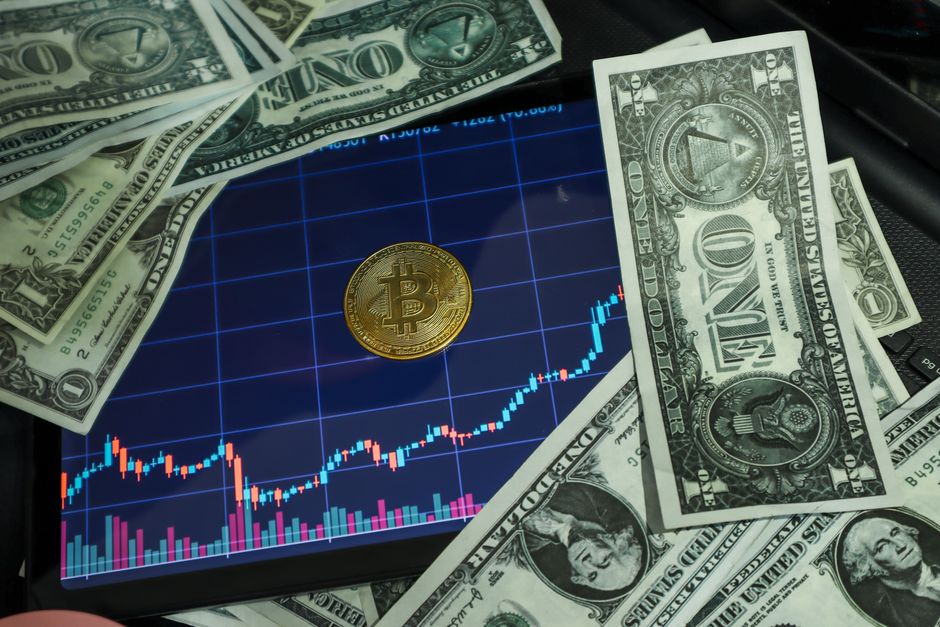
Cryptocurrencies, often touted as hedges against geopolitical risk, are experiencing their own turbulence. Crypto Briefing notes that the US-Iran standoff is prompting shifts in crypto market volatility, with Bitcoin first spiking on safe-haven demand, then dropping as the scope of risk became clearer. The scene is a reminder that even decentralized assets are not immune to macroeconomic shocks.
Central banks face a nightmare scenario. If oil prices remain elevated, headline inflation will climb, forcing the Fed and its peers to keep interest rates high for longer. The “higher for longer” narrative that many hoped was fading is suddenly back with a vengeance.
Inflation and Central Banks
This is the core of the danger: seizing Kharg Island does not just spike oil prices—it spikes inflation. Every dollar added to the cost of crude translates directly into higher gasoline, heating, and industrial costs. That feeds through to core inflation, hitting consumers and businesses alike.
Central banks, which have been cautiously steering toward rate cuts, now face a choice: either accept an inflation overshoot or keep tightening to cool demand. Either path is painful. Higher interest rates would slow growth, exacerbate corporate debt burdens, and risk recession in vulnerable economies.
The US Federal Reserve is particularly exposed. With inflation still above target, any supply-side shock from oil could force Chair Powell to abandon plans for easing. Markets are already repricing rate expectations, with futures showing a reduced probability of cuts in the second half of 2026.
What This Means for Investors
For the moment, the single biggest risk is uncertainty. Markets hate unpredictability, and the US-Iran dynamic is as volatile as it gets. The cancellation of strikes offered a brief reprieve, but the underlying threat has not dissipated. Investors should prepare for continued swings across all asset classes.
Energy stocks may benefit from higher oil prices, but only if the crisis does not escalate into a full-scale war that disrupts production across the Gulf. Safe havens like gold and US Treasuries could see inflows, though a sudden spike in risk appetite could reverse that. Crypto remains an uncertain bet—tied to both liquidity conditions and geopolitical narrative.
Trump’s approach is the wild card. His threats to hit Iran hard, combined with the Kharg Island seizure plan, suggest a willingness to escalate. Any actual military deployment would trigger a far deeper crisis. The diplomatic path, while fragile, remains the only off-ramp for markets.
Looking Ahead
The next few weeks will be defining. Watch for any confirmed movement of US naval assets toward the Persian Gulf, statements from Iranian leadership, and signals from OPEC+ about emergency production increases. Markets will also parse economic data for the first signs of pass-through inflation.
A seizure of Kharg Island would be an event without modern precedent—a deliberate act to permanently remove a major nation’s oil exports. Even if it does not happen, the mere possibility is enough to keep markets on edge. The world is once again reminded that geopolitics, not central banking, is the ultimate driver of economic cycles.
Stay informed. The situation is developing.