As the UK races to broker a toll-free reopening of the Strait of Hormuz, the world watches a high-stakes diplomatic effort that could reshape energy security and set a bold precedent against crypto-based transit fees.
What to know
- The UK is pushing for a swift U.S.-Iran deal to fully reopen the Strait of Hormuz without any tolls or transit fees.
- The diplomatic push comes after Iran shot down a US Apache helicopter over the strait, marking a dangerous escalation.
- Energy Secretary Wright announced that oil flow through the strait is set to increase, offering a potential stabilizer for global markets.
- The UK's proposal specifically aims to prevent the introduction of crypto-based transit fees, a novel concept that some regional actors have reportedly considered.
- An increased international naval presence in the strait could help secure passage but may also further inflame regional tensions.
- The downed helicopter incident has been linked to the Trump era, though current diplomacy focuses on de-escalation and a binding agreement.
The Flashpoint: Why the Strait of Hormuz Matters
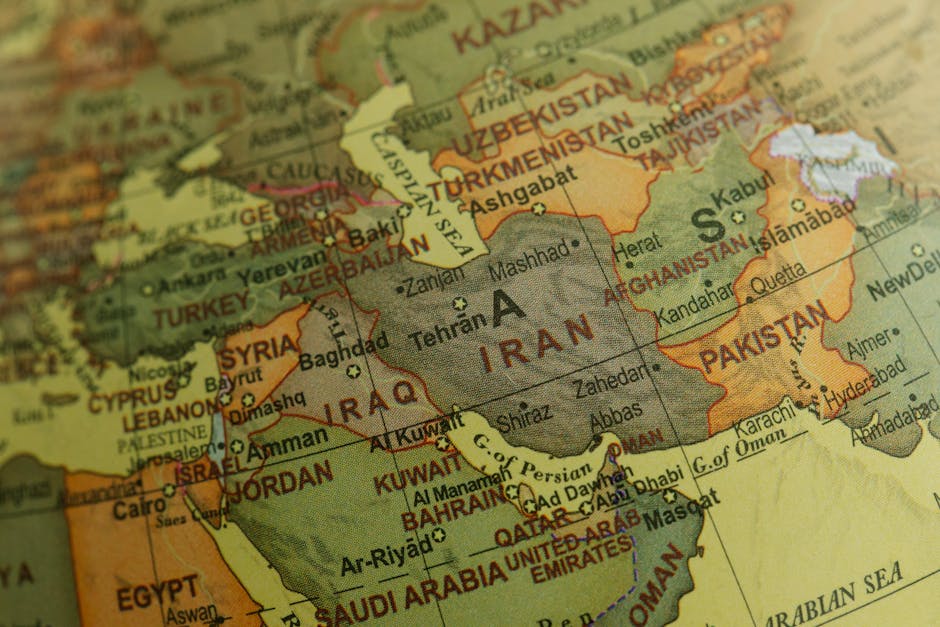
The Strait of Hormuz is one of the world's most strategically vital chokepoints. Roughly 20% of global oil consumption passes through its narrow waters every day. Any disruption — whether from military conflict, sanctions, or new tolling regimes — sends immediate shockwaves through energy markets and the broader global economy.
Recent weeks have seen a sharp uptick in antagonism between Washington and Tehran. The UK has stepped in as a mediating power, urging both sides to return to the negotiating table. At the heart of the British proposal is a demand: the strait must remain toll-free. That demand is as much about preventing conflict as it is about blocking a new form of digital tolling that could upend international maritime law. 🛢️
The Strait of Hormuz is not just a geopolitical flashpoint but a potential testing ground for crypto-based tolling systems. The UK aims to shut that door before it opens.
The UK's Diplomatic Gambit
London’s intervention is both timely and ambitious. The UK is calling for a comprehensive U.S.-Iran deal that would guarantee freedom of navigation without any new fees — especially those levied via cryptocurrency. The reasoning is twofold: tolls could spark a naval standoff, and crypto-based payments would be nearly impossible to enforce or regulate under current international norms.
This is not just about oil. The UK sees a precedent-setting opportunity. If the strait becomes a test case for blockchain-based transit payments, other strategic waterways — from the Suez Canal to the Malacca Strait — could follow suit. That outcome would undermine global trade stability and give non-state actors leverage over critical infrastructure.
Military Escalation: The Apache Incident
On 2026-06-09, reports confirmed that Iran shot down a US Apache helicopter over the Strait of Hormuz. The incident, attributed to the Trump administration's previously heightened posture, has dramatically raised the stakes. A Crypto Briefing report noted that the downing could “impact global security and economic stability.”
The US Apache shootdown is a clear signal that military rules of engagement are shifting. While no further details on casualties have emerged, the event has galvanized diplomatic efforts. The UK is using the incident as a catalyst to push for a binding agreement that removes the threat of tolls — and with it, one potential source of friction.
A single helicopter downed over the strait has turned a simmering dispute into a full-blown crisis. The UK is betting that a toll-free deal can defuse it.
Energy Markets on Edge
In a related development, Energy Secretary Wright announced that oil flow through the Strait of Hormuz is expected to rise. While this could provide some relief to volatile crude markets, experts warn that it may not address the underlying geopolitical instability. Increased traffic through a contested waterway, without a comprehensive deal, could simply increase the number of targets in any future confrontation.
Wright’s statement aligns with the UK's push: more oil means more economic benefits for all parties — but only if the strait remains open and free. Any toll, especially a crypto-based one, would add friction to the system and potentially disrupt supply chains.
The Crypto Precedent
The most unusual element of the UK's proposal is its explicit opposition to crypto-based transit fees. While no formal proposal for such tolls has been confirmed, the UK is moving preemptively. The concern is that a decentralized, pseudonymous payment system could be used to collect fees without oversight, enabling state or non-state actors to impose their own levies on global commerce.
Blockchain enthusiasts might argue this opens new efficiency. But for policymakers in London, the risks outweigh the benefits. A crypto toll at Hormuz could trigger a cascade of similar demands at other chokepoints, each one harder to monitor and challenge. The UK’s stance is clear: keep the strait free of digital tolls to protect the free flow of energy and trade.
Looking Ahead
The coming weeks will test whether the UK can broker a deal acceptable to both Washington and Tehran. The downed US Apache helicopter adds urgency, while Energy Secretary Wright’s oil flow forecast adds economic incentive. If a toll-free agreement is reached, it could become a model for managing strategic waterways in an era of digital disruption.
But the path is fraught. Iran’s leadership views the strait as a lever of power, and the U.S. has its own red lines. The UK will need to navigate these currents carefully — because failure doesn't just mean oil price spikes. It could mean the arrival of a new, friction-filled layer of global trade: crypto tolls at sea.