In a decision that redefines the transatlantic defense alliance, Ukraine has been granted the rights to produce Patriot missile systems on its own soil. The move — announced at a NATO summit — represents a strategic pivot with far-reaching economic and geopolitical consequences.
What to know
- The US has licensed Ukraine to manufacture Patriot missile interceptors domestically.
- The decision was announced by Trump at a NATO summit.
- It comes amid intensified Russian attacks on Ukraine.
- Ukraine's domestic production capability reduces its reliance on US supplies.
- The shift could alter global defense economics and trade dynamics.
- Regional stability is expected to improve as Ukraine gains self-reliance.
- The move signals a long-term defense commitment from the US and NATO.
- Defense strategy experts say this could reshape power dynamics in Eastern Europe.
The Strategic Pivot
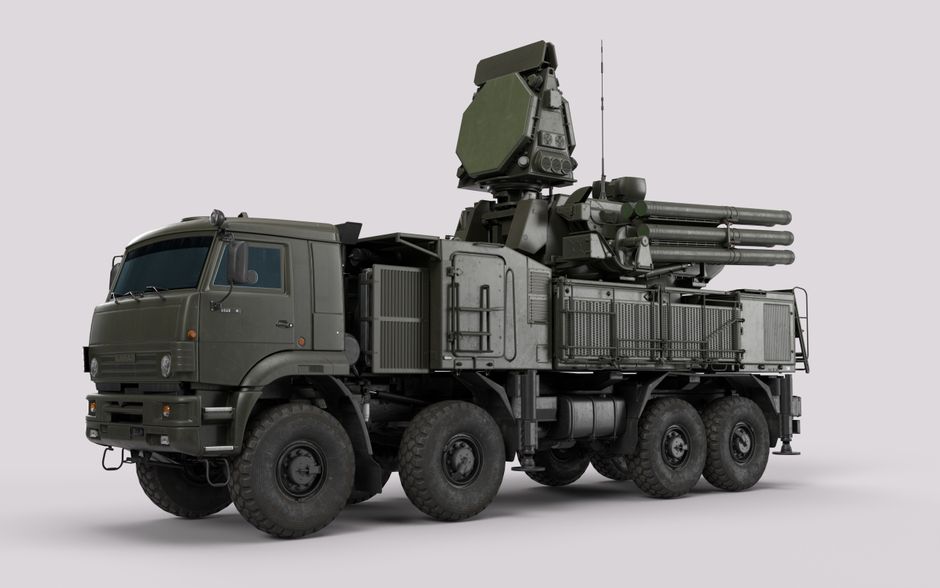
For years, Ukraine has depended on allied arsenals to protect its skies from relentless aerial bombardment. The decision to greenlight domestic production of the Patriot system changes that calculus fundamentally. At a recent NATO summit, Trump announced that the US would grant Ukraine a license to manufacture the advanced missile interceptors, effectively transforming Ukraine from a consumer of defense technology into a producer.
This is not merely a symbolic gesture. The license covers the full supply chain for Patriot interceptors, meaning Ukrainian factories will now produce complete units rather than assembling imported components. The implications for the battlefield are immediate: shorter supply lines, faster replenishment rates, and greater operational independence.
Reducing Dependency on Washington
One of the most significant aspects of this development is the reduction in Ukraine's dependency on US supplies. Throughout the conflict, Ukraine has relied on a steady flow of Western ammunition and equipment. Any disruption in that pipeline — political, logistical, or diplomatic — could have crippled its defense. Now, with domestic Patriot production, Ukraine secures a critical capability edge.
The move also eases pressure on US stockpiles. American defense contractors have been running at high capacity to meet both domestic needs and foreign commitments. By shifting production to Ukraine, the US frees up manufacturing bandwidth for other priorities while deepening Ukraine's integration into the NATO defense industrial base.
Reshaping Global Defense Economics
Beyond the immediate tactical benefits, the license has the potential to alter global defense trade dynamics. Patriot systems are among the most sought-after air defense assets worldwide. If Ukraine becomes a certified producer, it could eventually export interceptors to allied nations — a scenario that would disrupt existing market relationships.
Defense economics analysts point out that this could lower unit costs over time as more production capacity comes online. It could also create a new node in the global defense supply chain, with Ukraine potentially becoming a hub for maintenance, repair, and upgrade services for Patriot systems across Europe.
Of course, such a shift will not happen overnight. Quality control, technology transfer safeguards, and integration with NATO command structures are all challenges that must be addressed. But the strategic direction is clear.
A Signal at the NATO Summit
The timing of the announcement — during a NATO summit — was deliberate. It sent a clear message to Russia that the alliance's commitment to Ukraine is not only enduring but evolving. By granting a manufacturing license, Trump signaled that the US views Ukraine's long-term security as inseparable from NATO's own defense posture.
This is a marked departure from earlier phases of the war, when aid packages were debated month to month. Now, the US is investing in Ukraine's defense industrial capacity for the long haul. The license effectively makes Ukraine part of the NATO supply chain even before any formal membership decision.
What It Means for the Battlefield
On the ground in Ukraine, the effect will be felt in both defensive and offensive operations. The Patriot system has proven highly effective at intercepting Russian missiles and aircraft. With a domestic production line, Ukraine can maintain a higher volume of interceptors, potentially expanding the coverage area of its air defense network.
This could force Russian planners to recalibrate their air operations. If more Patriot batteries are deployed with ample munitions, the risk to Russian aircraft and cruise missiles increases significantly. Over time, this may degrade the effectiveness of Russia's aerial campaign.
The Role of Trump
The decision carries the personal stamp of Trump, who has often emphasized transactional relationships with allies. Granting a manufacturing license to Ukraine fits within that framework: it provides Ukraine with tangible capability while reducing the direct burden on US taxpayers.
Critics argue that the move may complicate diplomatic efforts, as it arms Ukraine with advanced technology that could be used in strikes beyond its borders — though the Patriot system is purely defensive. Proponents counter that self-reliance is the only realistic path for Ukraine's security, and that NATO must back that vision with concrete industrial policy.
Looking Ahead
As Ukrainian engineers begin retooling factories and training technicians, the world will be watching closely. If successful, the domestic production of Patriot missiles could become a model for other allied nations facing security threats. It could also accelerate Ukraine's eventual integration into NATO and the European defense industrial complex.
But challenges remain. The war is ongoing, and existing infrastructure may be targeted. Russia is likely to view these production sites as high-value targets. Protecting them will require a new layer of air defense — perhaps provided by the very Patriot systems Ukraine will soon build.
The license is more than a permit; it is a statement of intent. The US and NATO are betting that a self-sufficient Ukraine is a stronger partner. The coming months will test whether that bet pays off.