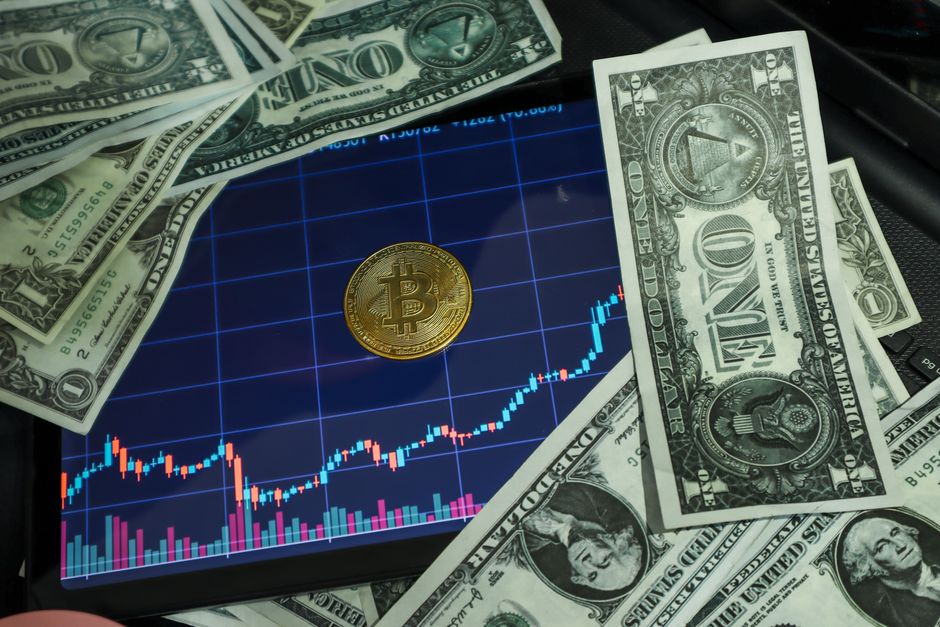
Amid renewed fighting between the United States and Iran that slowed traffic through the Strait of Hormuz, Bitcoin has shown resilience above $62,000, holding the $60,000 level that traders have watched closely.
What to know
- Bitcoin traded near $63,000 on Thursday, maintaining above the widely watched $60,000 level.
- Renewed hostilities between the United States and Iran disrupted traffic through the Strait of Hormuz.
- The conflict sent oil prices higher, reviving inflation concerns across global markets.
- Jordan activated air raid sirens as Iranian missiles entered its airspace, heightening regional instability.
- Data from CryptoSlate confirmed the price stability amid the geopolitical shock.
- Crypto Briefing reported that heightened tensions could destabilize regional security and amplify crypto market volatility.
- The situation impacts global energy prices and increases regulatory scrutiny on crypto markets.
The Geopolitical Trigger
The renewed fighting between the United States and Iran marks a significant escalation in the region. Traffic through the Strait of Hormuz — a narrow waterway critical for global oil shipments — has been slowed, immediately impacting energy markets. Oil prices surged, reviving inflation concerns that had been easing in recent months. This development places the global economy on alert, as any sustained disruption to the Strait could send energy costs spiraling.
The Strait of Hormuz is a vital chokepoint for about 30% of the world's seaborne crude oil.
Iran's threats have heightened geopolitical tensions, impacting global energy prices and, by extension, crypto markets. Crypto Briefing noted that the situation could also intensify regulatory scrutiny on digital assets.
Bitcoin's Price Floor Holds
Despite the escalating conflict, Bitcoin has shown remarkable resilience. On Thursday, the largest digital asset traded near $63,000, holding above the key $60,000 level that traders have been watching. Data from CryptoSlate confirmed this stability, indicating that the market has not panicked despite the geopolitical shock.
Bitcoin held above $62,000 on Thursday, according to data from CryptoSlate.
This price action suggests that some investors view Bitcoin as a safe haven or at least a diversifier in times of geopolitical uncertainty. However, it is equally possible that the market is still pricing in the news and volatility could spike later.
Inflation Fears Return
The surge in oil prices immediately revived inflation concerns across global markets. Higher energy costs feed into transportation, manufacturing, and consumer goods, potentially delaying central banks' plans to ease monetary policy. For Bitcoin, which has been sensitive to interest rate expectations, this could create headwinds. Yet the immediate resilience suggests that the market is focused on the conflict itself, not the secondary effects.
Regional Fallout: Jordan's Airspace
The conflict has not remained confined to the United States and Iran. Jordan activated air raid sirens as Iranian missiles entered its airspace. This broadening of the conflict zone underscores the regional instability. Crypto Briefing reported that Jordan's activation of sirens indicates the immediate danger to neighboring countries. The escalation increases the risk of a wider war, which would likely have severe consequences for global markets.
What This Means for Crypto Markets
Heightened geopolitical tensions are a double-edged sword for crypto markets. On one hand, assets like Bitcoin may benefit from a flight to decentralized currencies as investors seek alternatives to traditional systems. On the other hand, volatility is likely to increase, and regulatory scrutiny may intensify as governments seek to control capital flows. Crypto Briefing warned that the tensions could destabilize regional security and amplify crypto market volatility, impacting global financial systems.
Analysts suggest that sustained conflict could lead to increased volatility in crypto markets and prompt stricter regulatory measures.
Looking Ahead
The situation remains fluid. The Strait of Hormuz disruption could last days or weeks, and the response from Iran and the United States is uncertain. For Bitcoin, the key level to watch is $60,000. A breakdown below that could signal a shift in sentiment, while continued resilience might confirm its role as a crisis hedge. Jordan's response and the broader regional reaction will be critical to watch. Traders should brace for potential volatility as the story develops.