In a last-minute move that blurs the line between hard-nosed sanctions and sports diplomacy, the United States has relaxed travel restrictions for Iran's national soccer team ahead of their pivotal FIFA World Cup match against Egypt. The decision, made public just days before the game, arrives against the backdrop of a $1 billion crypto-related seizure.
What to know
- The US eased travel restrictions for Iran's World Cup team, allowing them to enter the country before their match against Egypt.
- The move comes shortly after the US announced a $1 billion seizure connected to the Nobitex exchange, tightening sanctions on Iran.
- Timeline events from late June 2026 describe the decision as a shift toward improved diplomatic relations and a reflection of nuanced geopolitical complexities.
- Multiple sources frame the easing as both a gesture of sports diplomacy and a reminder of enduring tensions between Washington and Tehran.
- The Egypt match, a high-stakes Group stage encounter, now carries added symbolic weight as a stage for diplomatic signaling.
- The eased restrictions highlight the potential for the FIFA World Cup to act as a channel for broader political engagement, even as sanctions remain in place.
- No official statements from Iranian or Egyptian authorities are included, but the timing suggests careful coordination between diplomatic channels.
A Sanctions Storm and a Sporting Lifeline
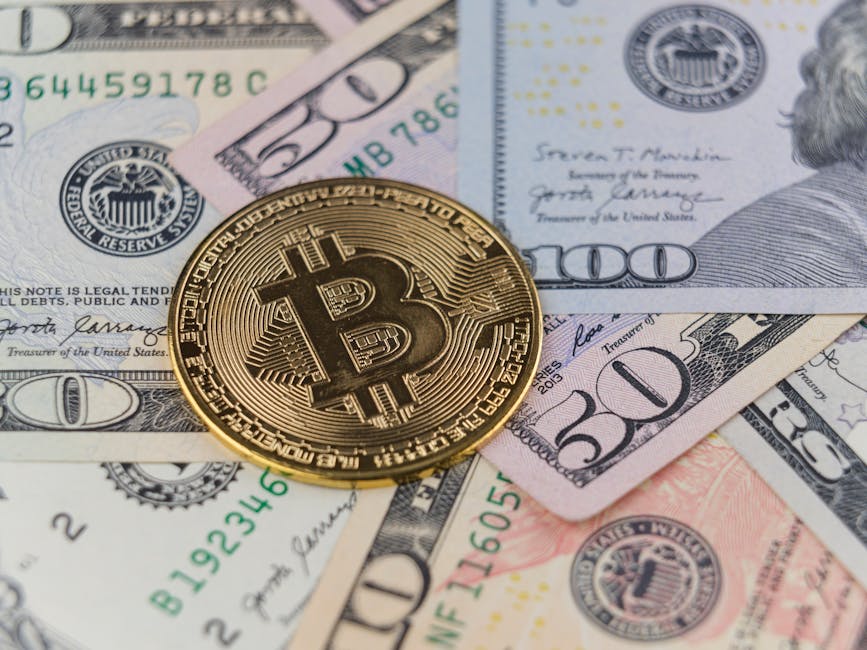
The timing of the travel easing is anything but accidental. Just before the decision, the US escalated its financial pressure on Iran through a $1 billion Nobitex seizure, a dramatic enforcement action targeting one of the country's primary cryptocurrency exchanges. This move, reported by Crypto Briefing, sent a clear message about the reach of US sanctions into the digital asset space.
Yet, within days, the same administration approved expedited visa processing for the Iran national team, allowing players and staff to travel to the match venue. This duality — maximum financial pressure alongside a humanitarian gesture for athletes — reveals a calibrated diplomatic playbook.
The decision to separate sports from broader sanctions enforcement is not new, but it rarely happens with such high visibility or under such tight deadlines.
The Match as a Diplomatic Stage
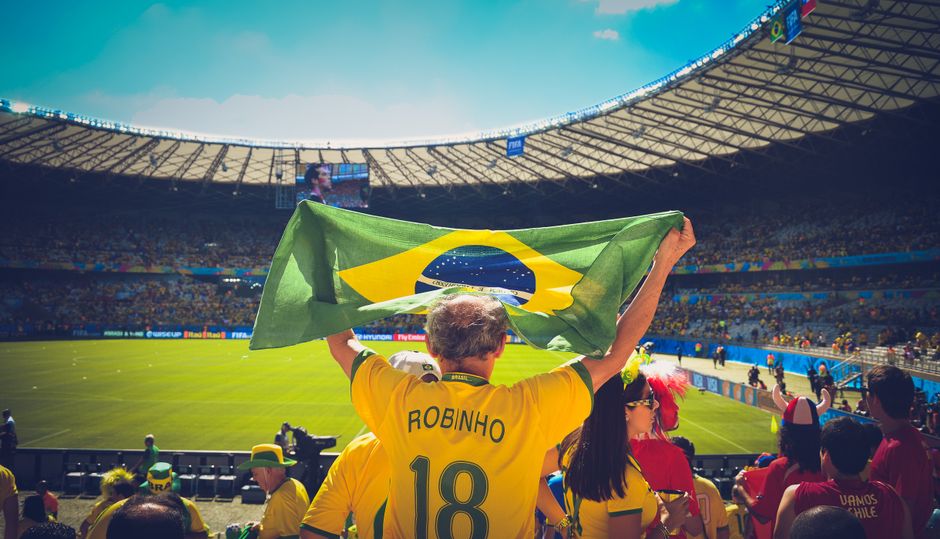
The match against Egypt is more than a game. For Iran, it is a chance to advance in the tournament; for both nations, it is an opportunity to project soft power. Egypt and Iran have had strained relations for decades, but soccer has occasionally provided common ground. Now, with the US acting as the host nation and gatekeeper, the fixture becomes a three-way diplomatic arena.
Allowing Iran's team to enter the US with minimal friction sends a signal that Washington is willing to make exceptions for multilateral events. It also avoids a potential public relations crisis had the team been denied entry, which could have overshadowed the tournament.
Geopolitical Leverage Through Logistics
The timeline of events paints a picture of careful choreography. On June 23, reports emerged of eased travel restrictions for Iran. By June 24, multiple sources were framing the decision as both a diplomatic shift and a reminder of ongoing tensions. The US's ability to control access to its territory gives it a powerful tool — one that it used here to grant a concession while maintaining overarching sanctions.
This is a classic case of strategic sanctions enforcement: tighten the financial noose while showing flexibility on border controls. The message is that Washington can distinguish between a sanctioned state's government and its people, but only on its own terms.
Who Benefits and Who Loses?
For Iran's players and fans, the travel easing is a clear win. They get to compete on the world stage without the distraction of a visa crisis. For Egypt, the match proceeds as scheduled, avoiding any political fallout that a cancelled or rescheduled game could have caused.
For the US, the decision carries both risks and rewards. Domestically, it may face criticism from those who oppose any form of engagement with Tehran. Internationally, it bolsters the image of the FIFA World Cup as a unifying event, even amid geopolitical rifts. However, the underlying sanctions remain, and critics argue that such selective easing does little to address the root causes of tension.
The Role of Cryptocurrency in the Story
The $1 billion Nobitex seizure adds a layer of complexity. Cryptocurrency has become a battleground for sanctions enforcement, and this case is one of the largest on record. By targeting an exchange tied to Iran, the US is sending a signal that digital assets are not beyond reach. Yet, by simultaneously easing travel for the soccer team, it shows that enforcement can be surgical.
This duality may be intentional: demonstrate power while showing restraint. It also raises questions about future enforcement actions and whether similar carve-outs will be made for other events.
The FIFA World Cup is more than a tournament; it is a lens through which global power dynamics can be observed in real time.
What to Watch Next
Will this travel easing open the door for further diplomatic openings between Iran and the US? Earlier signals suggest cautious optimism, but the sanctions regime remains intact. Observers will monitor whether the Iran team experiences any additional restrictions or scrutiny during their stay, and whether Egypt or other nations leverage this moment for their own diplomatic goals.
Another key question is how Iran responds. Will the government acknowledge the gesture or downplay it? The absence of official statements so far suggests a wait-and-see approach.
Looking Ahead
The easing of travel restrictions for Iran's World Cup team is a small but significant chapter in a long and turbulent relationship. It demonstrates that even amid hardened sanctions and a $1 billion seizure, there is room for diplomacy through sport. Whether this moment leads to broader reconciliation or remains an isolated incident depends on the political will of all parties involved. For now, the world will watch as Iran and Egypt take the pitch — but the game off the field may be just as important.