A new flashpoint in the Strait of Hormuz threatens to disrupt global oil flows and redraw the map of energy logistics — with cryptocurrencies potentially playing a role in cross-border payments.
What to know
- Iran has warned tankers of a forceful response in the Strait of Hormuz amid rising tensions.
- The US and Oman are seeking alternatives to Iran’s transit tolls on the strategic waterway.
- Crypto payments have emerged as a possible mechanism for transit fees, linking digital assets directly to energy trade.
- Heightened tensions could exacerbate global oil trade disruptions, impacting economic stability and market confidence.
- A fragile ceasefire allowed Saudi supertankers to exit the strait in the largest oil flow since the truce, but concerns remain.
- The acceptance of transit fees — if formalized — could heighten global inflation and deepen geopolitical divides.
The Strait of Hormuz: A Geopolitical Pressure Point
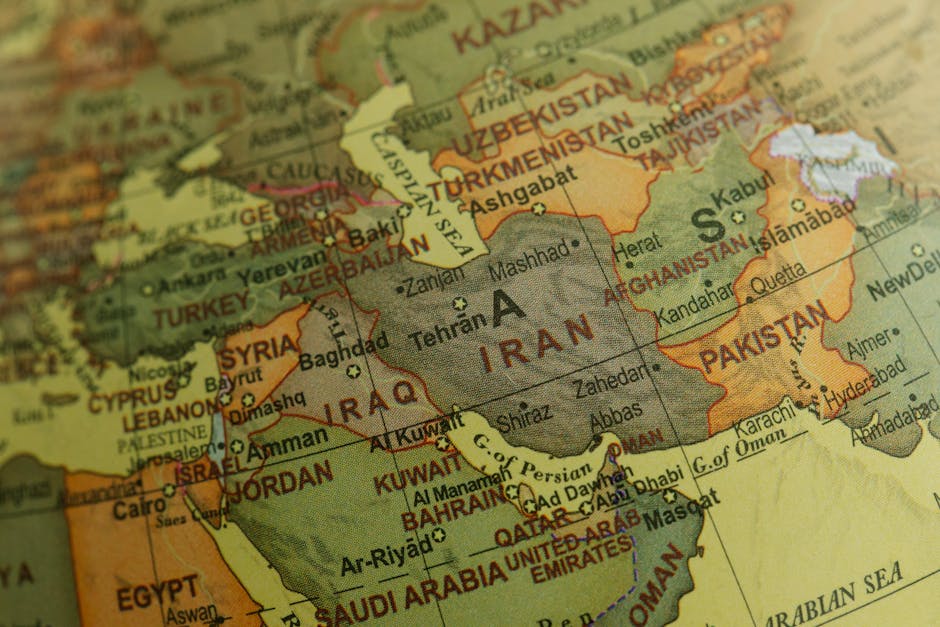
The Strait of Hormuz is one of the world’s most critical energy chokepoints. Nearly a fifth of global oil passes through its narrow waters, connecting Persian Gulf producers to international markets. When tensions flare here, oil prices spike and supply chains tremble.
Recent events have pushed the region back into the spotlight. Iran has warned tankers of a forceful response if they attempt to bypass its demands, signaling that Tehran is willing to use its geographic leverage. These warnings follow a period of relative calm, during which Saudi supertankers exited the strait in the largest oil flow since a ceasefire was negotiated.
Yet the ceasefire remains fragile. The resumption of oil flow may have temporarily eased regional tensions and stabilized crude prices, but it has not resolved the underlying dispute over transit rights and tolls.
US and Oman’s Strategic Response
In response to Iran’s pressure tactics, the US and Oman have stepped up joint efforts to find alternatives to Iranian tolls. The partnership is notable: Oman has long served as a diplomatic bridge in the region, while the US provides military security and economic heft.
Their goal is to prevent Iran from effectively taxing global oil shipments through the Strait of Hormuz. Such tolls would increase costs for every barrel that passes, raising energy prices worldwide and giving Tehran outsized influence over market dynamics.
By developing alternative routes or payment mechanisms, Washington and Muscat aim to weaken Iran’s grip on the waterway. The initiative is still in its early stages, but it signals a recognition that business as usual is no longer tenable.
The Crypto Dimension: A Wildcard in Global Trade
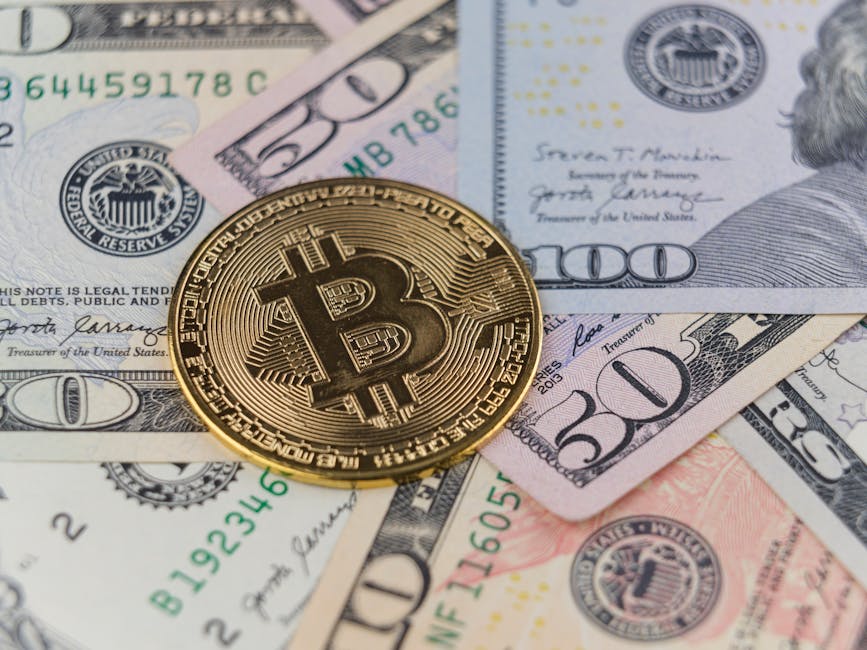
One of the most striking elements of this story is the role of cryptocurrency. Reports indicate that crypto payments are “loom[ing] large” in discussions about transit fees for the Strait of Hormuz. While the exact details remain unclear, the possibility of using Bitcoin or other digital assets to pay for passage represents a significant departure from traditional dollar-denominated trade.
If crypto payments become part of the strait’s logistics, they could reshape both energy markets and regulatory frameworks. On one hand, digital assets might offer a way to bypass Iranian sanctions or toll demands. On the other hand, they could introduce new volatility and regulatory challenges — particularly if governments move to restrict or tax such transactions.
The US has historically taken a cautious stance on crypto in international trade, but the strategic importance of the Strait of Hormuz might force re-evaluation. Oman, too, will have to consider how digital payments fit into its financial system.
Iran’s Warning and the Fragile Ceasefire
Despite the diplomatic maneuvering, the situation on the water remains tense. Iran has issued explicit warnings to tankers, vowing a forceful response to any that attempt to bypass its demands. These threats are not empty: the Islamic Revolutionary Guard Corps has a history of seizing vessels in the strait.
The resumption of oil flow earlier this month — with Saudi supertankers exiting the strait in the largest convoy since the truce — provided a brief moment of relief. But analysts caution that the ceasefire is fragile. Any miscalculation could trigger a new escalation, reversing the gains and sending oil prices soaring.
Global markets are watching closely, as disruptions in the Strait of Hormuz have historically had immediate and severe consequences for crude prices and economic stability.
Global Economic Ramifications
Beyond the immediate geopolitical drama, the standoff carries profound economic implications. If transit fees become entrenched — whether collected by Iran or via alternative mechanisms — the cost will ultimately be passed on to consumers. Higher oil prices feed directly into inflation, straining central banks and households alike.
The potential introduction of crypto payments adds another layer of complexity. Digital assets are notoriously volatile, and their use in bulk energy trades could introduce new financial risks. Moreover, differing regulatory stances across countries could deepen geopolitical divides, with some nations embracing crypto-enabled trade while others seek to block it.
For now, the US and Oman are moving to counter Iran’s tolls before they become normalized. The outcome of their efforts will help determine whether the Strait of Hormuz remains a free passage for global energy — or becomes a tollbooth that reshapes the world economy.
Looking Ahead
The next few weeks will be critical. Iran’s warning to tankers must be weighed against the diplomatic push by the US and Oman. The fragile ceasefire could hold, allowing oil flows to continue and de-escalating the crisis. Alternatively, a single incident could spark a new confrontation that dwarfs previous disruptions.
Meanwhile, the crypto angle will not disappear. As digital assets gain legitimacy in mainstream finance, the Strait of Hormuz may become a testing ground for their use in geopolitical hot spots. Regulators and market participants alike should prepare for a world where oil and crypto are increasingly intertwined.
The stakes could not be higher: global energy security, inflation outlooks, and the future of international payments all hang in the balance.