Iran's political future hangs in the balance following the assassination of Supreme Leader Khamenei, with military figures stepping into the void and regional actors recalibrating their positions.
What to know
- Supreme Leader Khamenei was assassinated, triggering an outpouring of mourning and deep uncertainty across Iran.
- Iranian officials displayed visible emotion at the funeral, a rare public signal of internal flux.
- General Ahmad Vahidi has reemerged, a move that analysts interpret as a bid to consolidate military power and stabilize the regime.
- Qatar sent its Speaker of Parliament to attend the funeral, a significant diplomatic gesture that may indicate a realignment of regional alliances.
- Heightened tensions during the funeral period have raised concerns about destabilizing a fragile ceasefire between Iran and its adversaries.
- The combination of leadership void and military consolidation creates both risk and opportunity for Iran's political trajectory.
The Weight of a Funeral
The assassination of Khamenei has sent shockwaves through the Iranian political establishment. The funeral, a somber affair attended by top officials and foreign dignitaries, became a stage for rare public displays of grief. Iranian officials, usually stoic in public, showed emotional strain—a telling sign of the internal turmoil gripping the regime.
For a system built around the absolute authority of the Supreme Leader, his sudden removal creates a vacuum that no single figure can immediately fill. The mourning period is not just about loss; it is a critical window during which the next phase of Iran's leadership will be decided.
A Military Stepping Forward
Into this void steps General Ahmad Vahidi. His reemergence at the funeral is not coincidental. Vahidi, a veteran of the Iranian military establishment, signals a consolidation of the armed forces' role in the transition. The move suggests that the military is positioning itself to ensure stability, potentially filling the leadership gap left by Khamenei.
But this consolidation comes with risks. A military-backed transition could provoke defections or internal power struggles within the regime's complex web of factions. The coming weeks will reveal whether the military's presence will be a stabilizing force or a catalyst for deeper conflict.
The Qatari Signal
Perhaps the most intriguing development is Qatar's decision to send its Speaker to the funeral. In the high-stakes world of Middle Eastern diplomacy, attendance at a state funeral is a deliberate signal. Qatar's move may indicate a thawing of relations or a strategic realignment with Iran at a time when the region is reeling from the assassination.
Qatar has historically played a balancing role, maintaining ties with both Iran and the West. Its participation in the funeral could be a precursor to new diplomatic initiatives, or simply a gesture of respect. Either way, it highlights potential shifts in regional alliances that could reshape the geopolitical map.
Regional Ripples
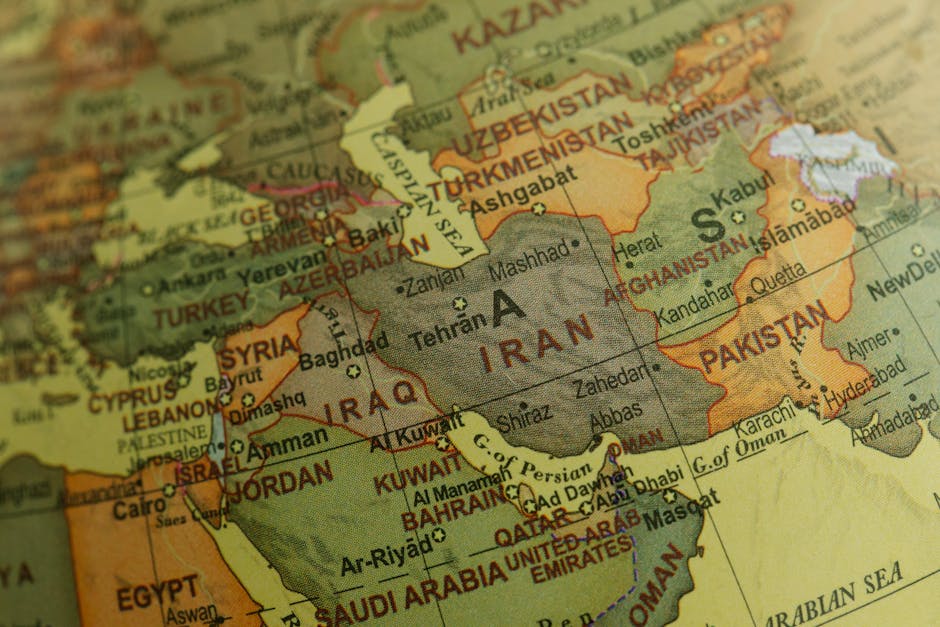
The assassination has immediate implications beyond Iran's borders. The fragile ceasefire that held between Iran and its regional rivals is now under threat. Heightened tensions during the funeral have already prompted warnings from Iranian officials against attacks from the US or Israel, according to reports. Any misstep could unravel the tenuous peace and plunge the region into renewed conflict.
For markets and global observers, the uncertainty surrounding Iran's leadership transition is a major risk factor. The combination of a power vacuum, military consolidation, and shifting alliances creates a volatile cocktail that could have far-reaching consequences.
Looking Ahead
The assassination of Khamenei has opened a new chapter in Iran's history. The reemergence of General Ahmad Vahidi points toward a military-backed stabilization, but the emotional display of officials suggests deep internal divisions. Qatar's diplomatic presence adds a layer of complexity to regional dynamics.
In the coming weeks, the world will watch closely to see how Iran's leadership transition unfolds. Will the military consolidation succeed in maintaining order, or will it trigger new tensions? How will regional actors like Qatar reposition themselves? The answers will define the Middle East's next era.