Recent diplomatic progress between the United States and Iran, marked by Qatar-mediated meetings and a statement from President Trump on positive denuclearization talks, is sending ripples through global markets and the cryptocurrency space alike.
What to know
- The US and Iran have engaged in indirect talks in Qatar, with President Trump reporting progress on denuclearization.
- The improving diplomatic tone follows a period of heightened tensions and military attacks between the two nations.
- Analysts suggest that a potential deal could stabilize energy markets and reduce geopolitical risk premiums across asset classes.
- Crypto markets are being watched closely, as past volatility has correlated strongly with Middle East stability and conflict headlines.
- Unresolved issues remain, and a comprehensive agreement is not yet in place — meaning the situation remains fluid.
- Investors are recalibrating expectations across equities, oil, and digital assets as the talks continue.
A Shift in Tone: From Tensions to Talks
Just weeks ago, the trajectory of US-Iran relations looked bleak. Escalating tensions threatened to derail Middle East peace efforts, sending shockwaves through global markets. Reports from outlets like Crypto Briefing had highlighted how military posturing and attacks were complicating diplomatic channels, fueling uncertainty from Wall Street to crypto trading desks.
Now, the narrative has pivoted sharply. President Trump has publicly stated that denuclearization talks are progressing positively, citing meetings held in Qatar as a key turning point. The shift from brinkmanship to dialogue has caught many market participants off guard, but the early reactions are clear: risk-on sentiment is creeping back.
"Positive denuclearization talks could enhance diplomatic relations, but unresolved issues may delay a comprehensive agreement."
This delicate balance defines the current moment. The US and Iran are not yet at a final deal, but the fact that both sides are still talking — and that the president is signaling progress — represents a meaningful departure from recent hostility.
Qatar as a Backchannel
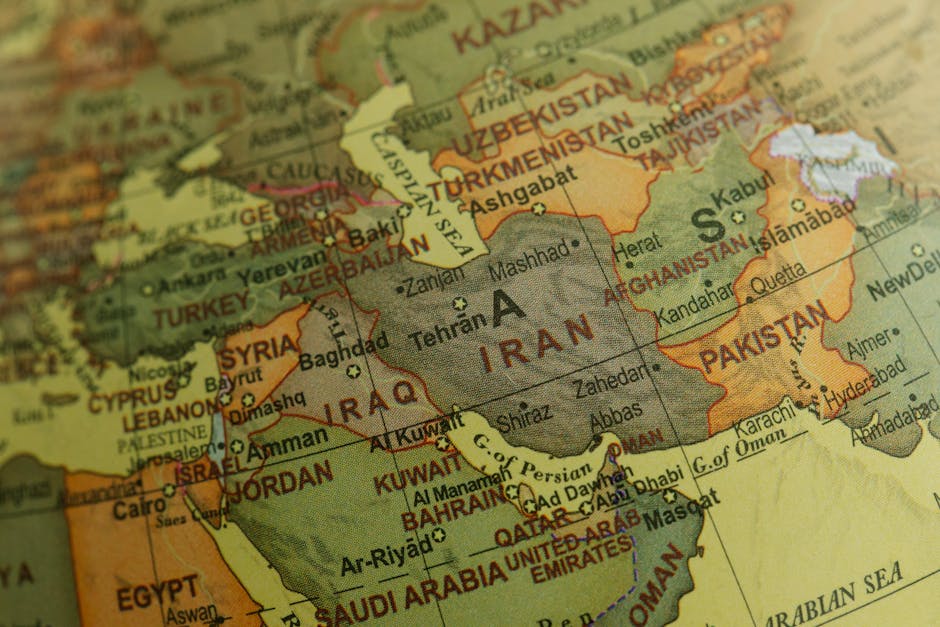
Qatar has emerged as an unlikely but effective mediator in this latest round of diplomacy. The small Gulf state has hosted indirect talks, providing a neutral ground for two adversaries with no formal diplomatic ties. The choice of Qatar underscores the complexity of the negotiations: neither side wants direct public engagement, yet both appear willing to explore a path toward de-escalation.
For the US, the engagement serves multiple purposes. It allows Washington to test Tehran's willingness to curb its nuclear program without committing to broader concessions. For Iran, the talks offer a chance to ease crippling economic sanctions and re-enter global energy markets. The stakes are enormous, and Qatar's role as a facilitator has drawn attention from geopolitical analysts worldwide.
Energy Markets: The First Domino
Energy markets are often the first to react to US-Iran developments, and this time is no different. The prospect of reduced tensions has already begun to influence oil prices, with traders pricing in the possibility of increased Iranian crude exports if sanctions are eventually lifted. Stabilization in the Middle East could also lower the geopolitical risk premium embedded in energy futures.
However, the timeline remains uncertain. Even as talks progress, Iran's nuclear capabilities and regional proxy activities remain sticking points. Oil markets are watching for concrete deliverables, not just optimistic statements. The near-term direction will depend on whether the Trump administration moves from rhetoric to actionable diplomacy.
Crypto's Geopolitical Sensitivity
Cryptocurrency markets, often framed as "risk-on" assets, have shown a surprising sensitivity to Middle East geopolitics. Past flare-ups between the US and Iran have triggered sharp selloffs in Bitcoin and other digital assets, as investors fled to cash or stablecoins. Conversely, diplomatic breakthroughs have correlated with price recoveries.
This time, the reaction has been more muted but directionally positive. The evolving US-Iran relationship is being watched by crypto traders as a macro factor that could either bolster or undermine the fragile rally in digital assets. Volatility remains the watchword — any setback in talks could reverse the current optimism quickly.
"The progress in US-Iran talks could stabilize energy markets, reshape geopolitical dynamics, and influence crypto market volatility."
The Unfinished Business
Despite the positive tone, the road to a full accord is littered with hurdles. Key issues such as the scope of uranium enrichment, the lifting of sanctions, and Iran's ballistic missile program remain unresolved. The Trump administration has not signaled any shift in its maximum-pressure strategy, and Iranian negotiators are equally cautious.
The risk of a breakdown is real. If the talks stall or collapse, the region could slide back into confrontation, with immediate consequences for global markets. Crypto investors, in particular, would need to brace for a renewed flight to safety. The current diplomatic window is narrow, and both domestic political pressures and regional rivalries could close it quickly.
Looking Ahead
The US-Iran dynamic is entering a critical phase. The Qatar meetings have opened a door, but whether it leads to a lasting peace remains to be seen. For now, markets are pricing in cautious optimism — a fragile bet on diplomacy prevailing over conflict.
The most important thing to watch in the coming weeks is the frequency and substance of further talks. If both sides continue to engage and produce tangible progress, the impact on global markets — including crypto — could be profound. If the talks falter, the pendulum will swing back toward volatility and risk.
Investors across all asset classes should pay close attention to the signals emanating from Doha, Washington, and Tehran. The stakes have rarely been higher.