Diplomatic winds may be shifting in the Middle East. After months of military posturing, the United States and Iran have resumed talks, with Doha stepping in as a key mediator. The renewed dialogue carries the promise of regional stability and a reduced nuclear threat, but a comprehensive agreement remains elusive.
What to know
- President Trump has characterized the latest round of US-Iran talks as "productive," raising optimism about a potential diplomatic breakthrough.
- The talks resumed after US Vice President Vance declared that the core military mission had been achieved, paving the way for a political transition.
- Working groups have been established in Doha, Qatar, to advance negotiations, with Iran's lead negotiator meeting the Qatari Prime Minister.
- The discussions aim at denuclearization and broader regional stability, but unresolved issues continue to block a full agreement.
- Earlier tensions over Iran's control of the Strait of Hormuz and proposed maritime fees had threatened global trade, adding urgency to the talks.
- Analysts suggest that a successful outcome could stabilize global markets and reshape geopolitical dynamics by 2026.
- The formation of the Doha working groups is seen as a structural enhancement to diplomatic efforts, potentially accelerating progress.
The Shift from Military to Political
The decision to resume talks marks a notable pivot. After US Vice President Vance declared the core military objectives in the region complete, the stage was set for renewed diplomacy. This shift acknowledges that military force alone cannot resolve the deep-seated issues between Washington and Tehran. The Trump administration’s willingness to engage directly with Iran signals a pragmatic approach, even as hardliners on both sides remain skeptical.
The timing is critical. The earlier move by Iran to assert control over the Strait of Hormuz and impose maritime fees had raised fears of a broader conflict. Those actions, coupled with ongoing nuclear enrichment concerns, created a volatile mix. Now, with both parties returning to the table, the immediate risk of escalation appears to have diminished — at least for the moment.
Working Groups in Doha: A Diplomatic Backbone
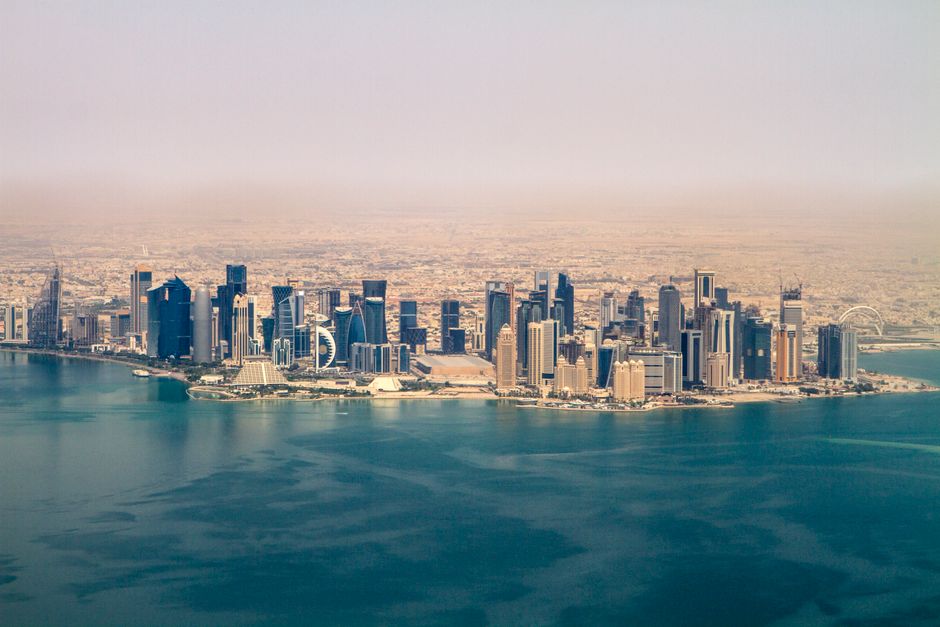
Qatar has once again positioned itself as an indispensable mediator in the region. The small but influential Gulf state has hosted the formation of specialized working groups tasked with tackling the most contentious issues. Iran's chief negotiator recently met with the Qatari Prime Minister in Doha to finalize the structure of these groups.
The working groups are designed to break down the negotiations into manageable tracks: denuclearization, regional security, economic relief, and maritime freedom. This modular approach may help isolate the toughest disagreements and prevent them from derailing the entire process. The choice of Doha as the venue is no accident — Qatari diplomats have a track record of facilitating backchannel talks between adversaries, including earlier rounds between the US and the Taliban.
The Strait of Hormuz Shadow
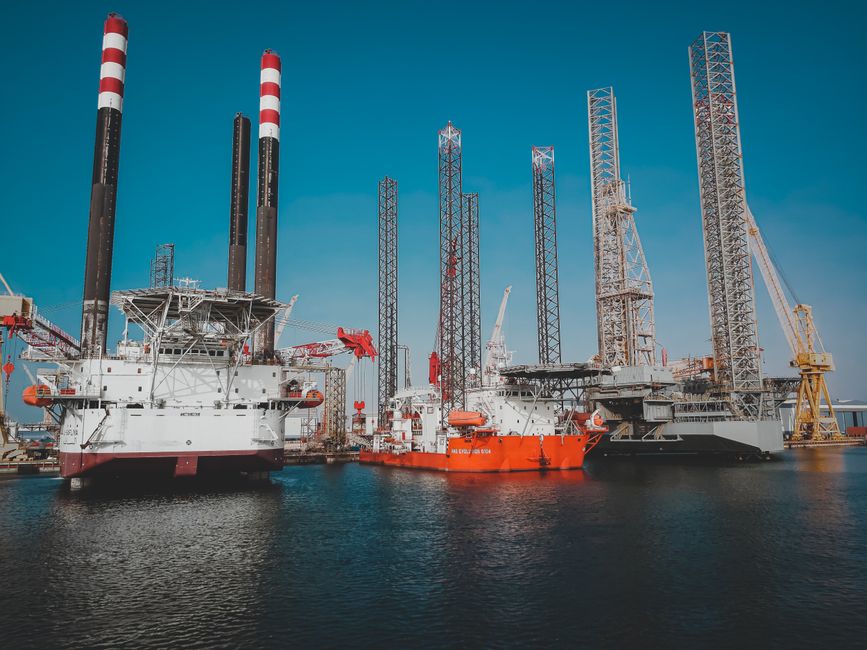
Even as talks progress, the Strait of Hormuz remains a flashpoint. Iran's earlier announcement of control over the strait and plans to levy fees on passing vessels underscored how quickly tensions could flare. For global energy markets, the Strait of Hormuz is the single most important chokepoint. Any disruption there ripples through oil prices and supply chains.
The working groups in Doha are expected to address the maritime issue as part of a broader regional security framework. A commitment to freedom of navigation could be a early test of the talks' sincerity. If Iran is willing to moderate its stance on the Strait, it would signal a significant concession and build trust for the nuclear track.
Market and Geopolitical Ripples
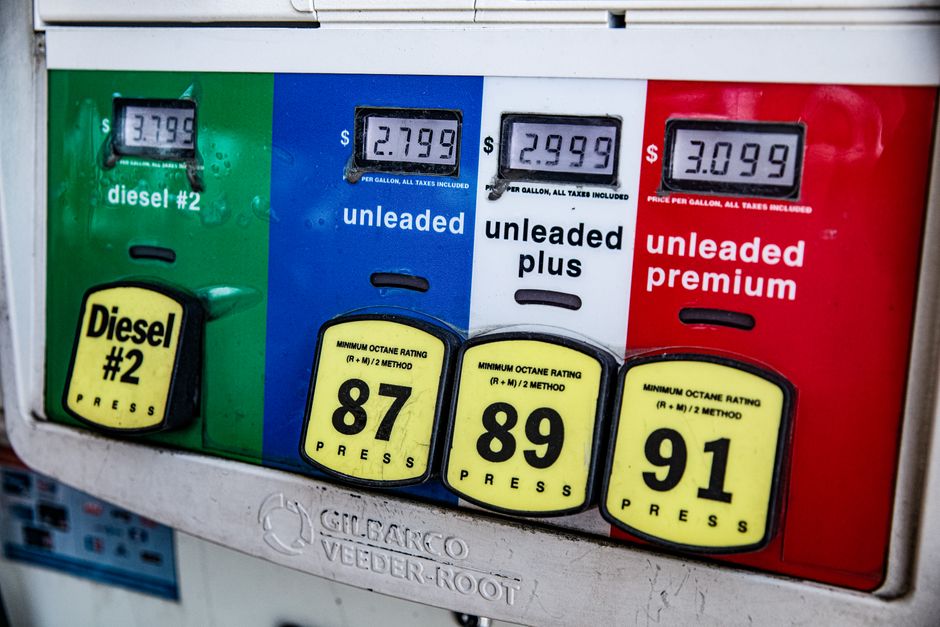
The US-Iran dialogue has not gone unnoticed by global markets. The prospect of a diplomatic resolution has already tempered some of the risk premiums that had built up during the conflict phase. Stable energy flows and a reduced threat of regional war are factors that investors watch closely.
If the talks yield concrete results — even incremental ones — the impact could extend beyond the Middle East. Reduced geopolitical uncertainty tends to lower volatility in commodities and currencies. Conversely, a breakdown of talks could reignite the cycle of escalation. The markets, therefore, have a vested interest in the success of the Doha working groups.
Unresolved Hurdles
Despite the optimism, significant obstacles remain. The Trend notes that unresolved issues may hinder a comprehensive agreement. These likely include the pace of sanctions relief, scope of nuclear oversight, and the role of Iran's regional proxies. Both sides have red lines that are difficult to cross without domestic political costs.
Moreover, the timeline is tight. The 2026 deadline for a framework suggests that the window for negotiation is finite. If the working groups fail to produce a breakthrough by mid-year, the momentum could stall, and hardliners may regain the upper hand.
Looking Ahead
The next few weeks will be crucial. The Doha working groups must translate diplomatic goodwill into tangible frameworks. The Trump administration's reported optimism provides a tailwind, but it also raises expectations. The US and Iran are testing whether a diplomatic off-ramp can replace military confrontation.
For the region and the world, the stakes could not be higher. A successful deal would reduce the nuclear threat, stabilize the Persian Gulf, and recalibrate global geopolitics. A failure would likely send the situation back to the brink. All eyes are on Doha.