The United States and Iran have agreed to end hostilities near the Strait of Hormuz and resume peace talks, a breakthrough that could calm volatile energy markets and reshape geopolitical dynamics in the Middle East.
What to know
- Washington and Tehran have agreed to halt military strikes near the Strait of Hormuz, one of the world's most critical oil transit chokepoints.
- Both parties have committed to resuming peace negotiations, with the goal of restoring free navigation in the waterway.
- The agreement comes after weeks of heightened conflict that threatened global oil supply stability and increased market volatility.
- Pakistan has initiated urgent LNG procurement amid disruptions in energy flows from the region, highlighting the real-world impact of the tensions.
- The deal could stabilize global oil markets and potentially influence asset classes such as gold, silver, and cryptocurrencies.
- However, skepticism remains high due to unresolved issues and the history of mistrust between the two nations.
- Regional stability in the Middle East is expected to improve, which may boost global trade confidence.
- The broader implications extend to energy prices, inflation, and investment flows across multiple sectors.
The Agreement at the Strait of Hormuz
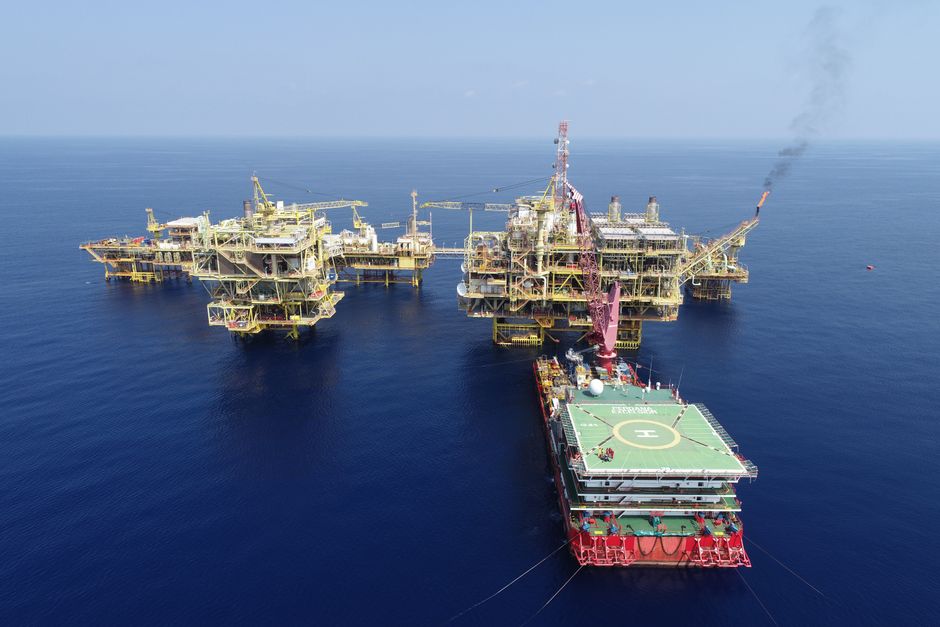
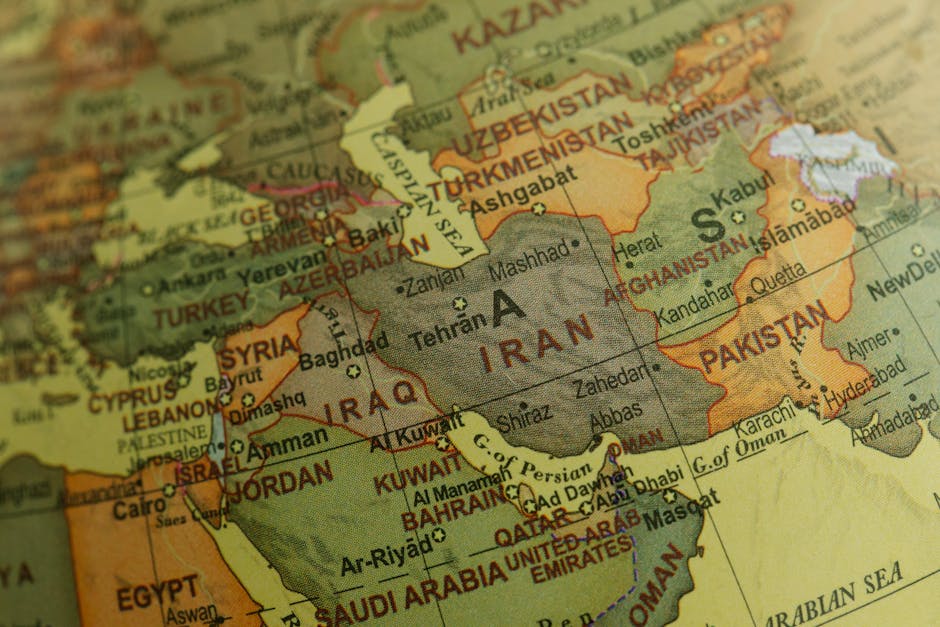
The Strait of Hormuz is a narrow passage connecting the Persian Gulf to the Gulf of Oman, carrying roughly a fifth of the world's petroleum production. Any disruption there sends shockwaves through global energy markets. The recent escalation between US and Iran raised fears of a prolonged conflict that could cripple oil shipments and drive prices sharply higher.
Now, with both sides agreeing to halt strikes and return to the negotiating table, the immediate threat of a supply cutoff has receded. The announcement, first reported by Crypto Briefing, indicates a mutual recognition of the economic costs of continued fighting. The resumption of peace talks opens a window for de-escalation, though the path forward remains fraught with challenges.
This ceasefire is a critical step, but it does not erase the underlying tensions that have defined US-Iran relations for decades.
Global Energy Markets and the Ripple Effect
The impact of the ceasefire is already being felt in energy markets. Oil prices, which had been volatile due to the conflict, are expected to stabilize as transit risks ease. The restoration of free navigation through the Strait of Hormuz means tankers can once again move freely, reducing the risk of supply disruptions.
Pakistan, a major energy importer, has been forced to act quickly: it has issued an urgent tender for liquefied natural gas to compensate for disrupted flows. This move underscores how dependent many nations are on the stability of this single waterway. Any prolonged blockage could have cascading effects on power generation, industrial output, and household energy costs in countries across South Asia.
Beyond oil and gas, the deal could also influence other asset classes. Gold and silver, often viewed as safe havens during geopolitical crises, may see reduced demand as risk appetite returns. Similarly, cryptocurrencies, which have sometimes been marketed as hedges against instability, could experience shifting investor sentiment.
Pakistan's Urgent LNG Gambit
Pakistan's decision to seek emergency LNG cargoes is a direct consequence of the Strait of Hormuz disruptions. The country relies heavily on imported gas to fuel its power plants and industries. When the conflict escalated, tankers rerouted or delayed, triggering a crunch.
By procuring LNG urgently, Islamabad is attempting to prevent blackouts and economic slowdown. But the move comes at a cost: spot prices for LNG are elevated due to the crisis, and competitors like India and Bangladesh are also vying for limited cargoes. The situation highlights the vulnerability of energy supply chains to geopolitical shocks and the importance of diversification.
Market Implications: From Oil to Crypto
The ceasefire's effects are not limited to traditional energy markets. Analysts are examining how the reduced risk of a regional war might affect investor behavior. If peace talks progress, we could see a rotation out of defensive assets and into riskier ones.
For cryptocurrencies, the implications are twofold. On one hand, lower energy prices could reduce mining costs for proof-of-work coins like Bitcoin, potentially boosting network activity. On the other hand, if global stability improves, the narrative of crypto as a safe haven may weaken. However, the correlation between crypto and macro events is complex, and the deal's full impact remains to be seen.
The stability of the Strait of Hormuz is a global economic issue, not just a Middle Eastern one.
Skepticism and the Road Ahead
Despite the positive headlines, there is widespread skepticism about the durability of this agreement. Previous efforts to normalize US-Iran relations have collapsed amid mutual accusations and regional proxy conflicts. The current ceasefire is fragile, and any violation could reignite hostilities.
Key stakeholders, including Gulf Arab states and European powers, are watching closely. The success of the peace talks will depend on both sides' willingness to address deeper grievances, including Iran's nuclear program and its influence in Lebanon, Syria, and Yemen. The Strait of Hormuz may be calm for now, but the underlying currents remain turbulent.
Additionally, the impact on global trade confidence will not be immediate. Supply chains have been disrupted, and insurance premiums for shipping through the region may take time to normalize. Pakistan's LNG procurement is a reminder that the crisis has already left scars.
Looking Ahead
The US-Iran ceasefire at the Strait of Hormuz is a welcome development that could stabilize energy markets, boost trade confidence, and ease regional tensions. However, lasting peace will require genuine compromise and continued diplomacy. For now, markets are breathing a sigh of relief, but the real test lies in the coming weeks as negotiations unfold.
Investors and policymakers alike should monitor the talks closely. The outcome will shape not only oil prices but also the broader geopolitical landscape of the Middle East and beyond. If successful, this agreement could serve as a blueprint for resolving other conflicts. If it fails, the region may slide back into instability, with consequences for global energy security.
Key entities to watch: Iran, US, Pakistan, Strait of Hormuz, Middle East, Washington, Tehran.